Pregnancy - physiology
TL;DR
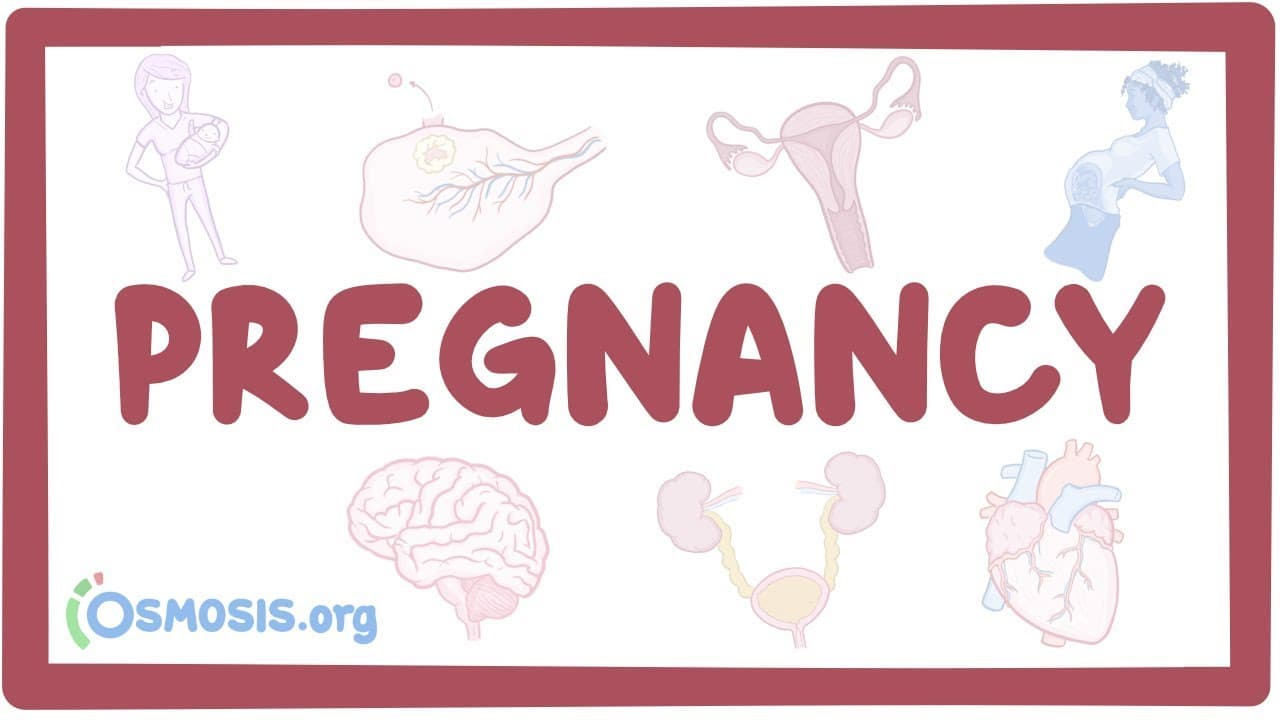
Pregnancy leads to a variety of physiological changes in the body, including hormonal fluctuations, growth of the uterus, cardiovascular changes, respiratory changes, and gastrointestinal changes.
Transcript
On our YouTube channel, you'll find a limited selection of pathology and patient videos With osmosis prime you'll get access to over 700 videos Including complete coverage of pathology and physiology and a growing collection of pharmacology and clinical reasoning topics Try it free today Pregnancy is an amazing process that affects almost every bod... Read More
Key Insights
- 📺 Limited selection of pathology and patient videos available on YouTube channel.
- 📚 Osmosis Prime provides access to over 700 videos including pathology, physiology, pharmacology, and clinical reasoning topics.
- 🤰 Pregnancy affects almost every body system, with estrogen and progesterone levels rising and causing various changes.
- 🥚 Ovulation marks the beginning of the pregnancy process, with the egg getting ejected and the corpus luteum producing hormones.
- 🤝 Fertilization of the egg typically occurs within 12 to 24 hours, leading to the formation of a zygote.
- 🏥 Blastocyst floats in the uterus for a day before implanting, with trophoblast cells burrowing into the endometrium.
- 🌟 Human chorionic gonadotropin (HCG) is produced by trophoblast cells, signaling successful implantation and sustaining estrogen and progesterone production.
- 🤰 Pregnancy lasts around 40 weeks, but from the day of ovulation, it is approximately 38 weeks. Multiple physiological changes occur during pregnancy, including increased blood volume and changes in the respiratory and gastrointestinal systems.
Install to Summarize YouTube Videos and Get Transcripts
Explore YouTube Video Summarizer or Get YouTube Transcript Extractor
Questions & Answers
Q: How does HCG impact pregnancy?
HCG plays a vital role in pregnancy by signaling the corpus luteum to continue producing estrogen and progesterone, which are necessary for maintaining the pregnancy. It also serves as the hormone detected by pregnancy tests.
Q: Why does the blood pressure fall during pregnancy?
Despite more blood being pumped through the body, the blood pressure actually tends to fall during pregnancy. This is due to the dilation of blood vessels caused by progesterone.
Q: What are some common gastrointestinal changes during pregnancy?
Hormonal changes during pregnancy can lead to decreased peristalsis and smooth muscle relaxation in the gastrointestinal tract. These changes can result in constipation, bloating, and increased risk of gastric reflux and heartburn.
Q: How do the lungs adapt during pregnancy?
As the uterus pushes upward on the diaphragm, pregnant women may experience difficulty breathing. However, compensatory changes caused by progesterone, such as relaxing thoracic ligaments, increase the capacity of the ribcage, allowing for greater lung volumes and enhanced gas exchange.
Q: What are some changes in the breasts during pregnancy?
The breasts undergo development and increase in size due to the effects of estrogen and progesterone. Prolactin levels also rise, preparing the breasts for milk production after the baby is born. The areola may darken, and a noticeable dark line called the Linea nigra may appear on the abdomen.
Q: Why do pregnant women experience urinary frequency?
The increased blood volume and pressure on the bladder from the growing uterus lead to increased urinary output and urinary frequency. The kidneys also undergo changes in size and function during pregnancy, contributing to these changes.
Q: How does pregnancy affect the thyroid gland?
Pregnancy causes the thyroid gland to produce more thyroid hormone, increasing the metabolic rate to meet the needs of the developing fetus. This is why pregnant women may have higher basal metabolic rates.
Q: What are the effects of pregnancy on blood clotting?
Estrogen increases plasma fibrinogen, coagulation factors, and platelet aggregation, promoting blood clotting. At the same time, it decreases the activity of antithrombin 3, an inhibitor of coagulation. This hypercoagulable state reduces the risk of bleeding after delivery but increases the risk of venous thromboembolism.
Summary & Key Takeaways
-
Ovulation and fertilization mark the beginning of pregnancy, leading to the production of estrogen and progesterone.
-
The blastocyst implants into the endometrium, and human chorionic gonadotropin (HCG) is produced, which supports the corpus luteum in producing hormones.
-
Throughout pregnancy, the body undergoes changes in the cardiovascular, respiratory, gastrointestinal, and other systems to accommodate the needs of the growing fetus.
Read in Other Languages (beta)
Share This Summary 📚
Summarize YouTube Videos and Get Video Transcripts with 1-Click
Try YouTube Summary with ChatGPT & Claude or YouTube Transcript Generator
Explore More Summaries from Osmosis from Elsevier 📚

Summarize YouTube Videos and Get Video Transcripts with 1-Click
Try YouTube Summary with ChatGPT & Claude or YouTube Transcript Generator