What Are 10 Surprising Facts About the NES?
TL;DR
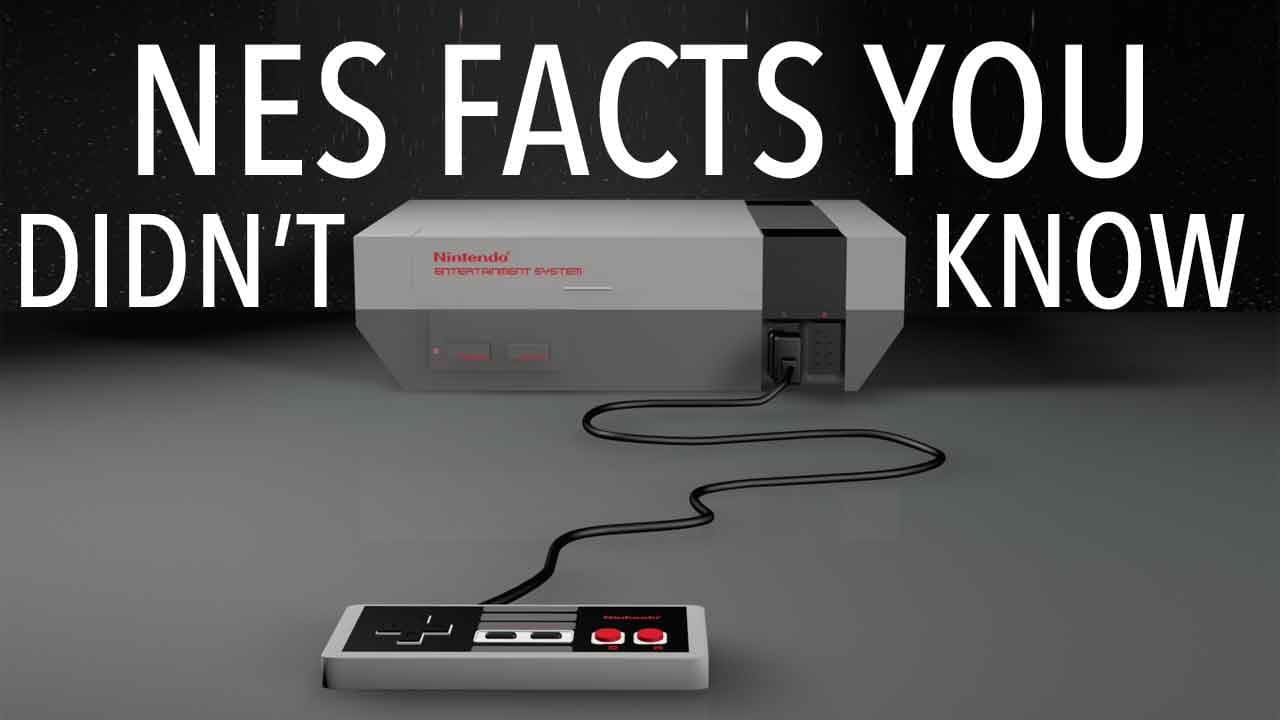
The Nintendo Entertainment System revolutionized gaming with features like Castlevania 2's multiple endings and a unique handsfree controller for disabled players. Other fun facts include the NES's oversized Dragon Quest 4 and an innovative light gun that worked through detecting screen flashes. The console offered a rich history, pushing gaming boundaries and paving the way for future innovations.
Transcript
game ranks presents 10 Nintendo Entertainment System facts you probably didn't know there were home game consoles before it but the NES really kickstarted at all so let's get talking about it starting off with number 10 the NES game Castlevania 2 Simon's Quest is credited as being the first game with multiple endings the game had three different en... Read More
Key Insights
- 👾 Multiple endings in games, pioneered by Castlevania 2, have become a common narrative feature, enhancing player engagement.
- 👰♀️ The idea of riding Yoshi was ahead of its time but could not be realized due to NES hardware constraints.
- 👾 Japan's Holy Diver game offers a glimpse into unique gaming concepts that remained exclusive and unrecognized in Western markets.
- 🎮 The NES's handsfree controller was a revolutionary step towards inclusivity in gaming accessibility.
- 👾 The size of Dragon Quest 4 highlighted the evolving capabilities of game design and memory utilization during that era.
- 🙂 The NES light gun's innovative mechanics showcased early advancements in gaming technology, though now obsolete.
- 🍉 Nintendo's long-term support for NES consoles through a helpline contributed to the usability and longevity of the platform.
Install to Summarize YouTube Videos and Get Transcripts
Explore YouTube Video Summarizer or Get YouTube Transcript Extractor
Questions & Answers
Q: What significant innovation did Castlevania 2 Simon's Quest bring to gaming?
Castlevania 2 Simon's Quest is credited with being the first game to feature multiple endings, which varied based on the player's completion time. This concept of rewarding players with different outcomes based on performance has influenced countless subsequent games, setting a precedent in the gaming industry for narrative depth and player engagement.
Q: Why was Yoshi not featured in the NES Mario games?
Yoshi was originally conceived to accompany Mario in the NES series, but due to the hardware limitations of the time, this idea could not be realized. Nintendo ultimately waited for the Super Nintendo to introduce Yoshi, leading to a more polished and enjoyable gameplay experience, particularly in titles like Super Mario World where Yoshi's mechanics were fully realized.
Q: What was unique about the NES version of Holy Diver?
Holy Diver, a Japan-exclusive NES game, starred iconic heavy metal figures, including guitarist Randy Rhoads and vocalist Ronnie James Dio. The game was known for its challenging gameplay and numerous boss battles, likened to a heavy metal-inspired version of Castlevania, but unfortunately, it never reached Western markets, leaving many to wonder what they missed.
Q: How did Nintendo support its NES consoles after they were released?
Nintendo provided extensive support for NES consoles through a helpline that offered assistance for over 24 years, only ceasing operations in 2007. This commitment to customer service helped maintain a loyal fan base and kept many NES consoles operational long after their initial release, illustrating Nintendo's dedication to their products and customers.
Q: What was the size of Dragon Quest 4, and why was it significant?
Dragon Quest 4 was groundbreaking for its time, occupying a massive 1 Megabyte of storage space, which was unprecedented compared to most NES games that averaged between 128 and 384 kilobytes. This achievement showcased the potential for larger, more complex games, paving the way for future titles with more intricate designs and narratives.
Q: What was the Nintendo light gun's technology, and why was it limited?
The light gun packaged with Duck Hunt operated by detecting light flashes on the screen, working only with CRT monitors. When the trigger was pulled, the console displayed frames in quick succession that allowed it to determine where the gun was pointed. Unfortunately, due to this technology, it became incompatible with modern display technologies, limiting its use today.
Q: How did the NES incorporate accessibility features?
The NES featured a unique handsfree controller released in 1989, designed for players with disabilities. Instead of traditional buttons, the controller responded to blowing and sucking, alongside a mouth-operated joystick. This innovative design reflected a commitment to inclusivity in gaming long before accessibility became a widespread industry focus.
Q: What was the purpose of the NES lockout system?
The NES lockout system acted as a form of digital rights management, ensuring that only licensed software could be played on the console, requiring games to have Nintendo's approval and adhere to strict quality standards. This system was developed to prevent unauthorized third-party games, maintaining the integrity of the NES library and protecting against the market saturation seen with Atari.
Summary & Key Takeaways
-
The NES game Castlevania 2 Simon's Quest introduced multiple endings based on completion time, influencing many subsequent games.
-
Nintendo's attempt to introduce Yoshi in NES titles was hindered by hardware limitations, delaying his introduction until the Super Nintendo era.
-
The NES had a unique handsfree controller for disabled players that worked through blowing and sucking, showcasing early inclusivity in gaming.
Read in Other Languages (beta)
Share This Summary 📚
Summarize YouTube Videos and Get Video Transcripts with 1-Click
Try YouTube Summary with ChatGPT & Claude or YouTube Transcript Generator
Explore More Summaries from gameranx 📚


Summarize YouTube Videos and Get Video Transcripts with 1-Click
Try YouTube Summary with ChatGPT & Claude or YouTube Transcript Generator