What Are the Most Important Apostles in Berserk?
TL;DR
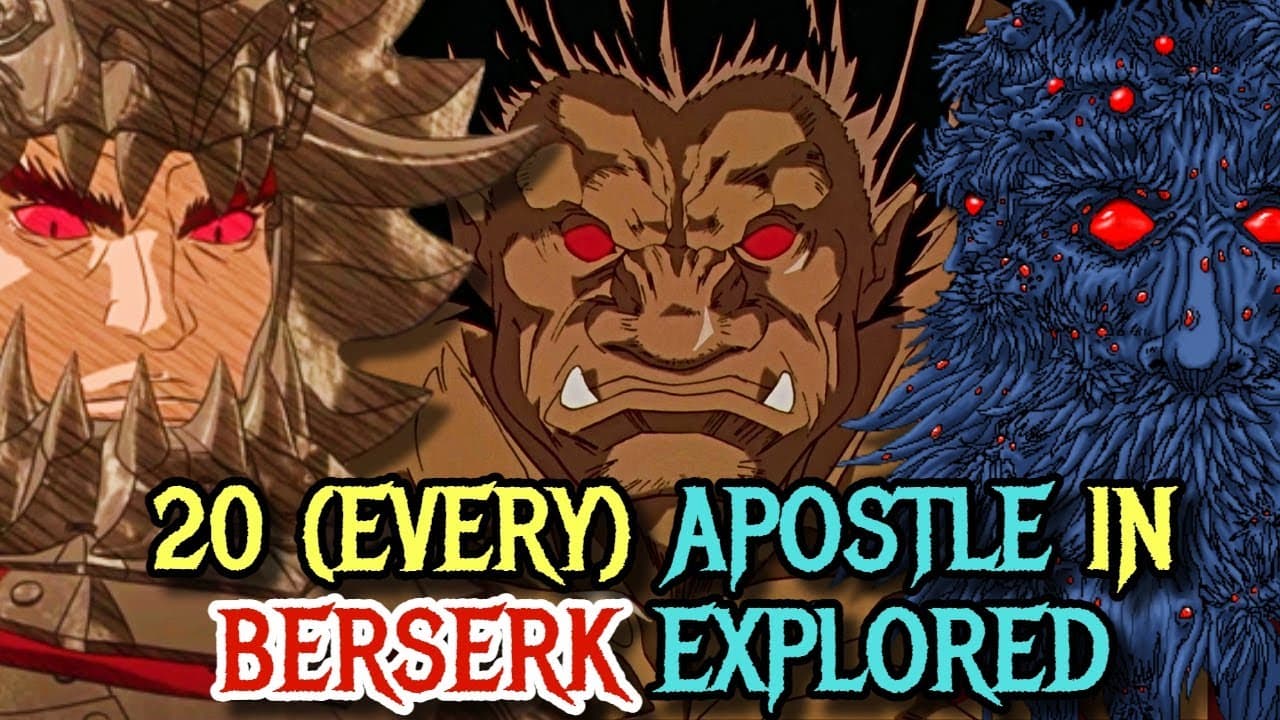
The video ranks 20 key Apostles and pseudo Apostles in Berserk based on their impact on the story. Major characters like Nosferatu Zod and the Slug Count illustrate complex themes of power, morality, and sacrifice, significantly shaping protagonist Guts's journey and the narrative's overarching conflict.
Transcript
as much as berserk as the story of guts Griffith kaska and everyone in their lives it would not be half as effective if it did not have the apostles in it these demonic entities who used to be human at one point in their lives are what have come to Define gutz's war against the Inhumans as his primary victims from the first page of the Black Swords... Read More
Key Insights
- 🧑🏭 Apostles significantly define the conflict in Berserk, acting as physical embodiments of Guts's internal struggles and moral dilemmas.
- 💯 Each Apostle's backstory typically mirrors the core themes of despair, sacrifice, and the consequences of one’s actions within the narrative.
- ✊ The relationships between Apostles and their human counterparts raise questions about morality, loyalty, and the role of power in shaping an individual's destiny.
- ✊ Pseudo Apostles add a layer of complexity by illustrating the power dynamics among demons, highlighting themes of control and dependency.
- 😨 The evolution of characters like the Slug Count and Nosferatu Zod emphasizes the multifaceted nature of humanity, revealing that even monsters can evoke compassion or fear.
- ✊ Griffith's ascension to the God Hand alters the landscape of power in Berserk, creating a unique hierarchy that influences the motivations of various Apostles.
- 🦧 Encounters with Apostles often serve as a catalyst for character development, particularly for Guts, affecting his worldview and emotional resilience.
Install to Summarize YouTube Videos and Get Transcripts
Explore YouTube Video Summarizer or Get YouTube Transcript Extractor
Questions & Answers
Q: What role do Apostles play in Guts' journey throughout Berserk?
Apostles serve as formidable antagonists in Guts' quest for vengeance against inhuman forces. Their presence fuels the narrative's dark undertones, as Guts often battles personal demons alongside literal ones. Each Apostle embodies various human flaws and traumas, which allow readers to explore deeper themes of despair and retribution reflected in Guts' character evolution.
Q: Who is Nosferatu Zod, and why is he significant to the story?
Nosferatu Zod is one of the most powerful and ancient Apostles in Berserk, heavily influencing the plot through his confrontation with Guts and interactions with the God Hand. Zod's desire for a worthy battle shapes his character as an eternal warrior who respects strength and challenges, making him a pivotal figure in showcasing Guts' growth and tenacity against overwhelming odds.
Q: What distinguishes pseudo Apostles from regular Apostles in Berserk?
Pseudo Apostles are beings that gain power from existing Apostles without undergoing the transformation process themselves. Typically more susceptible to the controlling will of their progenitor, pseudo Apostles, like Zondark and Mosgus, illustrate the varying degrees of evil and manipulation seen throughout the series, highlighting the diverse manifestations of despair among Humankind.
Q: How does the Slug Count's backstory reflect on themes of moral complexity in Berserk?
The Slug Count’s transformation from a devout ruler to a ravenous Apostle captures the duality of human nature—one can embody both virtue and vice. His tragic backstory reveals how despair and loss can lead to monstrous actions, reflecting the darker implications of zealous beliefs and the fragile line between good and evil present throughout Berserk’s narrative.
Q: What makes Griffith's Apostles unique in the context of the story?
Griffith's Apostles represent a unique alliance between humans and demons in Berserk, emphasizing themes of power dynamics and manipulation. These characters, drawn to Griffith's vision, grapple with their inherent nature as inhuman entities while trying to navigate their relationships, loyalties, and the ensuing conflicts as Guts and others challenge their existence.
Q: Why do characters like Rosine and Wild resonate so deeply with readers?
Rosine and Wild highlight the tragic side of Apostles, showcasing how despair can manifest in various forms. Rosine’s evolution from an abused child to a terrifying Apostle symbolizes the loss of innocence, while Wild embodies unchecked primal instincts. Their backstories provoke empathy and horror, engaging readers with the complex emotional landscape of Berserk.
Summary & Key Takeaways
-
The video explores the significance of Apostles and pseudo Apostles in Berserk, detailing their role in shaping the story and influencing protagonist Guts.
-
Key figures like Nosferatu Zod and Griffith's reborn band are highlighted, showing the complex dynamics between humans and Apostles, emphasizing themes of power and despair.
-
The ranking is based on the measured impact these characters have on the overarching narrative, making their stories crucial to the reader's understanding of Berserk's dark world.
Read in Other Languages (beta)
Share This Summary 📚
Summarize YouTube Videos and Get Video Transcripts with 1-Click
Try YouTube Summary with ChatGPT & Claude or YouTube Transcript Generator
Explore More Summaries from Marvelous Videos 📚





Summarize YouTube Videos and Get Video Transcripts with 1-Click
Try YouTube Summary with ChatGPT & Claude or YouTube Transcript Generator