Four Reasons Our Brains Suck At Pandemics
TL;DR
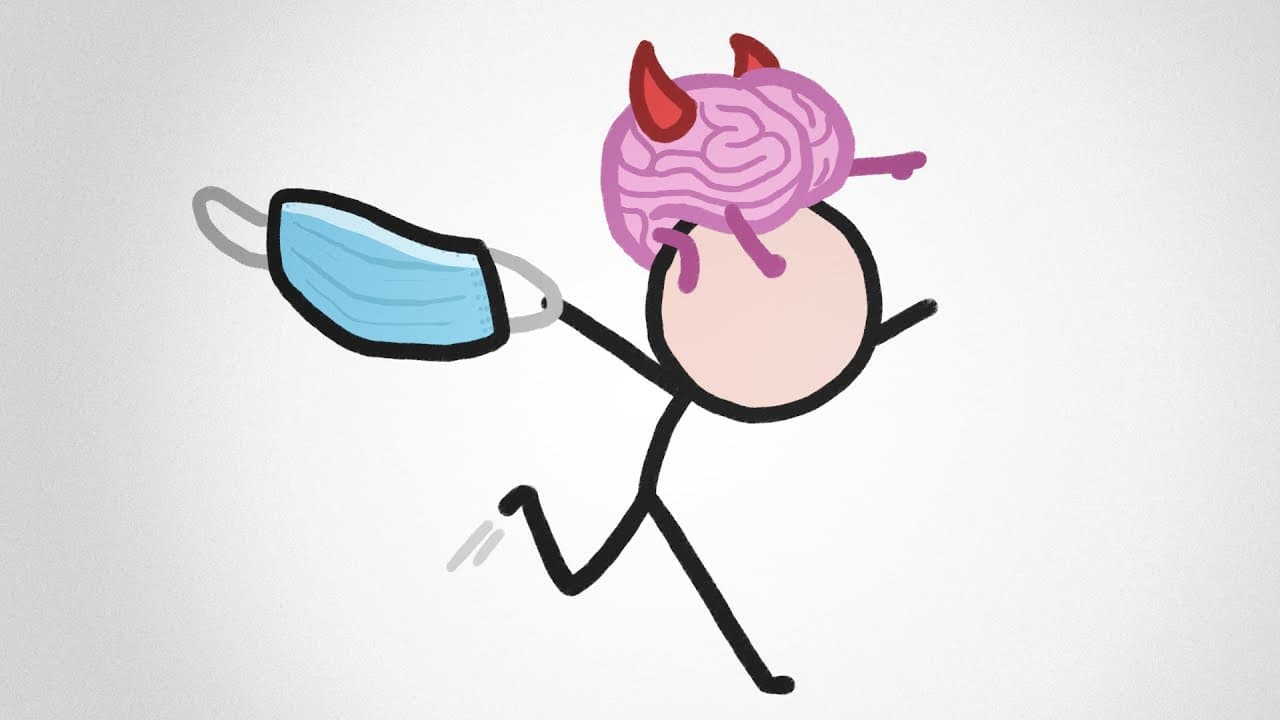
Our cognitive biases, such as underestimating the spread of diseases, underestimating personal risk, prioritizing instant gratification, and rebelling against rules, have worsened the COVID-19 pandemic.
Transcript
Hi this is David from MinuteEarth in a special collaboration with Bill and Melinda Gates. The human brain is a frustrating thing. On the one hand, it has the analytical power to do the science to develop the tests and treatments and vaccines we need to stop COVID. On the other hand, it’s often irrational and makes us think and act in ways that help... Read More
Key Insights
- 💄 Humans tend to underestimate the exponential spread of diseases, making it challenging to convince them to take necessary precautions.
- 🥺 Optimistic biases cause individuals to underestimate their personal risk of getting infected, leading to the rapid spread of the virus.
- 🧠 The brain's preference for immediate gratification often overrides the need for long-term pandemic prevention efforts.
- 📏 Defiance against rules and authoritative advice contributes to the spread of misinformation and hampers pandemic response.
- 🆘 Regular reporting and positive reinforcement can help combat cognitive biases and encourage adherence to preventive measures.
- 💌 Bill and Melinda Gates discuss important global challenges in their annual letter, emphasizing the interconnectedness in combating pandemics.
- 🎓 Equitable vaccine distribution and investment in education are crucial in mitigating the fallout from the current pandemic.
Install to Summarize YouTube Videos and Get Transcripts
Explore YouTube Video Summarizer or Get YouTube Transcript Extractor
Questions & Answers
Q: How do humans underestimate the spread of diseases like COVID-19?
Humans tend to assume linear growth rather than exponential growth, leading to an underestimation of how quickly infections can spread.
Q: Why do people underestimate their personal risk of getting infected?
Optimistic biases, influenced by our nature as optimists, make individuals believe they are less likely than average to get infected, causing them to underestimate their risk.
Q: How does the desire for instant gratification hinder pandemic prevention efforts?
The brain's preference for immediate pleasure over long-term benefits leads individuals to justify doing what they want, even if it goes against pandemic precautions.
Q: Why do people rebel against rules and authoritative advice?
Being told what not to do triggers a primitive threat response in our brains, leading to defiance. This effect is more pronounced in individualistic cultures where personal freedom is highly valued.
Summary & Key Takeaways
-
The human brain has the power to develop tests and vaccines, but it is also irrational and contributes to the spread of the virus.
-
Humans tend to underestimate the exponential spread of diseases like COVID-19, leading to a lack of precautionary measures.
-
Optimistic biases cause individuals to underestimate their risk of getting infected, leading to the spread of the virus.
-
The desire for instant gratification often outweighs the need for temporary inconveniences, hindering pandemic prevention efforts.
-
People rebel against rules and authoritative advice, leading to the spread of dangerous misinformation.
Read in Other Languages (beta)
Share This Summary 📚
Summarize YouTube Videos and Get Video Transcripts with 1-Click
Try YouTube Summary with ChatGPT & Claude or YouTube Transcript Generator
Explore More Summaries from MinuteEarth 📚


Summarize YouTube Videos and Get Video Transcripts with 1-Click
Try YouTube Summary with ChatGPT & Claude or YouTube Transcript Generator