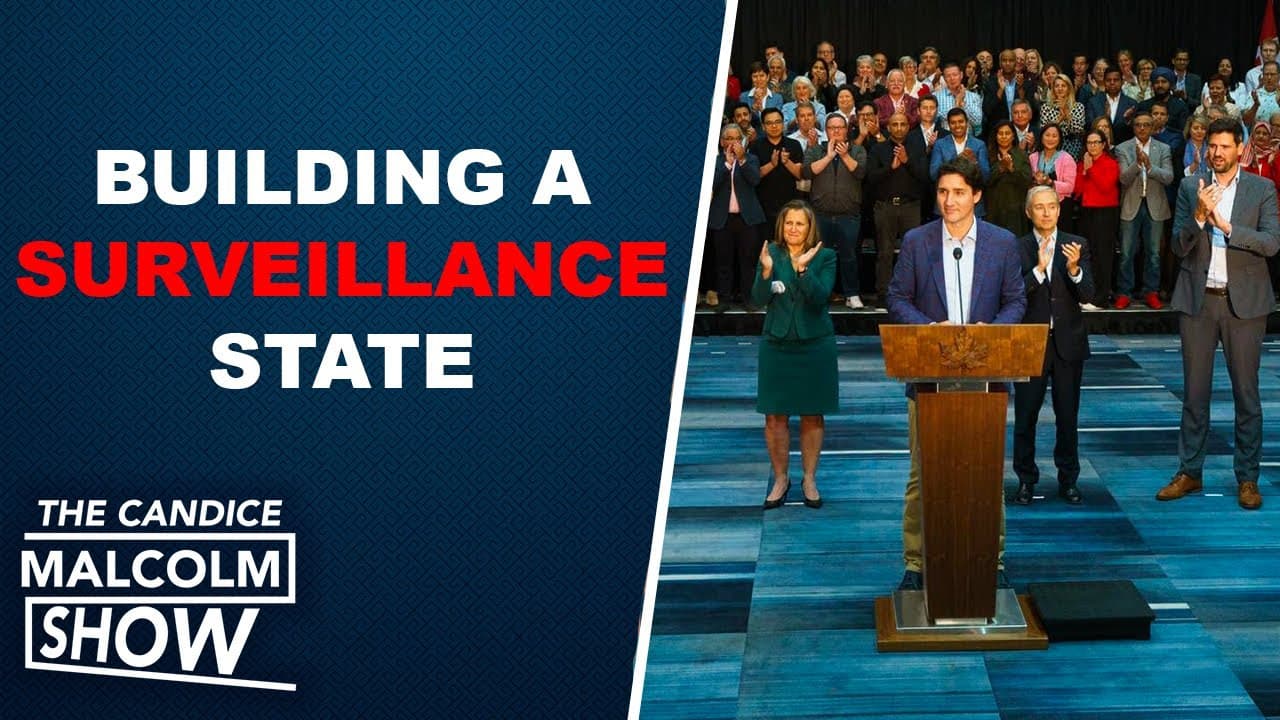
Trudeau and the media are building a SURVEILLANCE STATE
TL;DR
Trudeau's censorship bill threatens free speech under the guise of child protection.
Transcript
Justin Trudeau's new online harm spill is the biggest threat to freedom of speech in this country it introduces nothing short of a surveillance State replete with snitch lines kangaroo courts and mass censorship but rather than sounding the alarm Bell the Legacy Media in Canada is doing the prime minister's Dirty Work and smearing the opposition it... Read More
Key Insights
- ✊ Bill C63 combines child protection measures with severe restrictions on freedom of expression, raising alarms about potential abuses of power.
- 😯 The vagueness of terms like "hate speech" and "advocating genocide" within the bill leaves room for arbitrary enforcement and interpretation.
- 🗯️ Powerful civil liberties organizations have united to oppose Bill C63, indicating widespread concern over its implications for democracy and rights.
- 🎁 Mainstream media narratives surrounding the bill tend to align with government messaging, downplaying serious concerns and presenting a skewed perspective.
- 🤫 Critics argue that legislation under the guise of child protection often masks deeper motives, such as silencing dissent and consolidating governmental control.
- 🎱 The bill might inhibit journalistic freedom by introducing legal repercussions for reporting that challenges governmental narratives or exposes wrongdoing.
- 😯 Surveillance measures included in the bill could infringe upon the digital privacy of all Canadians, not just those accused of harmful speech.
Install to Summarize YouTube Videos and Get Transcripts
Explore YouTube Video Summarizer or Get YouTube Transcript Extractor
Questions & Answers
Q: What is the main purpose of Bill C63?
Bill C63, introduced by Justin Trudeau's government, aims to combat online harms, primarily focusing on protecting children from sexual exploitation. However, the bill also targets hate speech, potentially leading to severe penalties for those expressing dissenting opinions online, raising concerns about free speech violations.
Q: Why are civil liberties organizations opposing Bill C63?
Civil liberties organizations, including the Canadian Civil Liberties Association, oppose Bill C63 due to its broad authority granted to a newly established body to interpret and enforce the law without accountability. The worry is that this could infringe on democratic rights, privacy, and freedom of expression.
Q: How does the bill potentially threaten journalistic reporting?
Critics, including the Canadian Constitution Foundation, argue that Bill C63 could severely inhibit journalistic reporting by introducing censorship of news content under the vague definitions of harmful speech, discouraging investigative journalism and critical reporting on government actions.
Q: What are some major penalties included in the bill?
Bill C63 includes fines as steep as $70,000 and potential life imprisonment for speech-related offenses, specifically targeting vague categorizations like "advocating genocide." This has raised alarms regarding the chilling effect it could have on free expression in Canada.
Q: How has the media reacted to the introduction of Bill C63?
The media has largely framed the narrative of Bill C63 as a child protection measure, aligning with the government’s messaging. Many outlets have focused on the bill's intent to safeguard minors without critically addressing the implications for free speech and civil liberties.
Q: What did legal experts say regarding the structure of Bill C63?
Legal experts have criticized Bill C63 for encompassing multiple legislative functions without clear distinctions. They argue for a split in the bill to allow for appropriate public debate on online harms and expression rights, as the current structure hinders thorough legislative scrutiny.
Q: How are dissenting opinions treated under Bill C63?
Under Bill C63, dissenting opinions expressing criticism or alternative views could be categorized as harmful or hateful speech, leading to penalties. Critics argue this creates an atmosphere of fear where individuals might self-censor to avoid severe punishments.
Q: What is the broader concern relating to government surveillance with this bill?
The bill is considered a step toward establishing a surveillance state in Canada, as it allows government authorities significant powers to monitor and control online communications, undermining individual privacy rights and creating a framework for systemic censorship.
Summary & Key Takeaways
-
Bill C63, introduced by the Canadian government, aims to combat online harms while imposing severe penalties for online expressions deemed harmful or hateful, risking democratic accountability.
-
The bill has faced criticism from civil liberties organizations and law experts who argue it paves the way for mass censorship and undermines individual privacy rights by creating a surveillance state.
-
The media coverage surrounding the bill consistently highlights child safety, diverting public attention from its more contentious aspects relating to free speech and expression.
Read in Other Languages (beta)
Share This Summary 📚
Summarize YouTube Videos and Get Video Transcripts with 1-Click
Try YouTube Summary with ChatGPT & Claude or YouTube Transcript Generator
Explore More Summaries from True North 📚



Summarize YouTube Videos and Get Video Transcripts with 1-Click
Try YouTube Summary with ChatGPT & Claude or YouTube Transcript Generator