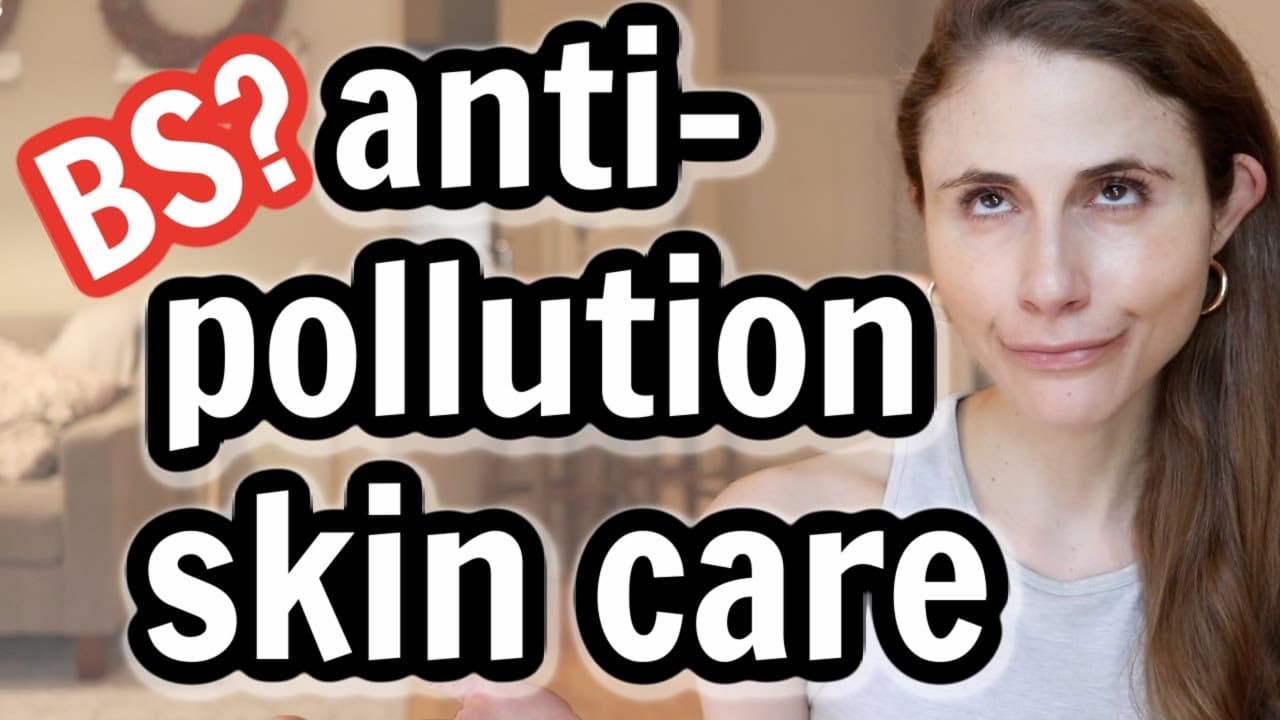
Is ANTI-POLLUTION SKIN CARE A GIMMICK?| DR DRAY
TL;DR
Skincare products claiming to protect against pollution are not yet scientifically proven, but lifestyle factors and a balanced diet can help mitigate the damage caused by pollutants.
Transcript
well hey guys in today's video i'm going to be talking all about the skincare claim of anti-pollution is there any truth to the idea that skin care products can protect you from pollution and why would you need your skin care products to protect you from pollution pollutants do in fact reach the skin not only at the top of the skin but also the dee... Read More
Key Insights
- 🧑⚕️ Pollution can have detrimental effects on skin health, including collagen destruction and immune system suppression.
- ✋ Living in areas with high pollution levels is associated with increased signs of skin aging, acne, and worsened eczema symptoms.
- 🥺 The skin microbiome is negatively affected by pollution, leading to a decrease in microflora abundance.
- 🥶 Skincare products with anti-pollution claims are not yet scientifically proven, but antioxidants may help combat the free radicals generated by pollutants.
Install to Summarize YouTube Videos and Get Transcripts
Explore YouTube Video Summarizer or Get YouTube Transcript Extractor
Questions & Answers
Q: Can skincare products effectively protect the skin from pollution?
Currently, there is no substantiated evidence that skincare products can fully protect the skin from pollution. However, products with antioxidants may help combat the free radicals generated by pollutants.
Q: What are the consequences of pollution on the skin?
Pollution can lead to the destruction of collagen, suppression of the immune system, increased levels of oxidized squalane (associated with acne), and worsened symptoms of eczema. It can also negatively impact the skin microbiome and increase the risk of skin cancer.
Q: How can a balanced diet help protect the skin from pollution?
Consuming fruits and vegetables rich in antioxidants can boost overall antioxidant levels in the skin, making it better equipped to handle free radical damage caused by pollution. Green tea, such as Peak Tea's matcha, is also a good source of antioxidants.
Q: What steps can consumers take to protect their skin from pollution?
Consumers should wear broad-spectrum sunscreen, avoid prolonged sun exposure, cleanse their skin to remove pollutants, moisturize to support the skin barrier, and consume a balanced diet rich in antioxidants. However, current anti-pollution skincare claims are not yet backed by scientific evidence.
Summary & Key Takeaways
-
Pollution, both inhaled and on the skin, can lead to adverse effects on skin health, including the destruction of collagen and the suppression of the immune system.
-
Living in areas with high pollution levels has been associated with increased signs of skin aging and acne.
-
The skin microbiome is negatively affected by pollution, leading to a decrease in microflora abundance.
-
Skincare products with anti-pollution claims are currently unsupported by scientific evidence, but ingredients that have antioxidant properties may help combat the free radicals generated by pollutants.
-
Consumers can protect their skin from pollution by wearing sunscreen, maintaining a balanced diet rich in antioxidants, cleansing the skin, and using moisturizers to support the skin barrier.
Read in Other Languages (beta)
Share This Summary 📚
Summarize YouTube Videos and Get Video Transcripts with 1-Click
Try YouTube Summary with ChatGPT & Claude or YouTube Transcript Generator
Explore More Summaries from Dr Dray 📚


Summarize YouTube Videos and Get Video Transcripts with 1-Click
Try YouTube Summary with ChatGPT & Claude or YouTube Transcript Generator