Fashion Business 101
TL;DR
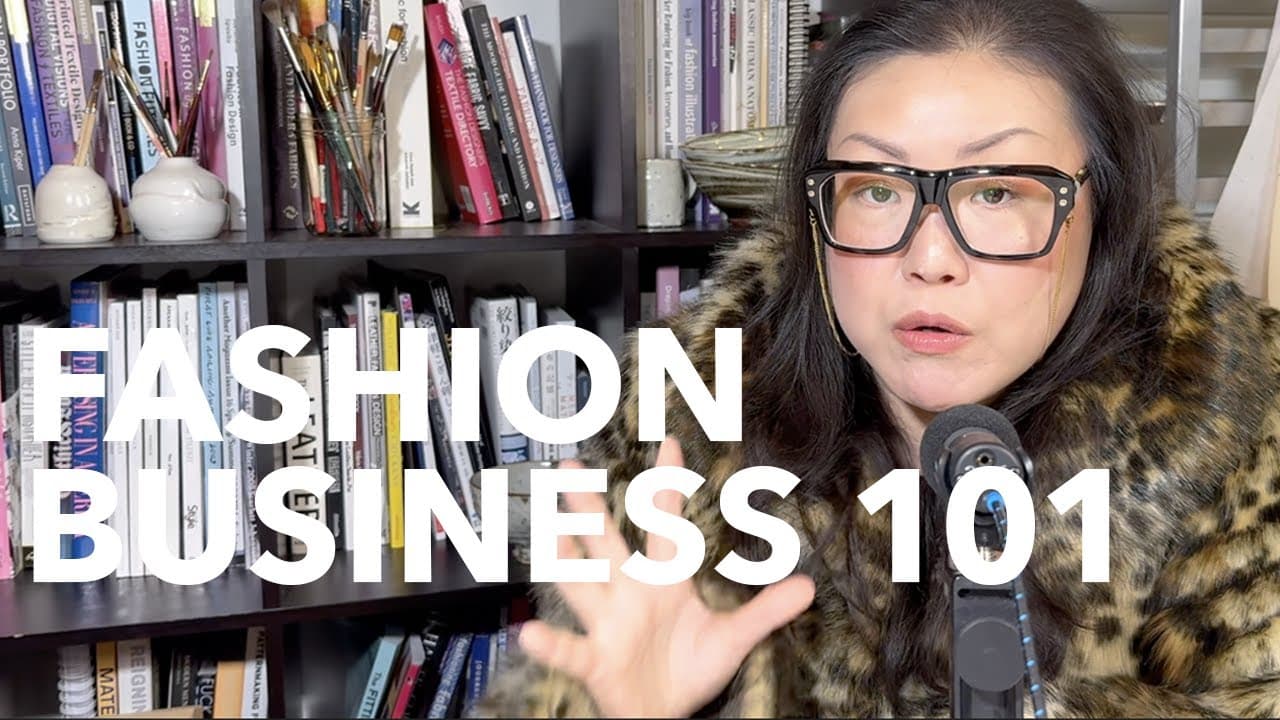
This video explores the pros and cons of wholesale and direct-to-consumer fashion businesses, as well as other topics such as push vs. pull manufacturing, sample sales, trunk shows, and crowdfunding.
Transcript
listen don't come after me not only is this coat vintage but I bought this at a vintage Expo before Stella McCartney even knew what sustainability was I just wear all the old things in my closet and there's this Tik Tok Trend where uh this woman started saying let's brag about how long we've had things and I'm so ready I just got to think of like o... Read More
Key Insights
- 👨💼 Wholesale fashion businesses benefit from marketing partnerships, less waste, and increased brand legitimacy through association with reputable retailers.
- 💨 Direct-to-consumer fashion businesses enjoy faster payments, control over image and pricing, and the ability to respond quickly to customer trends.
- 🫷 Pull manufacturing is more sustainable than push manufacturing, as it reduces excess inventory and waste.
- 💨 Sample sales provide a way for designers to clear excess inventory and prevent wastage.
- 🛀 Trunk shows offer opportunities for designers to interact directly with customers and generate sales.
- ❓ Crowdsourcing can be successful for fashion products or inventions but may not be effective for entire fashion collections.
- 👻 Private label collaborations allow retailers to have their own branded products without investing in the product development process.
Install to Summarize YouTube Videos and Get Transcripts
Explore YouTube Video Summarizer or Get YouTube Transcript Extractor
Questions & Answers
Q: What is the difference between a wholesale and direct-to-consumer fashion business?
A wholesale fashion business involves selling products in bulk to retail stores, while a direct-to-consumer fashion business involves selling directly to individual customers, either online or through brick-and-mortar stores owned by the designer.
Q: What are the advantages of wholesale fashion business?
Wholesale fashion businesses benefit from less waste, marketing partnerships with retailers, and increased brand legitimacy through association with reputable stores that carry their products.
Q: What are the advantages of direct-to-consumer fashion business?
Direct-to-consumer fashion businesses enjoy faster payments, control over image and pricing, and the ability to quickly respond to trends and customer preferences.
Q: What is push vs. pull manufacturing in the fashion industry?
Push manufacturing involves producing products based on what the designer believes the market will bear, while pull manufacturing involves producing products based on actual customer orders. Pull manufacturing is considered more sustainable as it reduces excess inventory.
Q: What are sample sales in the fashion industry?
Sample sales are events where designers sell excess samples and showroom pieces at a heavily discounted rate, allowing them to clear inventory and prevent wastage.
Q: What are trunk shows in the fashion industry?
Trunk shows are small events where designers interact directly with customers, allowing them to try on and purchase exclusive or pre-ordered pieces. Trunk shows can be hosted by stores or organized by the designer themselves.
Q: Can crowdfunding work for fashion businesses?
While fashion crowdfunding exists, it is often more successful for fashion products or inventions rather than entire collections. Crowdfunding can be used to generate pre-order sales or fund specific projects within a fashion business.
Q: What is private label in the fashion industry?
Private label refers to a collaboration between a designer and a retailer where the retailer sells products with their own label but produced by the designer. Private label can offer opportunities for customization and collaborations between brands.
Summary & Key Takeaways
-
The video discusses the difference between wholesale and direct-to-consumer fashion businesses, highlighting the benefits of each approach.
-
It explores the advantages of wholesale, such as less waste, access to marketing partners, and increased brand legitimacy.
-
It also covers the advantages of direct-to-consumer, including faster payments, control over image and pricing, and the ability to quickly respond to trends.
-
Other topics discussed in the video include push vs. pull manufacturing, sample sales, trunk shows, and the potential of crowdfunding in the fashion industry.
Read in Other Languages (beta)
Share This Summary 📚
Summarize YouTube Videos and Get Video Transcripts with 1-Click
Try YouTube Summary with ChatGPT & Claude or YouTube Transcript Generator
Explore More Summaries from Zoe Hong 📚
Summarize YouTube Videos and Get Video Transcripts with 1-Click
Try YouTube Summary with ChatGPT & Claude or YouTube Transcript Generator