How to Make Maple Syrup with Fenugreek Seeds
TL;DR
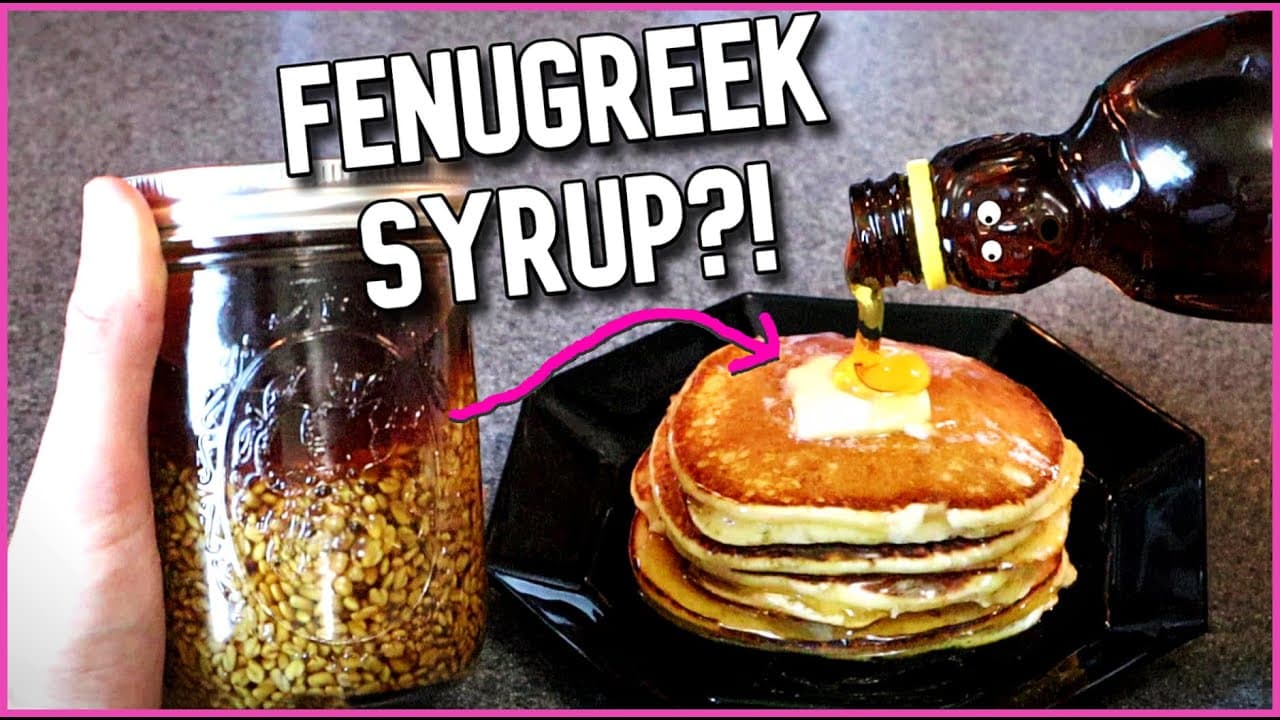
Fenugreek seeds can be used to create a maple syrup substitute due to a compound called sotolon, which mimics the scent of maple syrup. By soaking, drying, and toasting the seeds, and then making an extract, it's possible to produce a syrup with a maple-like flavor that can be used in various dishes.
Transcript
oh maple syrup what could be better than taking tree blood concentrating it down into a delicious goo and then pouring that goo onto pancakes not much the unfortunate thing though is that maple syrup is really really really expensive it takes 40 gallons of tree sap to produce just one gallon of maple syrup this guy cost me over 10 bucks just for a ... Read More
Key Insights
- Maple syrup is expensive because it takes 40 gallons of sap to make one gallon of syrup.
- Fenugreek seeds contain sotolon, a compound that smells like maple syrup.
- Fenugreek is popular in Indian, Middle Eastern, and African cuisines.
- Soaking fenugreek seeds helps leach out bitter compounds.
- Toasting fenugreek seeds enhances their maple-like aroma.
- Fenugreek extract can be made by soaking seeds in vodka.
- Homemade syrup from fenugreek can taste like maple syrup with a honey-like initial flavor.
- Adding vanilla extract to fenugreek syrup rounds out the maple flavor.
Install to Summarize YouTube Videos and Get Transcripts
Explore YouTube Video Summarizer or Get YouTube Transcript Extractor
Questions & Answers
Q: How do fenugreek seeds mimic maple syrup flavor?
Fenugreek seeds contain a compound called sotolon, which has a scent similar to maple syrup. When the seeds are soaked, toasted, and made into an extract, this compound can be harnessed to create a syrup with a maple-like flavor. The process involves leaching out bitter compounds and enhancing the desired aroma through toasting.
Q: What is the process to make fenugreek syrup?
To make fenugreek syrup, soak fenugreek seeds to remove bitterness, then dry and toast them to enhance their maple-like aroma. Create an extract by soaking the seeds in vodka. Finally, make a syrup by boiling sugar, water, and lemon, and mix in the fenugreek extract to achieve the desired maple flavor.
Q: Can fenugreek syrup taste like real maple syrup?
Fenugreek syrup can taste similar to maple syrup, especially after adding vanilla extract to round out the flavor. Initially, it may taste like honey, but a maple aftertaste develops. While it may not perfectly replicate real maple syrup, it offers a close approximation and is less sweet than corn syrup-based alternatives.
Q: What are the health considerations when using fenugreek?
Fenugreek can cause urine to smell like maple syrup due to the sotolon compound, which may lead to a false positive for maple syrup urine disease. Pregnant women should be cautious, as fenugreek is sometimes used to increase lactation, potentially causing concern during medical tests.
Q: Why is real maple syrup expensive?
Real maple syrup is expensive because it requires a significant amount of sap to produce. Specifically, 40 gallons of tree sap are needed to create just one gallon of syrup, making it labor-intensive and costly to produce.
Q: What is the role of vanilla extract in fenugreek syrup?
Vanilla extract is added to fenugreek syrup to help create a more authentic maple syrup flavor. It provides a syrup-like taste before the fenugreek's maple aftertaste develops, rounding out the overall flavor profile and enhancing the syrup's resemblance to real maple syrup.
Q: How does the homemade fenugreek syrup compare to commercial syrups?
Homemade fenugreek syrup offers a lighter, less sweet alternative to commercial corn syrup-based products. It has a honey-like initial flavor with a maple aftertaste, making it more similar to real maple syrup than the thick, overly sweet commercial alternatives.
Q: What are the culinary uses for fenugreek syrup?
Fenugreek syrup can be used as a maple syrup substitute in various dishes. It is suitable for sweetening pancakes, waffles, and other breakfast items. Additionally, it can be added to baked goods, teas, and coffees to impart a maple-like flavor without the high cost of real maple syrup.
Summary & Key Takeaways
-
Fenugreek seeds can mimic maple syrup flavor due to the compound sotolon. By soaking, toasting, and making an extract, a maple-like syrup can be created. The process involves making a syrup with sugar and water, then adding the fenugreek extract for flavor.
-
The homemade fenugreek syrup initially tastes like honey with a maple aftertaste. Adding vanilla extract helps create a more authentic maple syrup flavor. The syrup is less sweet than commercial corn syrup-based products, offering a lighter, more nuanced taste.
-
The video demonstrates the process of making fenugreek syrup, highlighting the importance of soaking and toasting the seeds. It concludes with a taste test comparing fenugreek syrup to real maple syrup and corn syrup-based alternatives, finding fenugreek syrup a close approximation.
Read in Other Languages (beta)
Share This Summary 📚
Summarize YouTube Videos and Get Video Transcripts with 1-Click
Try YouTube Summary with ChatGPT & Claude or YouTube Transcript Generator
Explore More Summaries from Weird Explorer 📚

Summarize YouTube Videos and Get Video Transcripts with 1-Click
Try YouTube Summary with ChatGPT & Claude or YouTube Transcript Generator