10 Video Game Villains WE FELT BAD FOR
TL;DR
An exploration of video game villains evoking sympathy despite their wrongdoings.
Transcript
in video game narratives we always know who we have to beat but it doesn't always feel good does it hi folks its Falcon and today on game ranks 10 game villains we felt bad for it just as a really quick disclaimer this is going to contain spoilers for all the games we're talking about so please understand and have ample warning spoiler alert starti... Read More
Key Insights
- 🎮 Many video game villains are crafted with backstories that evoke sympathy, making them relatable to players.
- 🫥 Motivations rooted in social justice, trauma, or personal sacrifice often blur the lines between good and evil in character narratives.
- 🧑⚕️ Mental health issues portrayed in villains can generate understanding and compassion, challenging stereotypes of villainy.
- 👻 The concept of morality in storytelling is not binary, allowing for complexity in character development and player engagement.
- 🫷 Understanding a villain's context can significantly alter player perceptions, pushing them to reconsider their initial judgments.
- 🫵 Many antagonists offer critiques of societal structures, presenting a nuanced view of conflict within the story.
- 🛟 Relationships and familial connections serve as powerful narrative tools, creating emotional stakes in villainous actions.
Install to Summarize YouTube Videos and Get Transcripts
Explore YouTube Video Summarizer or Get YouTube Transcript Extractor
Questions & Answers
Q: Why do we often feel sympathy for villains in video games?
Video game narratives frequently provide depth to antagonists, revealing complex motivations that often stem from trauma, societal pressures, or misguided intentions. This complexity forces players to confront the gray areas of morality, allowing for emotional connections with characters traditionally seen as evil.
Q: How does Letho from The Witcher exemplify this trend?
Letho, although a hired assassin, seeks equal treatment for witchers and believes his actions could result in a better future for his people. His good intentions juxtaposed with his morally corrupt methods elicit sympathy, as players can understand his plight despite the negative consequences of his decisions.
Q: What role does mental health play in villain narratives, such as Josh from Until Dawn?
Josh represents how mental illness can lead individuals down dark paths, yet he does not intend to harm others. His struggle articulates themes of isolation and pain, prompting audiences to empathize with his tragic choices, showcasing a complicated understanding of villainy driven by mental health issues.
Q: How does the character of Andrew Ryan in Bioshock challenge traditional villain archetypes?
Andrew Ryan's motivations stem from a desire for freedom and utopia; however, his vision leads to corruption and suffering. His tragic fall from an idealist to a power-hungry figure reveals the pitfalls of extreme ideology, allowing players to see the humanity behind his villainy.
Q: Can you explain the moral ambiguity of Kessler from Infamous?
Kessler's character illustrates the concept of a villain as a complex individual acting for a perceived greater good. His actions, driven by a desolate future, aim to prepare Cole for inevitable threats but involve morally questionable decisions, leaving players torn between villainy and justification.
Q: What is the significance of handsome Jack’s backstory in Borderlands 2?
Handsome Jack's abusive childhood and eventual rise to power provide context for his tyrannical behavior, highlighting the impact of upbringing on personality. By understanding his tragic past, players may feel pity for him, questioning whether his villainy is a result of his environment rather than inherent evil.
Q: How do characters like Shadow Lord in Nier engage players’ emotions?
Shadow Lord’s primary goal is to save his daughter, a deeply relatable and human motive that resonates with players. Despite his morally questionable actions, players can empathize with his desperate situation, illustrating how personal loss can lead individuals to make unimaginable choices.
Q: Why might players recognize the villainy of Logan in Fable III despite familial ties?
Logan, as the protagonist’s sibling, presents a unique emotional conflict for players. While his actions may harm many, his motivations reveal a reluctance to fulfill his difficult role as a ruler, complicating player feelings towards him and indicating the complex dynamics of power and responsibility.
Summary & Key Takeaways
-
The content delves into characters across various video games who are depicted as villains but possess motivations that allow for audience sympathy, offering a nuanced view of morality.
-
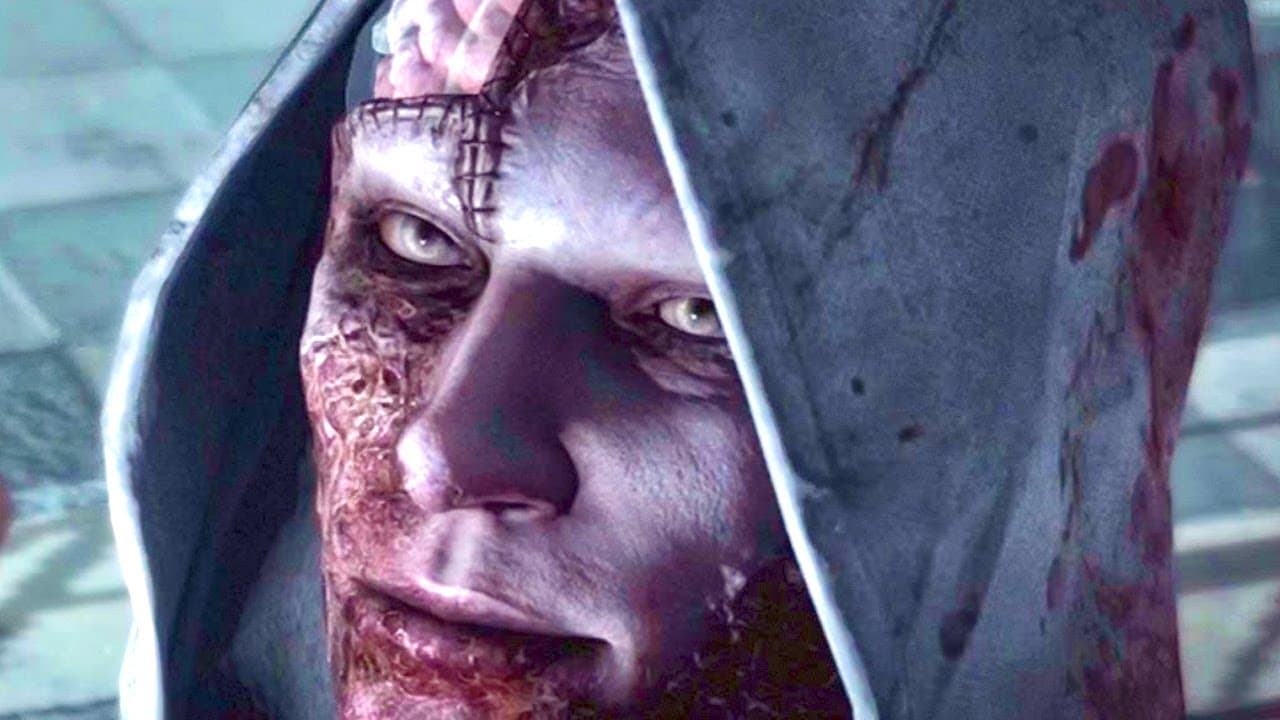
Each villain, from The Witcher’s Letho to The Evil Within’s Rubik, showcases complex backstories and intentions, making their actions relatable and understandable despite their immoral choices.
-
The discussion is enriched with detailed examples, covering the psychological and situational factors that shape these characters, ultimately challenging players' perceptions of traditional villainy.
Read in Other Languages (beta)
Share This Summary 📚
Summarize YouTube Videos and Get Video Transcripts with 1-Click
Try YouTube Summary with ChatGPT & Claude or YouTube Transcript Generator
Explore More Summaries from gameranx 📚
Summarize YouTube Videos and Get Video Transcripts with 1-Click
Try YouTube Summary with ChatGPT & Claude or YouTube Transcript Generator