How to Politely Remind Colleagues About Tasks
TL;DR
To politely remind colleagues about incomplete tasks, start with friendly phrases like 'Just wondering if you saw my last email.' If they don’t respond, gradually shift to more direct language, such as 'I wanted to remind you about...' or establish deadlines with 'Please could you finish this by...'. Adjust your approach based on workplace culture and escalate if necessary.
Transcript
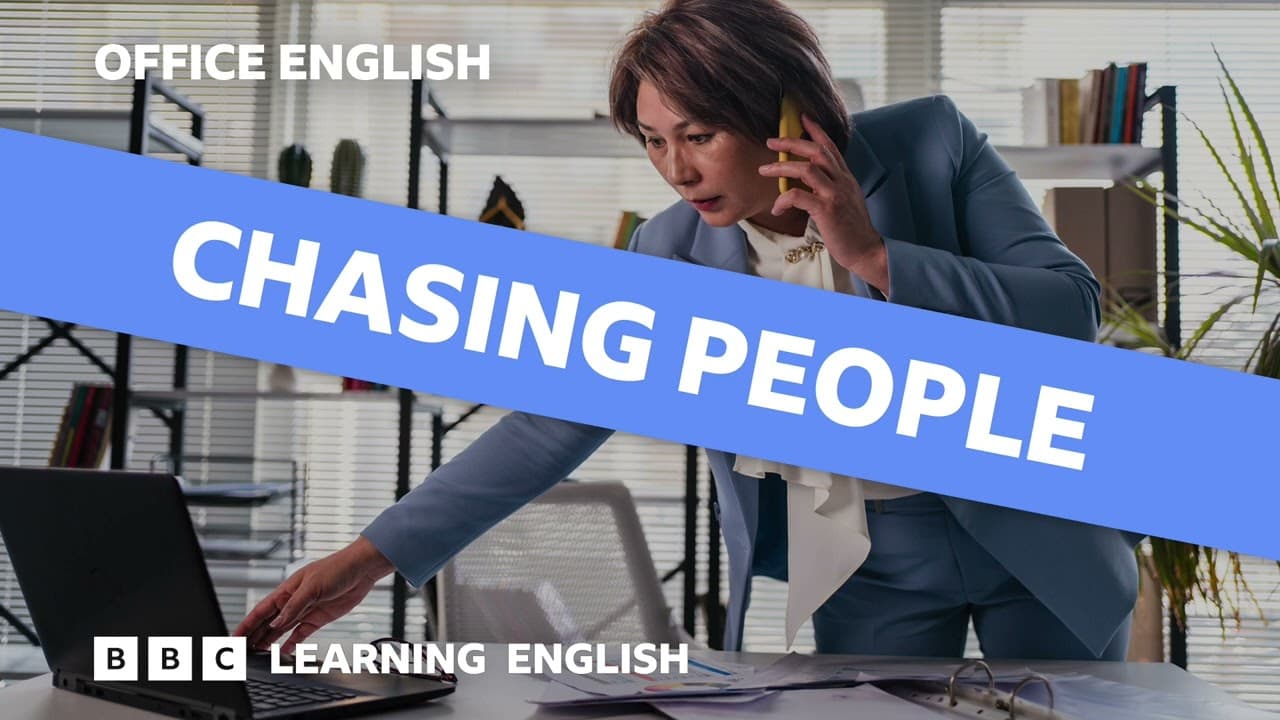
What happens when you ask someone to do something at work and they haven't done it? I feel OK about it and I always start really polite. But, obviously, if someone doesn't reply and then you need it and you have to chase them again and again. So when I have to chase people up at work I don't mind, because generally it's just something they've forgo... Read More
Key Insights
- Chasing people up at work involves reminding colleagues about tasks they haven't completed, often due to forgotten emails.
- In the UK, initial reminders are typically polite and indirect, reflecting a cultural emphasis on friendliness and respect.
- Phrases like 'Just wondering if you saw my last email' are common in first reminders to maintain politeness.
- As reminders become more urgent, language shifts to more direct phrases like 'I wanted to remind you about...' or 'Please could you finish this by...'.
- Escalating an issue by involving a manager or using more direct communication methods can be necessary if reminders are ignored.
- Understanding workplace culture is crucial, as some environments may require more direct communication from the start.
- Balancing friendliness and professionalism is key when reminding colleagues, especially those you work with regularly.
- Clear communication about deadlines and consequences helps ensure tasks are completed without resorting to threats.
Install to Summarize YouTube Videos and Get Transcripts
Explore YouTube Video Summarizer or Get YouTube Transcript Extractor
Questions & Answers
Q: What is meant by 'chasing people up' at work?
'Chasing people up' refers to the act of reminding colleagues about tasks they haven't completed. It involves following up with them through emails or direct communication to ensure tasks are completed, often because they may have forgotten or overlooked the initial request.
Q: How is politeness emphasized in UK workplace reminders?
In the UK, workplace reminders often start with polite, indirect phrases such as 'Just wondering if you saw my last email.' This reflects a cultural emphasis on maintaining friendliness and respect, even when reminding someone of a task they need to complete.
Q: What are some phrases used for initial polite reminders?
Initial polite reminders might include phrases like 'Just wondering if you saw my last email,' 'Have you had a chance to...', and 'If you are able to send it by next week, that would be great.' These phrases maintain a friendly tone while subtly reminding the recipient of the task.
Q: How does reminder language change as urgency increases?
As urgency increases, the language of reminders becomes more direct. Phrases like 'I wanted to remind you about...' and 'Please could you finish this by...' are used to clearly communicate the need for task completion, while still maintaining a level of politeness.
Q: What is 'escalating' a problem in a workplace context?
In a workplace context, 'escalating' a problem means involving someone more senior, such as a manager, to address an issue. This might involve copying a manager on an email to emphasize the importance of a task and to encourage a response from the person being reminded.
Q: Why is understanding workplace culture important for reminders?
Understanding workplace culture is crucial because it dictates the appropriate level of directness in communication. In some cultures, direct reminders might be acceptable from the start, while in others, a more polite and indirect approach is expected initially.
Q: What challenges arise when reminding regular colleagues?
Reminding regular colleagues can be challenging due to the need to balance friendliness with professionalism. It can be difficult to shift from a friendly tone to more direct language without straining the working relationship, especially if the reminders become frequent.
Q: How can clear communication aid in task completion?
Clear communication aids in task completion by setting explicit deadlines and outlining potential consequences if tasks are not completed. This helps ensure that the urgency and importance of the task are understood, reducing the likelihood of further delays or misunderstandings.
Summary & Key Takeaways
-
This episode of Office English teaches how to remind colleagues about incomplete tasks at work in a polite and professional manner. It focuses on balancing friendliness with the need to be business-like.
-
The podcast explains cultural differences in communication, particularly in the UK, where initial reminders are often indirect. As urgency increases, language shifts to more direct phrases.
-
Strategies for effective reminders include using polite language, escalating issues when necessary, and understanding workplace culture to determine the appropriate level of directness.
Read in Other Languages (beta)
Share This Summary 📚
Summarize YouTube Videos and Get Video Transcripts with 1-Click
Try YouTube Summary with ChatGPT & Claude or YouTube Transcript Generator
Explore More Summaries from BBC Learning English 📚

Summarize YouTube Videos and Get Video Transcripts with 1-Click
Try YouTube Summary with ChatGPT & Claude or YouTube Transcript Generator