How to Live a Healthy Life to Age 100
TL;DR
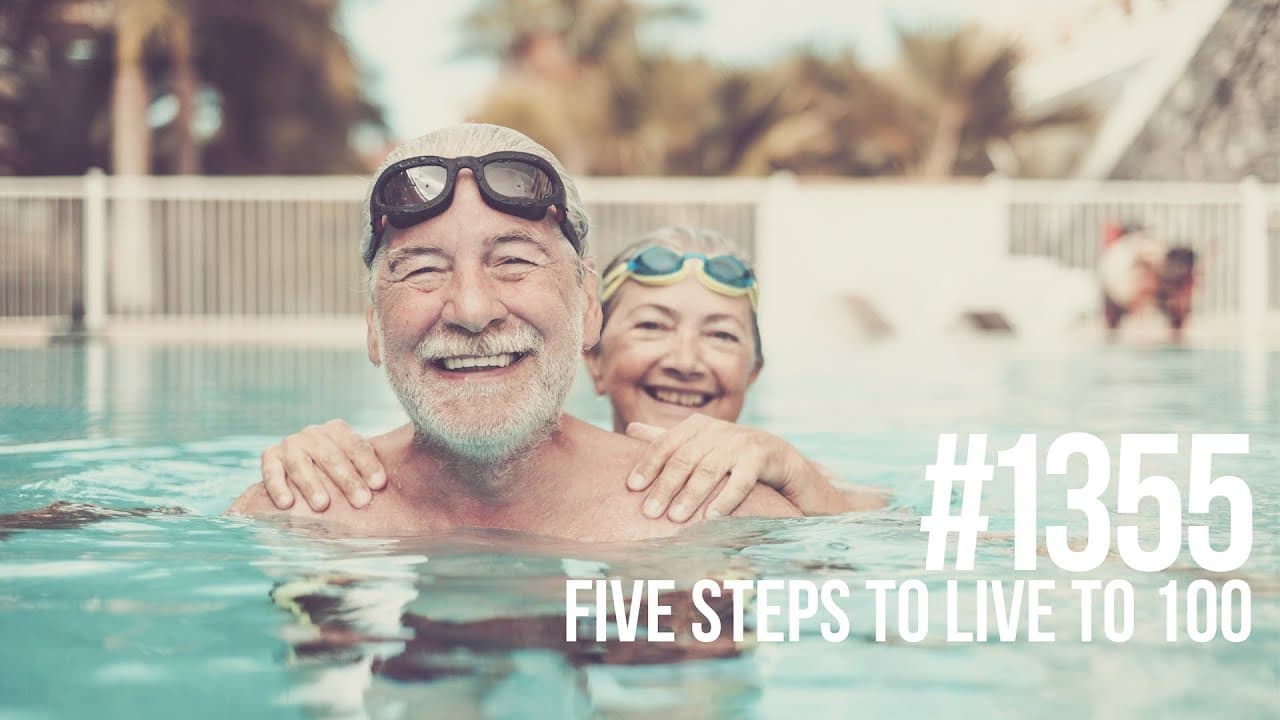
To live to 100 with vitality, focus on strength training, avoid overeating and processed foods, foster strong relationships, maintain a spiritual practice, and incorporate daily movement like walking. These practices not only increase lifespan but also enhance quality of life, ensuring you remain active, independent, and fulfilled as you age.
Transcript
i want to live to be at least a hundred years old yeah i'm with you on that man centenarian some people say they want to go out you know that some people say they want to go out at like 75 80. my uncle says that my uncle's like i want 15 more i'm out of here man i think it depends on your health and i think it depends on how you're going to how you... Read More
Key Insights
- Strength training is crucial for longevity, helping maintain muscle mass and bone density, which are vital for preventing falls and maintaining independence.
- Overeating and consuming heavily processed foods are linked to negative health outcomes. Limiting these can significantly improve health and longevity.
- Strong social relationships are associated with a 50% greater likelihood of survival compared to isolated individuals.
- A regular spiritual practice can provide meaning and purpose, contributing to a longer and healthier life.
- Regular movement, such as walking, is more beneficial for longevity than intense exercise routines.
- Grip strength is a simple yet powerful indicator of overall health and can predict mortality risk.
- Avoiding long periods without eating can prevent poor dietary choices and help maintain a balanced diet.
- Maintaining mental health through community and purpose-driven activities is essential for a fulfilling and long life.
Install to Summarize YouTube Videos and Get Transcripts
Explore YouTube Video Summarizer or Get YouTube Transcript Extractor
Questions & Answers
Q: How does strength training contribute to longevity?
Strength training helps maintain muscle mass and bone density, which are crucial for preventing falls and maintaining independence as we age. It also supports metabolic health, reducing the risk of chronic diseases. Engaging in resistance training just two days a week can provide significant health benefits, enhancing quality of life and longevity.
Q: Why is avoiding processed foods important for living longer?
Processed foods often lead to excessive calorie intake due to their design to be hyper-palatable, which can contribute to obesity and related health issues. By avoiding these foods, individuals can maintain a healthier weight, reduce the risk of chronic diseases, and improve overall health, which are essential for a longer life.
Q: What role do social relationships play in longevity?
Strong social relationships provide emotional support, reduce stress, and promote mental health, all of which are linked to increased lifespan. Individuals with strong social ties have a 50% greater likelihood of survival compared to those who are isolated, highlighting the importance of community and connection for longevity.
Q: How does a spiritual practice impact lifespan?
A regular spiritual practice provides meaning and purpose, helping individuals cope with life's challenges and reducing stress. Studies show that people with religious affiliations often live longer and experience fewer severe illnesses, suggesting that spiritual practices contribute positively to mental and physical health.
Q: Why is daily movement important for a long life?
Daily movement, such as walking, promotes cardiovascular health, supports weight management, and enhances mental well-being. Regular physical activity is associated with lower mortality rates, and even simple activities like walking briskly can significantly extend lifespan, making movement an essential component of longevity.
Q: What is the significance of grip strength in health?
Grip strength is a simple yet powerful indicator of overall health and can predict mortality risk. Studies show that lower grip strength is associated with higher mortality rates, cardiovascular diseases, and cancer, emphasizing the importance of maintaining physical strength for longevity.
Q: How can avoiding long periods without eating benefit health?
Avoiding long periods without eating helps prevent poor dietary choices driven by hunger. It encourages balanced meals and reduces the likelihood of consuming processed foods. Regular, balanced eating supports metabolic health, energy levels, and weight management, all of which are crucial for a healthy, long life.
Q: What is the impact of mental health on longevity?
Mental health significantly impacts longevity, as stress, anxiety, and depression can lead to physical health issues. Engaging in community activities, maintaining strong relationships, and having a sense of purpose all contribute to better mental health, which in turn supports a longer, healthier life.
Summary & Key Takeaways
-
Strength training is vital for maintaining muscle mass and bone density, which are crucial for preventing falls and maintaining independence as we age. Just two days a week can provide significant benefits.
-
Avoiding overeating and heavily processed foods can improve health and longevity. These foods often lead to excessive calorie intake, contributing to obesity and related health issues.
-
Strong social relationships and regular spiritual practices provide emotional support, purpose, and a sense of community, all of which are linked to increased lifespan and overall well-being.
Read in Other Languages (beta)
Share This Summary 📚
Summarize YouTube Videos and Get Video Transcripts with 1-Click
Try YouTube Summary with ChatGPT & Claude or YouTube Transcript Generator
Explore More Summaries from Mind Pump Show 📚


Summarize YouTube Videos and Get Video Transcripts with 1-Click
Try YouTube Summary with ChatGPT & Claude or YouTube Transcript Generator