Squatters, Seller Financing, and Is Becoming an Agent Worth It?
TL;DR
Discusses common real estate challenges like squatters and seller financing.
Transcript
this is real estate rookie episode 268. I think a lot of rookies Maybe make the wrong assumption that they need a license to be Real Estate Investors when the majority of Real Estate Investors that I know don't have their license and instead we hire someone who is an expert in that specific thing and we leverage their expertise because my agent and... Read More
Key Insights
- Many real estate investors do not have a license and instead leverage the expertise of professional agents to handle the buying and selling processes efficiently.
- Property surveys are important to determine boundary lines, easements, and potential disputes, and are commonly required in some areas but not in others.
- Having a real estate license can be beneficial if one plans to actively engage in buying and selling properties for others, but may not be necessary for personal investments.
- When purchasing a property with tenants, it's crucial to understand their lease agreements to avoid complications and potential evictions.
- Seller financing for a down payment can be complex and may not always be accepted by lenders, especially in residential financing.
- Charging a cleaning fee at move-in is uncommon; instead, cleaning costs are typically deducted from the security deposit if necessary.
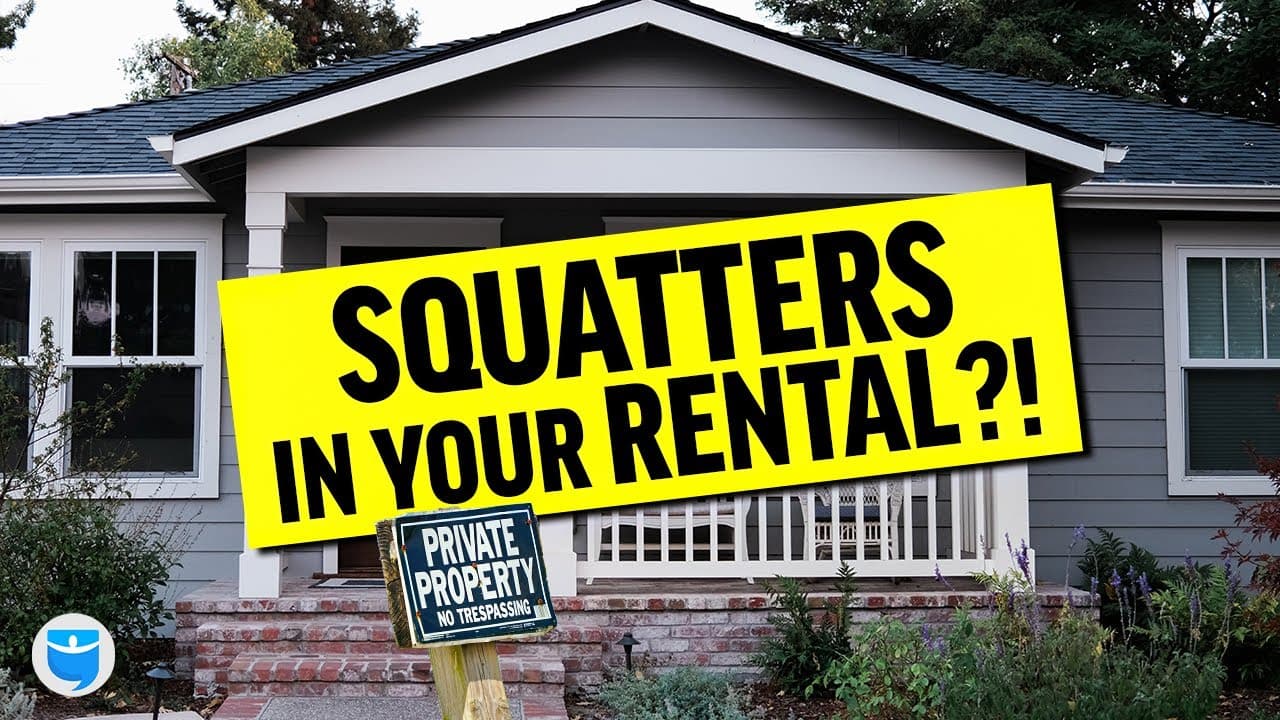
- Squatter rights can vary significantly by state, and it's essential to consult an attorney when dealing with non-leased tenants who refuse to leave.
- Using apps like LandGlide and onX Hunt can help in determining property lines but may not be as accurate as a professional survey.
Install to Summarize YouTube Videos and Get Transcripts
Explore YouTube Video Summarizer or Get YouTube Transcript Extractor
Questions & Answers
Q: What are the benefits of not having a real estate license as an investor?
Many investors find it beneficial to hire professional real estate agents who have expertise in the buying and selling process. Agents can handle paperwork, negotiations, and ensure that all legal requirements are met, allowing investors to focus on other aspects of their business. This approach can save time and reduce stress.
Q: Why is a property survey important when purchasing real estate?
A property survey is crucial as it determines the exact boundary lines of a property, identifies any easements, and can reveal potential disputes with neighbors. Having a clear understanding of what land is being purchased can prevent future legal issues and is often required by lenders or during the sale process.
Q: What should you consider if buying a property with tenants?
When buying a property with tenants, it's important to verify lease agreements and tenant rights. This can involve reviewing estoppel agreements to confirm rent amounts and lease terms. Understanding these details helps avoid complications and ensures compliance with local tenant laws.
Q: How does seller financing for a down payment work?
Seller financing for a down payment involves the seller providing a loan to cover the buyer's down payment. However, this arrangement must be disclosed to lenders, as some may not accept it. It's more common in commercial financing, where the property's income can cover both mortgage payments.
Q: Is it common to charge a cleaning fee at move-in for tenants?
Charging a cleaning fee at move-in is not common. Typically, landlords provide a clean unit and expect tenants to return it in the same condition. Cleaning costs are usually deducted from the security deposit if necessary, with tenants being informed of cleaning expectations upfront.
Q: What are the challenges of dealing with squatters?
Squatters can pose significant challenges, especially in states with favorable squatter rights. It's important to consult with an attorney to understand legal obligations and the eviction process. Ensuring proper documentation and legal compliance is key to resolving these situations effectively.
Q: How can apps like LandGlide and onX Hunt assist real estate investors?
Apps like LandGlide and onX Hunt help investors by providing a visual representation of property lines and boundaries. While useful for initial assessments, they may not be as accurate as professional surveys, which are recommended for precise boundary determination and legal clarity.
Q: What are the pros and cons of getting a real estate license as an investor?
Obtaining a real estate license can be beneficial if you plan to engage in buying and selling properties for others, offering potential commission savings. However, it involves costs, time, and ongoing education. For personal investments, leveraging professional agents may be more practical and efficient.
Summary & Key Takeaways
-
Real estate investing does not always require a license; many investors hire professionals to handle transactions. Understanding property surveys and their importance in defining property lines is crucial for investors.
-
The episode discusses the pros and cons of obtaining a real estate license for personal investments, emphasizing that it may not be necessary unless one plans to run a real estate business.
-
Challenges like dealing with squatters and seller financing for down payments are explored, with advice to consult legal professionals and understand lender requirements.
Read in Other Languages (beta)
Share This Summary 📚
Summarize YouTube Videos and Get Video Transcripts with 1-Click
Try YouTube Summary with ChatGPT & Claude or YouTube Transcript Generator
Explore More Summaries from Real Estate Rookie 📚




Summarize YouTube Videos and Get Video Transcripts with 1-Click
Try YouTube Summary with ChatGPT & Claude or YouTube Transcript Generator