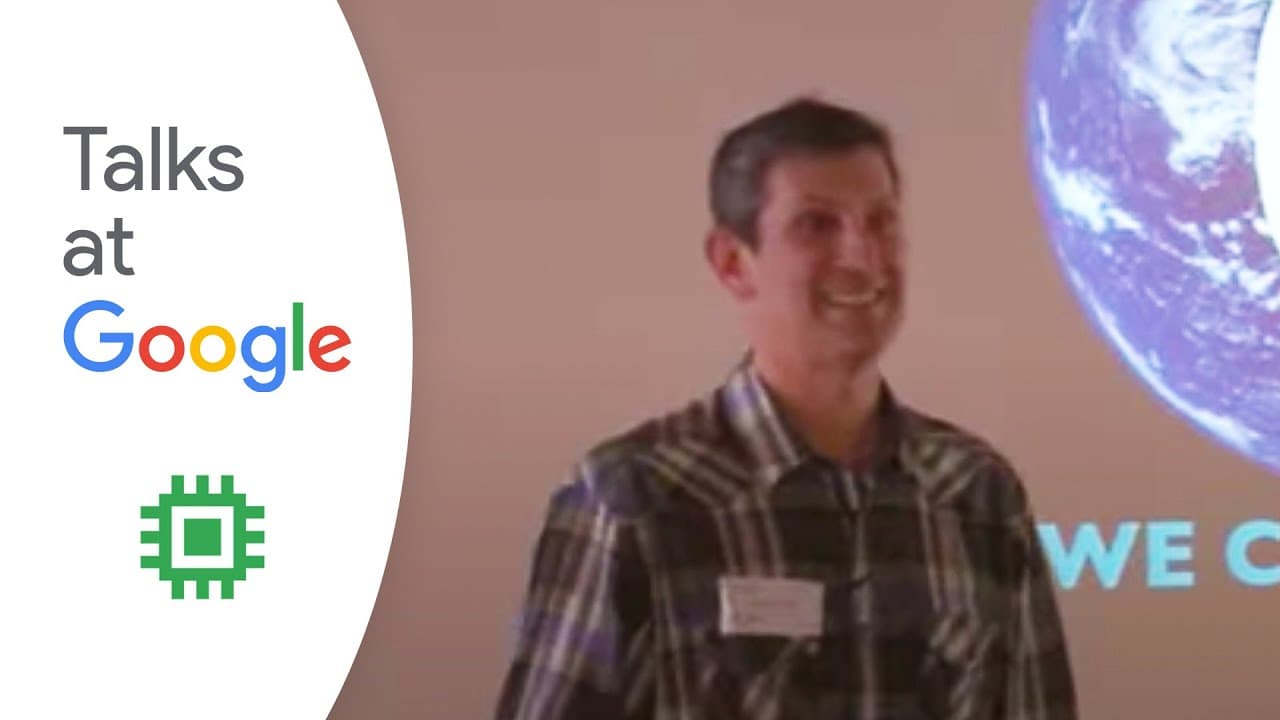
10,000 Years of Home Comfort | Matt Grocoff | Talks at Google
TL;DR
Matt Grocoff shares his experience of transforming his 112-year-old house into a net zero energy home, highlighting the importance of decarbonization and the possibility of achieving zero carbon emissions in daily life.
Transcript
MODERATOR: Thanks for joining us today to close out our Earth Week with Matt Grocoff, our special guest. Matt and I actually met via a tour of his home, which is kind of weird. But he has America's oldest and Michigan's first net zero energy home. And articles about this home have been featured in "USA Today" and "The Atlantic" and numerous other p... Read More
Key Insights
- 👪 Achieving net zero energy in homes is possible through optimizing comfort, using efficient appliances, and implementing renewable energy systems.
- 🏤 Western European countries have been successful in promoting renewable energy through subsidies and democratizing the grid.
- 🌥️ The cost of solar energy is decreasing, and leasing programs provide a viable option for homeowners without large upfront capital.
- ⛽ Putting a price on carbon and internalizing the costs of fossil fuels can drive the transition to net zero energy.
Install to Summarize YouTube Videos and Get Transcripts
Explore YouTube Video Summarizer or Get YouTube Transcript Extractor
Questions & Answers
Q: How can solar energy be affordable for homeowners?
Solar energy can be affordable through subsidies, tax credits, and leasing programs. In some cases, the cost of solar panels can be offset by the savings in energy bills over time.
Q: Are solar panels really more energy-intensive to produce than they generate?
No, this is a common misconception. Life cycle assessments of solar panels have shown that the energy they generate during their lifetime far exceeds the energy used in their production.
Q: Can existing homes be retrofitted to achieve net zero energy?
Yes, existing homes can be retrofitted to achieve net zero energy, but it requires investment in energy-efficient appliances, insulation, renewable energy systems, and smart technologies for monitoring and optimization.
Q: What role do subsidies and government incentives play in promoting net zero energy homes?
Subsidies and government incentives can make net zero energy more financially feasible for homeowners. Programs that provide tax credits, grants, or affordable financing options can help offset the upfront costs and encourage the adoption of renewable energy systems.
Summary & Key Takeaways
-
Matt Grocoff transformed his 112-year-old house into a net zero energy home, producing more energy than it consumes.
-
The journey involved optimizing comfort, using efficient appliances, implementing renewable energy systems, and restoring windows and insulation.
-
The project proved that net zero energy is achievable in any size and price range, and similar initiatives are happening in affordable housing and commercial buildings.
Read in Other Languages (beta)
Share This Summary 📚
Summarize YouTube Videos and Get Video Transcripts with 1-Click
Try YouTube Summary with ChatGPT & Claude or YouTube Transcript Generator
Explore More Summaries from Talks at Google 📚
Summarize YouTube Videos and Get Video Transcripts with 1-Click
Try YouTube Summary with ChatGPT & Claude or YouTube Transcript Generator