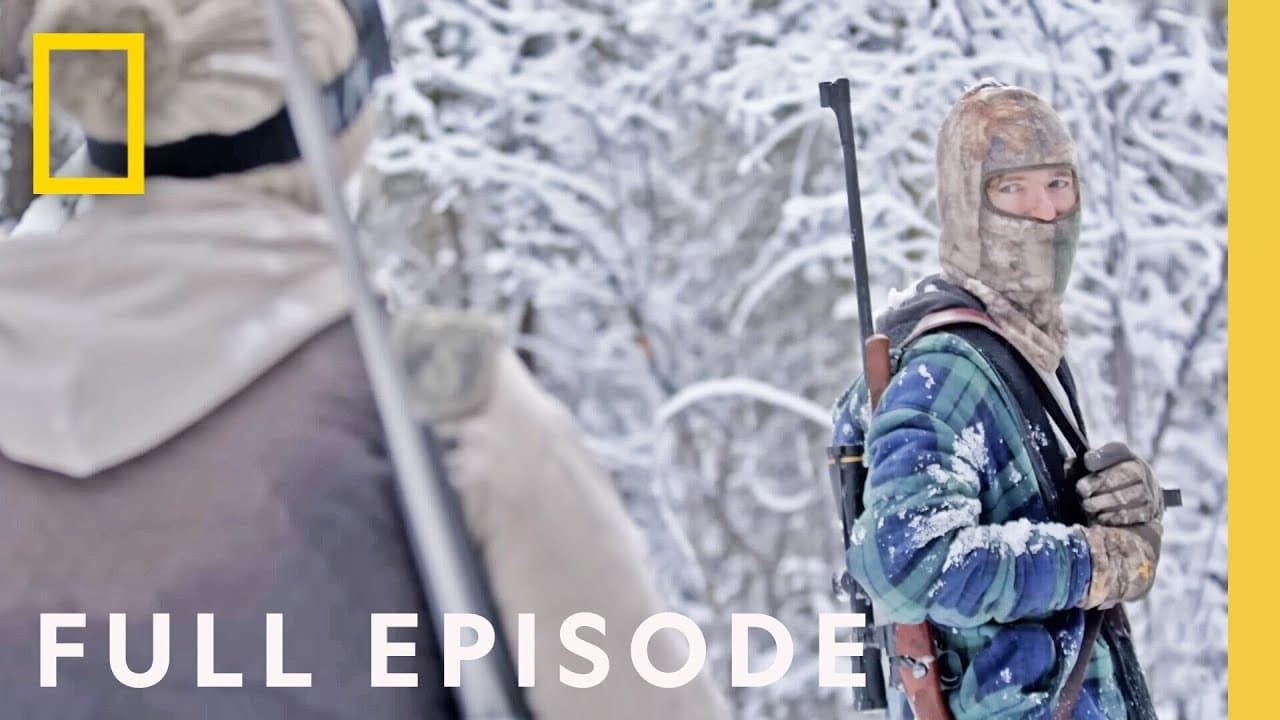
Surviving with Fear (Full Episode) | Alaska: The Next Generation
TL;DR
Thriving in the challenging Alaskan wilderness requires persistence, teamwork, and a deep appreciation for the natural world.
Transcript
♪ ♪ JOHNNY: Look at this. Wolf tracks here maybe. ♪ ♪ Sometimes you can just move the snow away, and if it was slushy, it, it's like an archaeological site. You can see the tracks of the animal. I come out here to go fishing, and it's like every day I walk out that door, I just, I don't know what's gonna happen, you know? Check this out right here.... Read More
Key Insights
- 🫒 Living in the Alaskan wilderness requires resilience, adaptability, and a deep connection with nature.
- 🤳 Hunting, fishing, trapping, and camping are essential skills for survival and self-sufficiency.
- 💦 The challenging environment teaches individuals to appreciate the rewards that come with hard work and perseverance.
- 💪 A strong sense of community and teamwork is necessary to thrive in the Alaskan wilderness.
- 🏙️ The wilderness provides a sense of freedom and freedom from the mundane tasks of city life.
- 😚 Living in close proximity to nature offers rich experiences and opportunities for personal growth.
- 🤳 The Alaskan wilderness demands a balance between self-sustainability and subsistence living.
Install to Summarize YouTube Videos and Get Transcripts
Explore YouTube Video Summarizer or Get YouTube Transcript Extractor
Questions & Answers
Q: What are the main challenges of living in the Alaskan wilderness?
Living in Alaska requires facing harsh weather conditions, adapting to challenging terrain, and hunting or fishing for sustenance. It also demands physical and mental endurance and a deep respect for nature.
Q: How do the individuals in the videos demonstrate resilience?
The individuals in the videos persist in their endeavors despite setbacks and physical strain. They adapt to changing conditions and maintain a positive mindset, recognizing the rewards that come with overcoming challenges.
Q: What are some key skills needed to thrive in the Alaskan wilderness?
Necessary skills include hunting, trapping, fishing, camping, and the ability to adapt to extreme weather conditions. Resourcefulness, teamwork, and a deep understanding of nature and the predator-prey dynamic are also crucial.
Q: How do these individuals view their relationship with nature?
They have a deep appreciation for the natural world and recognize their place in the ecosystem. They strive to live in harmony with nature, utilizing its resources in a sustainable and respectful manner.
Summary & Key Takeaways
-
Johnny, a resident of Alaska, explores the wilderness and embraces the unpredictable nature of living in the Arctic. He appreciates the thrill of being part of the predator-prey hierarchy.
-
Mario and Clare demonstrate the traditional practice of trapping animals for fur, emphasizing the utilitarian aspect of hunting and the importance of respecting nature.
-
Sonta teaches her children survival skills through winter camping, emphasizing the need to live off the land and instilling a love for the vibrant Alaskan outdoors.
-
Samantha and Nathan go caribou hunting, facing physical challenges due to the difficult terrain and Samantha's asthma. They learn the value of perseverance and adaptability.
-
Johnny utilizes ice fishing as a means of sustenance, showcasing the effort required to obtain food in the harsh Alaskan environment.
Read in Other Languages (beta)
Share This Summary 📚
Summarize YouTube Videos and Get Video Transcripts with 1-Click
Try YouTube Summary with ChatGPT & Claude or YouTube Transcript Generator
Explore More Summaries from National Geographic 📚



Summarize YouTube Videos and Get Video Transcripts with 1-Click
Try YouTube Summary with ChatGPT & Claude or YouTube Transcript Generator