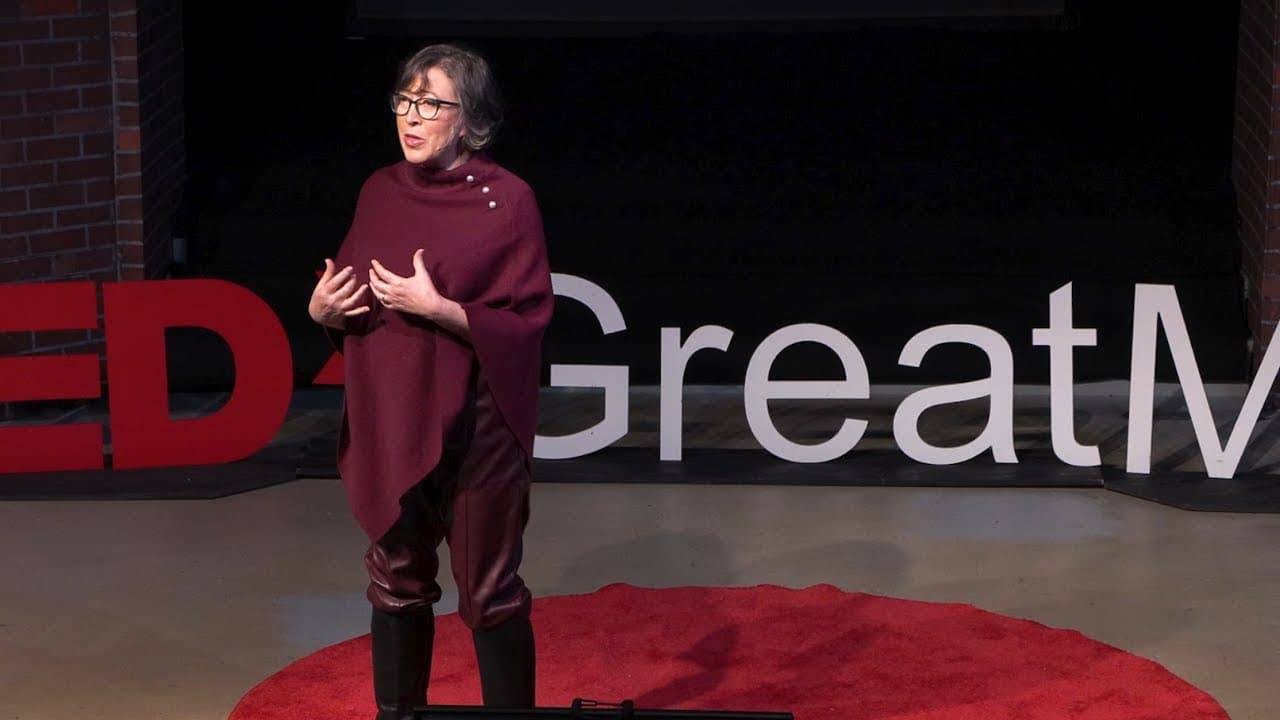
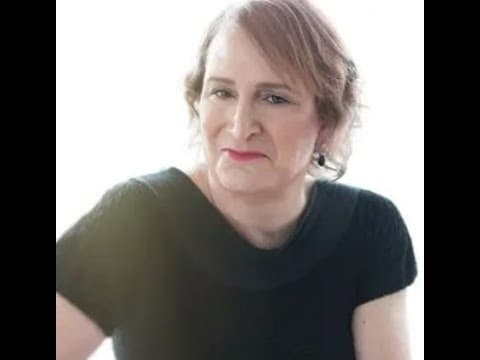
Yes, We All Die, and Talking About It Won't Kill Us. | Laura Lyster-Mensh | TEDxGreatMills
TL;DR
Embracing death positivity allows us to accept, plan for, and talk about death, providing courage in the face of mortality.
Transcript
[Applause] a lot of things are going to happen very quick I heard those words as I was being rolled feet first into an emergency trauma Department I had just taken a calaminus fall backwards off the edge of the Lincoln Memorial I had bounced twice on the marble Ledges I remember a rescuer on Horseback and I remember the sound of a siren from inside... Read More
Key Insights
- 👻 Embracing death positivity allows individuals to accept death, plan for it, and discuss it openly.
- 🌸 Personal losses and challenges can make it difficult to maintain a death-positive mindset.
- 😀 Death positivity is not about avoiding pain but finding courage in the face of mortality.
- ❤️🩹 Becoming an end-of-life Doula can provide support to individuals navigating the complexities of death and dying.
- 🥰 Death positivity empowers individuals to have important conversations with loved ones about end-of-life wishes.
- 🥺 Society's fear of death often leads to dying alone or surrounded by frightened caregivers.
- 😨 Death positivity encourages people to show up, care more about preventable causes of premature death, and take action.
Install to Summarize YouTube Videos and Get Transcripts
Explore YouTube Video Summarizer or Get YouTube Transcript Extractor
Questions & Answers
Q: What is death positivity?
Death positivity involves accepting death, planning for it, and having open conversations about it. It helps individuals face mortality with courage and make the most of their lives.
Q: How did personal losses affect the narrator's belief in death positivity?
Personal losses, including the deaths of loved ones, made the narrator question their commitment to death positivity. They realized that death positivity doesn't make the pain of loss easier, but it provides courage and a sense of purpose in the face of mortality.
Q: What is the narrator's role as an end-of-life Doula?
As an end-of-life Doula, the narrator helps individuals plan for and experience a better death. They offer emotional support, facilitate conversations about death, and assist in creating end-of-life plans.
Q: Why does the narrator believe death denial is a choice?
The narrator believes that death denial is a choice because it involves actively avoiding discussions and thoughts about death. By choosing to embrace death positivity, individuals can confront their mortality, make difficult conversations easier, and provide support to others.
Summary & Key Takeaways
-
The narrator shares a personal experience of a traumatic fall that led them to embrace the concept of death positivity.
-
They become an end-of-life Doula and engage in conversations about death, but personal losses and challenges make them question their commitment.
-
Despite the difficulties, the narrator believes that death positivity is a superpower that helps them face mortality with courage and make a positive impact.
Read in Other Languages (beta)
Share This Summary 📚
Summarize YouTube Videos and Get Video Transcripts with 1-Click
Try YouTube Summary with ChatGPT & Claude or YouTube Transcript Generator
Explore More Summaries from TEDx Talks 📚

Summarize YouTube Videos and Get Video Transcripts with 1-Click
Try YouTube Summary with ChatGPT & Claude or YouTube Transcript Generator