Combating Darfur Executions | The Devil Came on Horseback
TL;DR
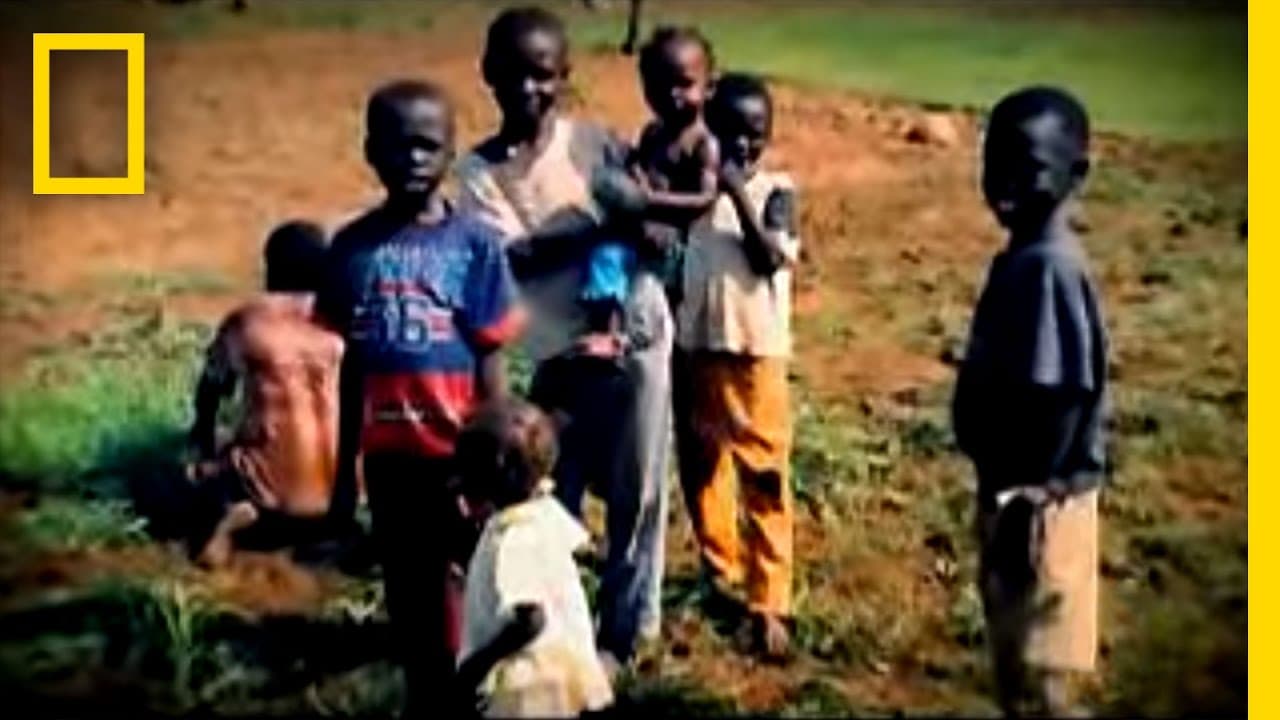
A former Marine Corps officer turned unarmed military observer shares horrifying evidence of genocide and atrocities in Sudan.
Transcript
in 2004 I became a unarmed military Observer with the African Union in Dar for Sudan all I had was a camera a pen and a paper I was totally unprepared for what I'd see I'm a captain in the Marine Corps I'm an infantry officer I just commanded a company of 330 Marines and so I decided to get out and without really any idea what I was going to do I f... Read More
Key Insights
- 😀 The narrator's lack of preparation and the shocking reality he faced in Sudan highlights the challenges and risks of unarmed military observers.
- 🖤 The existence of a confidential AU report suggests a potential lack of international action and consequences for those responsible for the atrocities.
- 😨 The fear of imprisonment inhibits the people of Sudan from speaking up against the government and reporting the ongoing atrocities.
- ❓ The classification of the events in Darfur as genocide is a topic of debate.
- 🤨 The janjaweed militia's brutal actions targeting Africans raise questions about ethnic and racial motivations.
- 🔥 The devastation and destruction witnessed in the burned villages indicate the scale of the conflict in Sudan.
- 🌍 The AU report and the evidence within it could potentially prompt international intervention if made public.
Install to Summarize YouTube Videos and Get Transcripts
Explore YouTube Video Summarizer or Get YouTube Transcript Extractor
Questions & Answers
Q: What was the narrator's role as a patrol leader in Sudan?
The narrator's role as a patrol leader was to monitor and investigate the ceasefire, gathering information and reporting on any violations or atrocities.
Q: What did the African Union's report reveal?
The confidential AU report exposed evidence of janjaweed militia chaining and burning alive individuals, specifically children from a girl school and their families who tried to save them.
Q: How did the narrator describe the situation in Darfur?
The narrator mentioned that the entire village in Darfur lay in ashes, with men and girls burned alive because they were trying to protect their families.
Q: Why do the people of Sudan fear speaking out against the government?
The people of Sudan fear imprisonment if they speak out against the government and the dire situation in Darfur, which hinders the reporting and exposure of the atrocities.
Summary & Key Takeaways
-
The narrator, a former Marine Corps officer, takes on a job as a patrol leader in Sudan, responsible for monitoring a ceasefire in the midst of a civil war and conflict in the Darfur region.
-
The African Union released a confidential report with evidence of individuals being chained and burned alive by the janjaweed militia, including children and families who tried to protect them.
-
The people of Sudan live in fear of speaking out against the government and there is a debate on whether the atrocities can be classified as genocide.
Read in Other Languages (beta)
Share This Summary 📚
Summarize YouTube Videos and Get Video Transcripts with 1-Click
Try YouTube Summary with ChatGPT & Claude or YouTube Transcript Generator
Explore More Summaries from National Geographic 📚
Summarize YouTube Videos and Get Video Transcripts with 1-Click
Try YouTube Summary with ChatGPT & Claude or YouTube Transcript Generator