Safari Live - Day 265 | National Geographic
TL;DR
An exciting afternoon safari featuring sightings of hyenas, giraffes, elephants, and lions in the African wilderness.
Transcript
this program features live coverage of an African safari and may include animal kills and caucuses viewer discretion is advised what a great afternoon to start with look at the predetermined one of the water holes and the Impala is drinking there he doesn't know what to do is looking at the Impala is facing the wrong direction a very very good afte... Read More
Key Insights
- 🦁 Lions are skilled predators that coordinate their actions to successfully hunt their prey.
- 😋 Hyenas are active during the day if there is food available, and they can cool themselves down by bathing in water.
- 🤕 Giraffes have minimal protection for their calves and often separate from them at a young age.
- 😋 Elephants have tusks that serve numerous purposes, including gathering food and defending themselves.
- 🦁 The Maasai Mara in Kenya offers incredible wildlife sightings, including giraffes, elephants, and lions.
- 🌇 Sunsets and sunrises in the African wilderness provide stunning moments of natural beauty.
- 🤑 The African wilderness provides a rich and diverse ecosystem for various species to thrive.
Install to Summarize YouTube Videos and Get Transcripts
Explore YouTube Video Summarizer or Get YouTube Transcript Extractor
Questions & Answers
Q: Why are hyenas seen near the waterhole during the day?
Hyenas can be active during the day if there is a kill nearby, as they need to scavenge for food. They can also bathe in the water to cool themselves down during the hot sun.
Q: How do giraffes protect their young?
Giraffes are not very protective mothers and often separate from their calves, making them vulnerable to predators. The calves learn to be independent from a young age.
Q: How do lions track and hunt their prey?
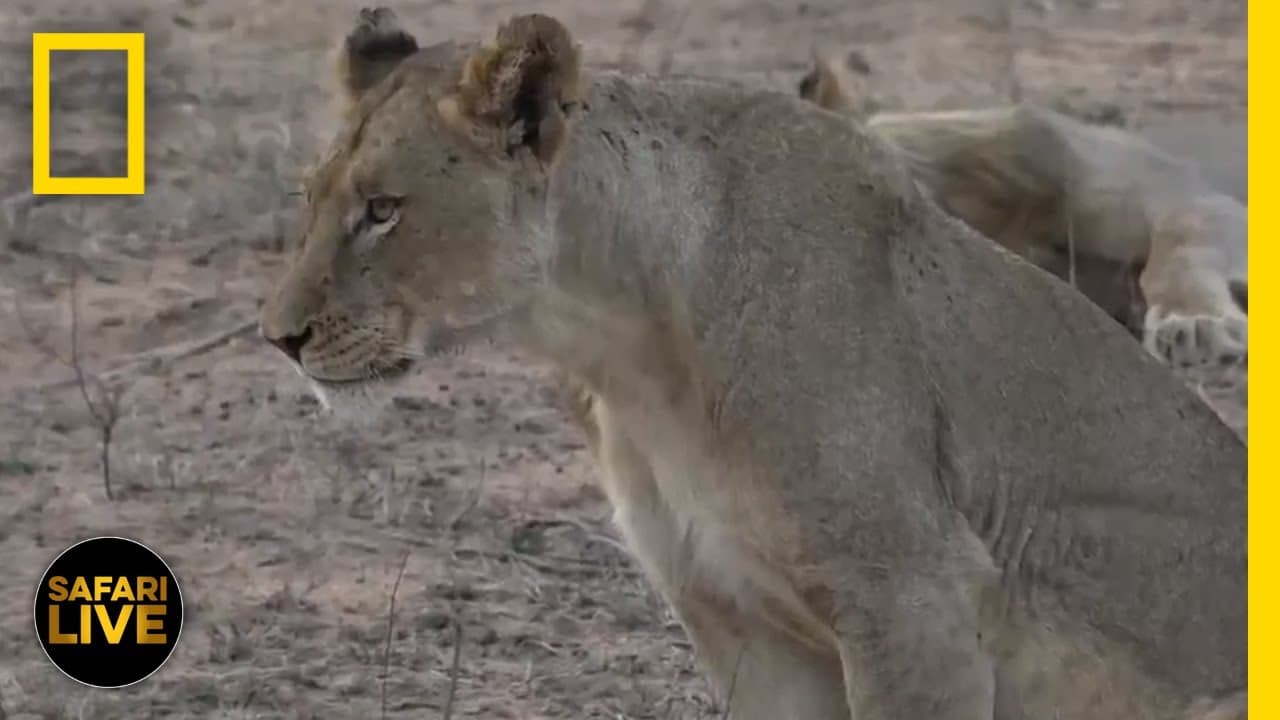
Lions are known for their coordinated group hunting strategy. They use their tails and tip of their ears for communication and surround their prey to launch a surprise attack.
Q: Why do elephants have tusks and what purpose do they serve?
Elephants have tusks made of the protein keratin. Tusks are used for various purposes, including digging for water and food, fighting for dominance, and gathering food to carry to their mouths.
Summary & Key Takeaways
-
The safari begins with a mesmerizing sight of Impalas drinking at a waterhole while an amphitheater surrounds them.
-
The guide sets out on a quest to spot cats, specifically lions, in the Maasai Mara in Kenya.
-
Along the way, beautiful sightings of tawny eagles, giraffes, and elephants are observed.
-
The safari later leads to a thrilling encounter with a pride of lions attempting to hunt a waterbuck, but the prey manages to escape.
Read in Other Languages (beta)
Share This Summary 📚
Summarize YouTube Videos and Get Video Transcripts with 1-Click
Try YouTube Summary with ChatGPT & Claude or YouTube Transcript Generator
Explore More Summaries from National Geographic 📚



Summarize YouTube Videos and Get Video Transcripts with 1-Click
Try YouTube Summary with ChatGPT & Claude or YouTube Transcript Generator