How to Understand Bird Fossils from the North Sea
TL;DR
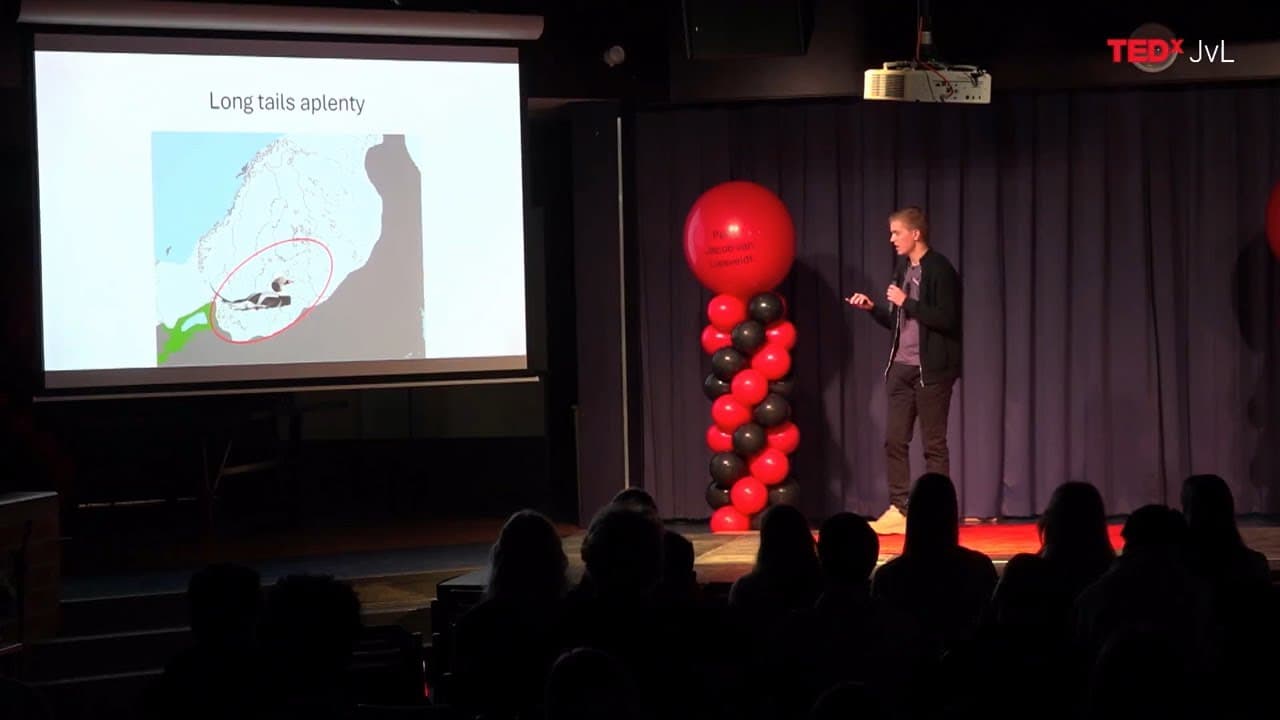
The North Sea, once a dry land called Dholand during the last ice age, holds a rich fossil record of birds, revealing past distributions different from today. Ducks, due to their strong bones, are well-represented, helping researchers understand historical bird populations and predict future shifts due to climate change.
Transcript
All right. Hello everyone. Can you hear me? Okay. Yes. Brilliant. Okay. So, my name is Martine and I'm going to be talking to you about my research into fossil birds from the North Sea. So, first things first, who am I? What am I doing here? I graduated from the Yakopisfeld back in 2021. And since then I have done active research into bird fossils.... Read More
Key Insights
- The North Sea was once dry land called Dholand during the last ice age, which ended about 10,000 years ago.
- Bird fossils from the North Sea reveal species distributions that differ from present-day occurrences.
- Ducks are well-represented in the fossil record due to their strong bones, which fossilize better than other birds.
- The longtail duck, now rare in the North Sea, was abundant in past fossil records, indicating historical habitat shifts.
- A rare find was the harlequin duck, a species not typically found in the North Sea, suggesting vagrancy.
- The common eider, abundant today, is absent from the fossil record, sparking hypotheses about historical distributions.
- Fossil bird claws, such as those from birds of prey, provide insights into the hunting practices of ancient species.
- Understanding past bird distributions helps predict future movements as the climate continues to change.
Install to Summarize YouTube Videos and Get Transcripts
Explore YouTube Video Summarizer or Get YouTube Transcript Extractor
Questions & Answers
Q: How did the North Sea become a site for bird fossils?
The North Sea was once a dry land known as Dholand during the last ice age, which ended around 10,000 years ago. As the ice age concluded, rising water levels inundated this land, submerging its rich fauna. The remains of birds and other animals became fossilized, creating a significant fossil record that reveals past species distributions and ecosystems.
Q: Why are duck fossils so common in the North Sea?
Ducks are well-represented in the North Sea fossil record due to their strong bones, which are more robust and fossilize better than those of other birds. This durability makes them more likely to be preserved and discovered by researchers, providing valuable insights into past bird populations and distributions in the region.
Q: What does the presence of longtail duck fossils indicate?
The abundance of longtail duck fossils in the North Sea, despite their rarity today, suggests significant historical habitat shifts. During the late Pleistocene, the Baltic Sea was inaccessible due to glaciation, making the North Sea a viable habitat. As the climate warmed and glaciers melted, these ducks likely shifted northwards, explaining their current distribution in the Baltic Sea.
Q: What is significant about the harlequin duck fossil find?
The discovery of a harlequin duck fossil in the North Sea is significant because this species typically inhabits Atlantic waters and is rarely found in the region. Its presence suggests vagrancy, where individual birds occasionally stray from their usual habitats. This find highlights the dynamic nature of bird distributions and the potential for unexpected occurrences in fossil records.
Q: Why is the common eider absent from the fossil record?
The absence of common eider fossils in the North Sea, despite their abundance today, remains a mystery. This discrepancy has led to hypotheses about historical distributions and environmental factors that might have influenced their presence or absence in the past. Continued research aims to uncover the reasons behind this unexpected gap in the fossil record.
Q: How do bird of prey fossils enhance our understanding of ancient ecosystems?
Bird of prey fossils, particularly their claws, provide insights into the hunting practices and ecological roles of these species in ancient ecosystems. These fossils reveal the presence of species like the northern hawk owl and snowy owl, which are rare or absent in the region today, offering a glimpse into the diverse avian communities that once existed in the North Sea area.
Q: What can the study of past bird distributions tell us about future climate impacts?
Studying past bird distributions helps predict future movements as the climate continues to change. By understanding how species like the longtail duck have historically responded to environmental shifts, researchers can anticipate potential habitat changes and migrations. This knowledge is crucial for conservation efforts and managing ecosystems in the face of ongoing climate change.
Q: What role do bird fossils play in understanding historical ecosystems?
Bird fossils provide a window into historical ecosystems, revealing species distributions and interactions that differ from present-day patterns. They offer clues about past climates, habitats, and ecological dynamics, helping researchers reconstruct ancient environments. This understanding aids in predicting how current ecosystems might evolve in response to ongoing environmental changes.
Summary & Key Takeaways
-
The North Sea was once a dry land called Dholand during the last ice age, where many bird species thrived. As the ice age ended, rising water levels inundated this land, submerging its rich fauna. Today, bird fossils from this period reveal species distributions that differ from current patterns, offering insights into historical ecosystems.
-
Ducks, with their robust bones, are prevalent in the fossil record, making them a key focus for understanding past bird populations in the North Sea. The longtail duck, now rare in the region, was once common, indicating significant habitat changes over time. The presence of unexpected species like the harlequin duck suggests occasional vagrancy.
-
Studying these fossils not only sheds light on historical bird distributions but also aids in predicting future shifts due to climate change. As temperatures rise and habitats transform, understanding past patterns becomes crucial for anticipating where species like the longtail duck might move next, potentially altering current ecosystems.
Read in Other Languages (beta)
Share This Summary 📚
Summarize YouTube Videos and Get Video Transcripts with 1-Click
Try YouTube Summary with ChatGPT & Claude or YouTube Transcript Generator
Explore More Summaries from TEDx Talks 📚




Summarize YouTube Videos and Get Video Transcripts with 1-Click
Try YouTube Summary with ChatGPT & Claude or YouTube Transcript Generator