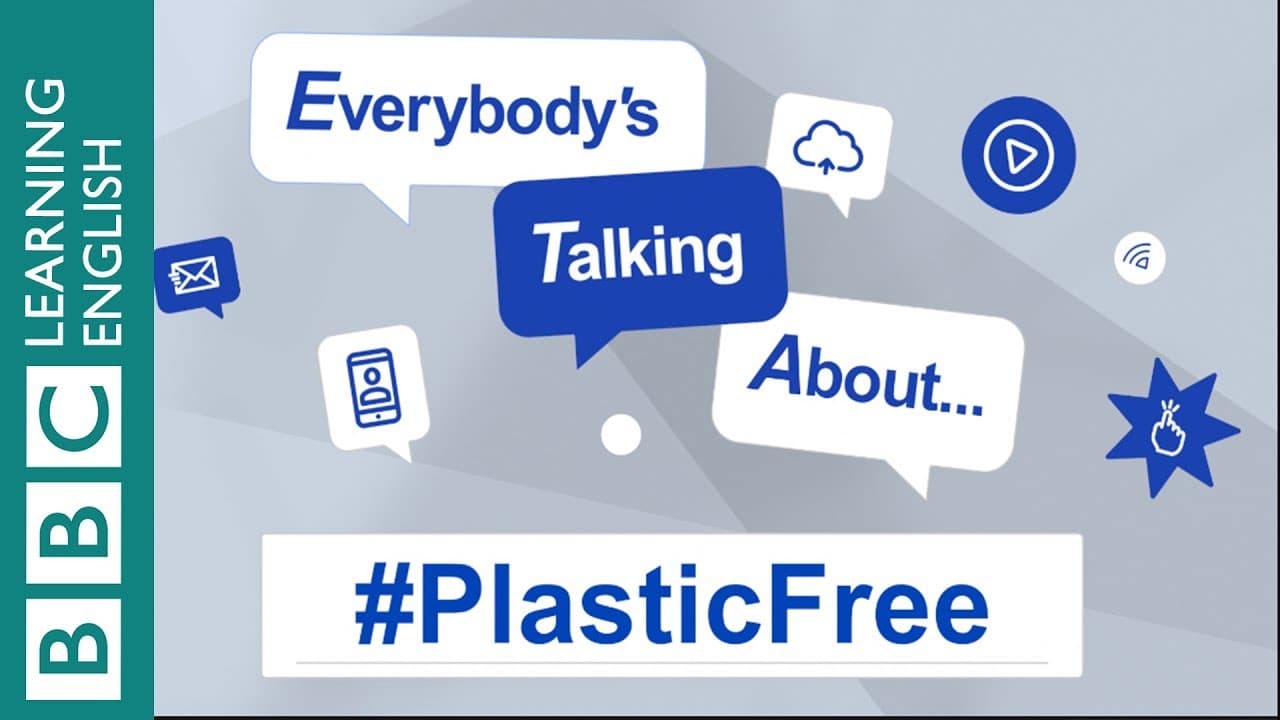
Everybody's Talking About... #PlasticFree
TL;DR
Plastic pollution is a global issue; solutions require collective action.
Transcript
Hi guys! I'm Charlene from BBC Learning English. With one million drinks bottles just like this one being sold around the world every minute, plastic pollution is a truly international problem and more and more of us are looking at ways to use less plastic in our daily lives - or even to live 'plastic free'. With the world's first plastic-free aisl... Read More
Key Insights
- Plastic pollution is a global concern, with one million plastic bottles sold every minute worldwide, highlighting the urgent need for solutions.
- The opening of the world's first plastic-free aisle in a Dutch supermarket signifies a growing movement towards reducing plastic usage.
- Governments, retailers, and individuals all share responsibility in addressing plastic pollution through legislation, retail practices, and personal choices.
- Living plastic-free is seen as a challenging but necessary goal by many, requiring collective effort and gradual lifestyle changes.
- Awareness of plastic pollution is rising, with more people considering how to reduce their plastic footprint in daily life.
- The demand for plastic products drives production; reducing this demand is crucial to decreasing plastic pollution.
- Many individuals express willingness to make conscious efforts to reduce plastic use, though practical challenges remain.
- Educational resources like BBC Learning English provide valuable information and platforms for discussing environmental issues like plastic pollution.
Install to Summarize YouTube Videos and Get Transcripts
Explore YouTube Video Summarizer or Get YouTube Transcript Extractor
Questions & Answers
Q: What is the significance of the plastic-free aisle in a Dutch supermarket?
The plastic-free aisle in a Dutch supermarket represents a pioneering step towards reducing plastic usage in retail environments. It highlights a growing awareness and commitment to addressing plastic pollution by offering consumers alternatives to plastic-packaged goods, thereby encouraging more sustainable shopping habits.
Q: Who is responsible for solving the plastic pollution problem?
Solving the plastic pollution problem requires a collective effort involving governments, retailers, and individuals. Governments can implement legislation to limit plastic production, retailers can offer alternatives to plastic products, and individuals can make conscious choices to reduce their plastic consumption, thereby decreasing overall demand.
Q: How concerned are people about plastic in the environment?
People express significant concern about plastic pollution, recognizing its widespread impact on the environment, including the accumulation of plastic waste on beaches and its detrimental effects on ecosystems. This concern drives the growing movement towards reducing plastic use and finding sustainable solutions.
Q: What challenges do individuals face in living plastic-free?
Living plastic-free poses practical challenges for individuals, such as the availability of alternatives and the ingrained convenience of plastic products. Despite these challenges, many express a willingness to make changes, suggesting that a gradual transition supported by increased awareness and available alternatives is necessary.
Q: How does consumer demand influence plastic production?
Consumer demand significantly influences plastic production; as long as there is high demand for plastic products, companies will continue to produce them. Reducing this demand through conscious consumer choices and increased awareness can drive a decrease in production, contributing to solving the plastic pollution problem.
Q: What role does BBC Learning English play in environmental awareness?
BBC Learning English plays a vital role in raising environmental awareness by providing educational content on issues like plastic pollution. Through discussions, interviews, and informative videos, it engages audiences in conversations about sustainability and encourages them to consider their environmental impact.
Q: What are some steps individuals can take to reduce plastic use?
Individuals can take various steps to reduce plastic use, such as choosing reusable products, avoiding single-use plastics, supporting businesses that offer plastic-free alternatives, and advocating for policies that limit plastic production. These actions collectively contribute to reducing the demand and impact of plastic pollution.
Q: Why is plastic pollution considered an international problem?
Plastic pollution is an international problem because it transcends borders, affecting ecosystems, wildlife, and human communities globally. The widespread distribution of plastic waste in oceans and on land requires a coordinated international response to effectively address and mitigate its environmental impact.
Summary & Key Takeaways
-
Plastic pollution is a pressing global issue, with significant contributions from the widespread sale of plastic bottles. Efforts to address this include the world's first plastic-free aisle in a Dutch supermarket, signaling a shift towards reducing plastic usage and encouraging more sustainable practices.
-
Responsibility for solving plastic pollution is shared among governments, retailers, and individuals. While legislative action and changes in retail practices are essential, personal choices and reducing demand for plastic products are equally important to drive meaningful change.
-
Living plastic-free is increasingly discussed, with many expressing a willingness to make lifestyle changes. However, practical challenges exist, making it a gradual process. Educational platforms like BBC Learning English play a crucial role in raising awareness and facilitating discussions on environmental issues.
Read in Other Languages (beta)
Share This Summary 📚
Summarize YouTube Videos and Get Video Transcripts with 1-Click
Try YouTube Summary with ChatGPT & Claude or YouTube Transcript Generator
Explore More Summaries from BBC Learning English 📚
Summarize YouTube Videos and Get Video Transcripts with 1-Click
Try YouTube Summary with ChatGPT & Claude or YouTube Transcript Generator