Timothy Jones Penalty Phase Day 3 Dr Donna Maddox
TL;DR
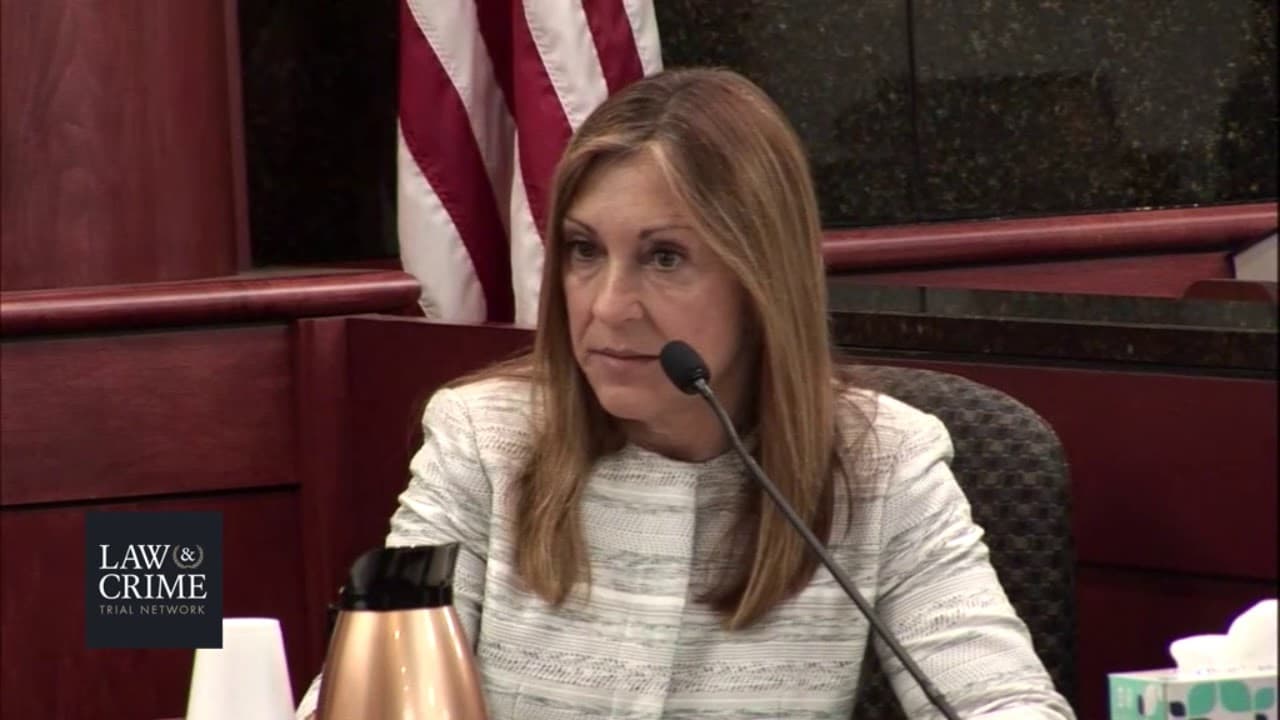
Donna Maddox, a forensic psychiatrist with 28 years of experience, discusses her career and the difference between treating patients clinically and evaluating them in a forensic setting.
Transcript
good morning Donna middle name Schwartz SCH WRAT Z last name Maddox M ad do X and I'm originally well raised in Colombia for 50 years I went to old Richland high school I went to college at Furman University and I graduated in 1985 with a Bachelor of Arts degree in psychology and I went to medical school at the University of South Carolina School o... Read More
Key Insights
- 🪘 Donna Maddox has a long and extensive career in forensic psychiatry, with experience in various settings and evaluations.
- ⁉️ The focus in forensic psychiatry is different from clinical treatment, as it involves answering legal questions and providing an opinion rather than advocating for the patient.
- ⚾ Maddox diagnosed the defendant with schizophrenia based on his symptoms, including delusions, hallucinations, cognitive decline, and negative symptoms.
Install to Summarize YouTube Videos and Get Transcripts
Explore YouTube Video Summarizer or Get YouTube Transcript Extractor
Questions & Answers
Q: What is the difference between treating patients clinically and evaluating them in a forensic setting?
In clinical treatment, the focus is on advocating for the patient and providing treatment to help them improve, while in forensic psychiatry, the aim is to answer legal questions and provide an opinion that can assist a jury or judge in making a decision.
Q: How does Maddox determine a diagnosis in forensic psychiatry evaluations?
Maddox first determines the diagnosis by understanding the patient's symptoms and conducting evaluations, including reviewing medical history and conducting assessments. A diagnosis is crucial in providing an opinion and answering legal questions accurately.
Q: What did Maddox observe in the defendant's case that led to a diagnosis of schizophrenia?
Maddox observed symptoms such as delusions, hallucinations, a deterioration in function, cognitive decline, and negative symptoms, which are consistent with a diagnosis of schizophrenia. The symptoms persisted for more than six months, indicating that the defendant met the diagnostic criteria.
Q: Did substance abuse play a role in the defendant's schizophrenia diagnosis?
Maddox acknowledges that substance abuse, such as synthetic marijuana, may have contributed to the initial onset of psychosis and symptoms. However, she concludes that the defendant's symptoms persisted for more than six months even after he stopped using drugs, supporting the diagnosis of schizophrenia.
Summary & Key Takeaways
-
Donna Maddox discusses her education and career path, which includes working at various hospitals and facilities in South Carolina.
-
She explains the difference between treating patients clinically and evaluating them in a forensic setting, emphasizing the focus on legal issues and answering specific legal questions in forensic psychiatry.
-
Maddox shares her experience evaluating the defendant in the case, stating her diagnosis of schizophrenia and the presence of negative symptoms and cognitive decline.
Read in Other Languages (beta)
Share This Summary 📚
Summarize YouTube Videos and Get Video Transcripts with 1-Click
Try YouTube Summary with ChatGPT & Claude or YouTube Transcript Generator
Explore More Summaries from Law&Crime Network 📚






Summarize YouTube Videos and Get Video Transcripts with 1-Click
Try YouTube Summary with ChatGPT & Claude or YouTube Transcript Generator