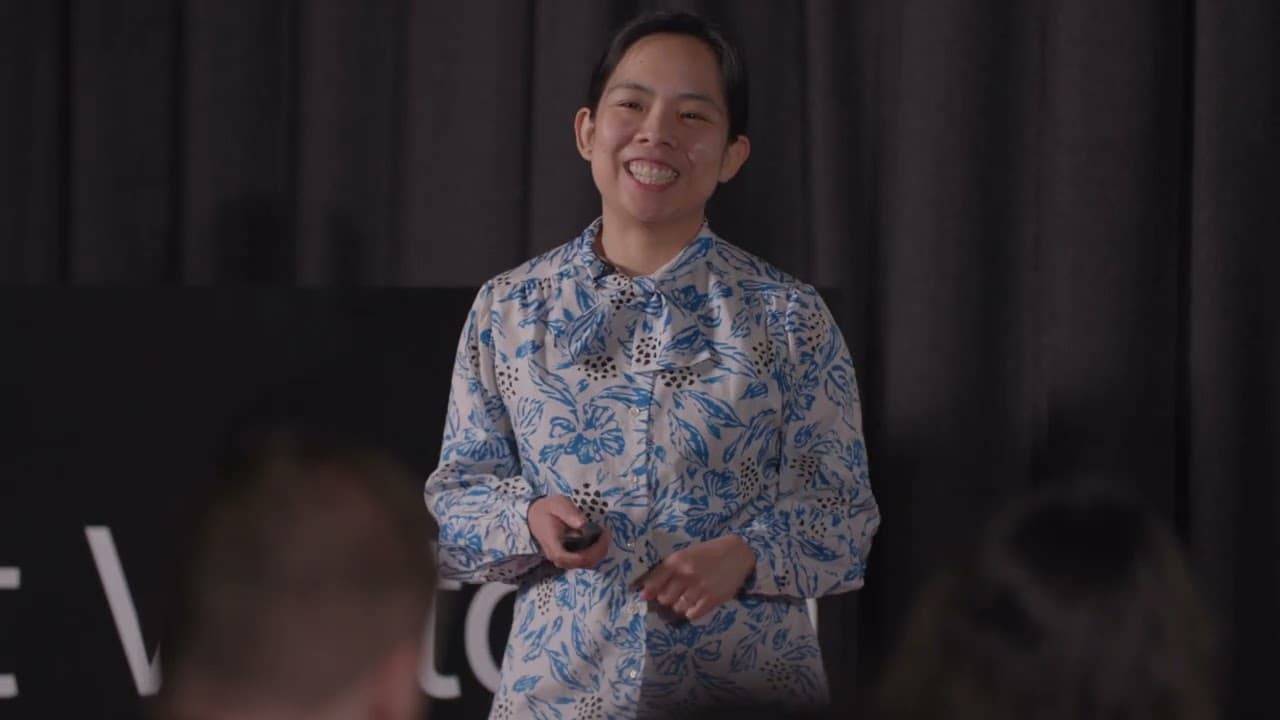
Stories we tell shape our future | Marion Lara Tan | TEDxMount Victoria
TL;DR
Disaster stories have a powerful impact on audiences, connecting on an emotional level and conveying important lessons that facts and figures cannot.
Transcript
Transcriber: Silvia Marin Reviewer: Walaa Mohammed I’m here to tell a story, a story from my mother. A story not mine, but really vivid in my memory. And this is how the story goes. It is midnight on the 17th of August, 1976. And my hometown called Cotabato City in the south of the Philippines. My parents barely just got into bed when they starte... Read More
Key Insights
- ☄️ Stories have a powerful impact on audiences, especially when it comes to motivating preparedness for disasters.
- 💄 Disaster stories connect on an emotional level, making experiences relatable and memorable.
- ❓ Practical actions and decisions embedded within disaster stories provide valuable lessons for listeners.
- ⚖️ It is important to find a balance in disaster storytelling, avoiding excessive graphic details and ensuring a focus on resilience and practicality.
- 🛰️ Everyone has a story to tell, and sharing personal experiences can contribute to future generations' understanding and preparedness.
- 🛟 1976 earthquake in the Philippines serves as a reminder of the reality of disasters and the need for resilience.
- 🦻 Keeping essential items accessible can significantly aid in immediate post-disaster situations.
Install to Summarize YouTube Videos and Get Transcripts
Explore YouTube Video Summarizer or Get YouTube Transcript Extractor
Questions & Answers
Q: Why are disaster stories more impactful than factual information when it comes to understanding?
Disaster stories evoke emotions and make the experiences relatable, helping listeners connect on a deeper level. Additionally, these stories often include practical actions and decisions that listeners can emulate.
Q: How can we protect ourselves during an earthquake?
The best thing to do is what is within our control, such as dropping, covering, and holding to prevent falls, strains, and being hit by objects. If in bed, it is advised to stay put and protect the head.
Q: Why should we keep essentials at hand?
Having essential items readily available, such as footwear or glasses, can make a significant difference in the immediate aftermath of a disaster. It is crucial to know what is important to you and where these items are located.
Q: What are the key components of an impactful disaster story?
An impactful disaster story should emphasize the human experience, focusing on individuals or communities. It should include practical actions and decisions that listeners can learn from, while maintaining a balanced approach that avoids sensationalizing the story.
Summary & Key Takeaways
-
The speaker shares a personal story of a devastating earthquake in the Philippines in 1976, highlighting the importance of storytelling in creating emotional connections and transferring knowledge.
-
The power of storytelling is supported by research, showing that narratives outperform factual information when it comes to understanding and retention.
-
The speaker emphasizes the importance of disaster stories in reminding us of the reality of these events and shares two key lessons: taking actions to protect oneself during an earthquake and keeping essential items accessible.
Read in Other Languages (beta)
Share This Summary 📚
Summarize YouTube Videos and Get Video Transcripts with 1-Click
Try YouTube Summary with ChatGPT & Claude or YouTube Transcript Generator
Explore More Summaries from TEDx Talks 📚

Summarize YouTube Videos and Get Video Transcripts with 1-Click
Try YouTube Summary with ChatGPT & Claude or YouTube Transcript Generator