Will the US Economy Face a Recession or Soft Landing?
TL;DR
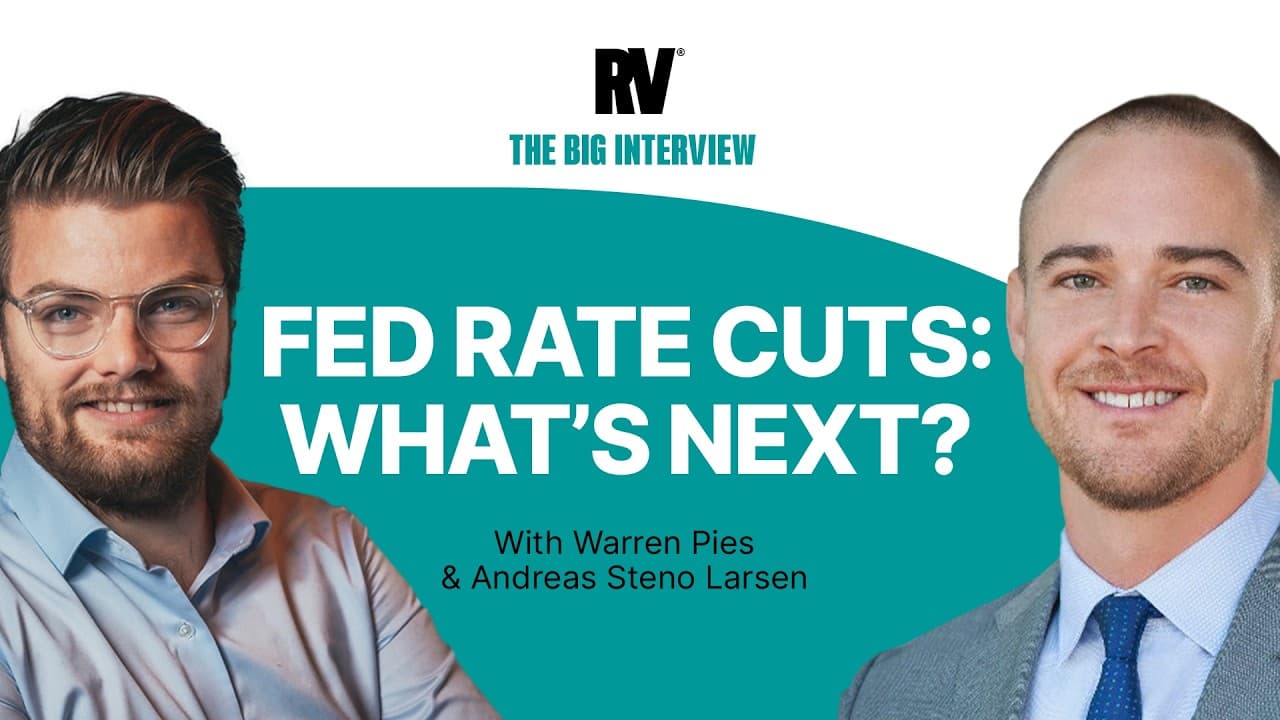
Warren Pies suggests that while the US economy is decelerating, it may not necessarily lead to a recession due to high deficit spending. He predicts a soft landing with potential rate cuts by the Federal Reserve. The discussion also covers housing inflation, market rotations, and the impact of political and fiscal policies on economic growth.
Transcript
it's a brilliant brilliant event and you'll come away with lots of new ideas and a better understanding of this incredible exponential world you get to speak to the smartest people people like you trying to figure this out but also the people on stage they're the experts so we get all of that all in one place in Singapore what more can you ask see ... Read More
Key Insights
- The US economy is decelerating but not necessarily heading into a recession, largely due to high deficit spending.
- A soft landing is defined by fluctuating economic data without a significant downturn.
- High deficit spending acts as a buffer against recession, making it unlikely under current conditions.
- Potential rate cuts by the Federal Reserve could occur if disinflationary trends continue.
- Housing inflation data is inconsistent and puzzling, raising questions about its accuracy.
- Market rotations are occurring, with shifts from large-cap to small-cap stocks following economic data releases.
- Political factors, such as potential tax cuts and spending policies, significantly influence market dynamics.
- The construction cycle shows emerging slack in residential construction labor, indicating potential economic shifts.
Install to Summarize YouTube Videos and Get Transcripts
Explore YouTube Video Summarizer or Get YouTube Transcript Extractor
Questions & Answers
Q: How does high deficit spending affect the likelihood of a recession?
High deficit spending acts as a buffer against recession by providing economic support and preventing significant downturns. Historically, the US has not experienced a recession with such high levels of deficit spending, as it sustains economic activity and consumer demand, reducing the risk of a recession.
Q: What is a soft landing in economic terms?
A soft landing refers to a scenario where an economy slows down without entering a recession. It is characterized by fluctuating economic data and moderate growth, avoiding a significant downturn. This scenario often involves managing inflation and employment levels to maintain stability.
Q: Why is housing inflation data considered inconsistent?
Housing inflation data is considered inconsistent due to discrepancies in reported figures, such as the unexpected drop in shelter inflation. Factors like seasonal adjustments and conflicting indices contribute to this inconsistency, making it challenging to accurately assess housing market trends and their impact on inflation.
Q: What factors influence market rotations from large-cap to small-cap stocks?
Market rotations from large-cap to small-cap stocks are influenced by economic data releases, investor sentiment, and expectations of future growth. Positive economic indicators or potential policy changes can prompt investors to shift focus to smaller companies with higher growth potential, leading to market rotations.
Q: How do political factors impact economic and market dynamics?
Political factors, such as tax policies, government spending, and regulatory changes, significantly impact economic and market dynamics by influencing consumer confidence, business investment, and overall economic growth. These factors can alter market expectations and drive shifts in investment strategies.
Q: What are the implications of slack in residential construction labor?
Slack in residential construction labor indicates potential economic changes, as it suggests reduced demand for new housing projects and a slowdown in construction activity. This can impact employment levels and economic growth, signaling a shift in the housing market and broader economic conditions.
Q: How might potential rate cuts by the Federal Reserve affect the economy?
Potential rate cuts by the Federal Reserve could stimulate economic growth by lowering borrowing costs, encouraging consumer spending, and boosting business investment. This monetary policy tool aims to support economic activity and prevent downturns, contributing to a soft landing scenario.
Q: What role does deficit spending play in preventing a recession?
Deficit spending plays a crucial role in preventing a recession by maintaining government expenditures that support economic activity. By injecting funds into the economy, it helps sustain consumer and business demand, reducing the likelihood of a significant economic contraction and supporting overall growth.
Summary & Key Takeaways
-
Warren Pies argues that despite decelerating growth, the US economy may avoid a recession due to high deficit spending, which historically prevents downturns. He anticipates a soft landing with potential rate cuts if disinflationary trends persist. Housing inflation data remains inconsistent, complicating forecasts.
-
Market rotations indicate shifts from large-cap to small-cap stocks following economic data, reflecting investor sentiment. Political factors, including potential tax cuts and spending policies, play a crucial role in shaping economic and market dynamics. The construction cycle shows emerging slack in labor, signaling possible economic changes.
-
Warren Pies emphasizes the importance of monitoring housing inflation and market rotations as indicators of economic health. He remains optimistic about a soft landing, supported by potential Federal Reserve rate cuts and high deficit spending, which historically buffers against recessions.
Read in Other Languages (beta)
Share This Summary 📚
Summarize YouTube Videos and Get Video Transcripts with 1-Click
Try YouTube Summary with ChatGPT & Claude or YouTube Transcript Generator
Explore More Summaries from Real Vision 📚




Summarize YouTube Videos and Get Video Transcripts with 1-Click
Try YouTube Summary with ChatGPT & Claude or YouTube Transcript Generator