How Egyptians Programmed Different Energy Centers in Their Bodies
TL;DR
Explores the concept of subtle bodies and their functions in spiritual traditions.
Transcript
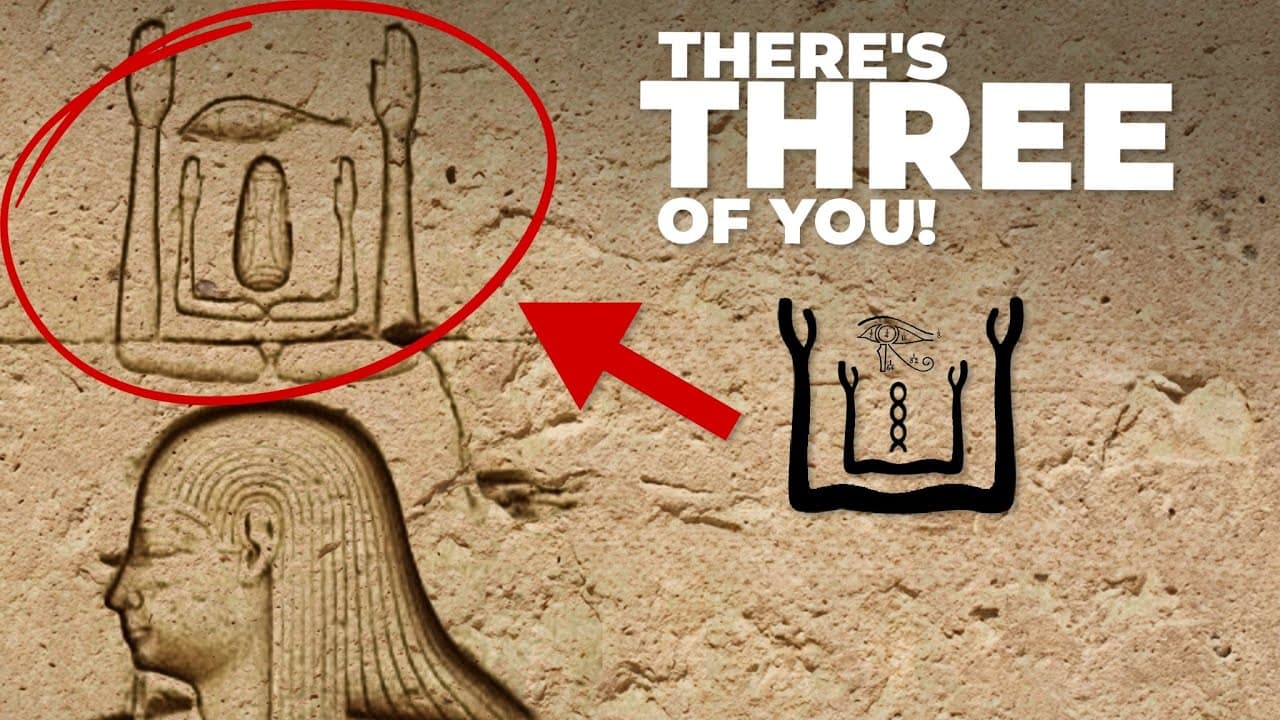
because the Egyptians understood that the subtle bodies were conscious and could be communicated with that meant they understood that they could also be programmed and those that we normally cast off after death could be preserved for other purposes that's why in the Egyptian tombs you will find in the back of the Tomb a kind of false door with a h... Read More
Key Insights
- 🏣 Egyptians recognized subtle bodies as conscious entities that could be communicated with and programmed for specific purposes post-death.
- 🕳️ The concept of a Ka hole in tombs highlights ancient Egyptians' belief in preserving spiritual energy for protection in the afterlife.
- 👻 Understanding subtle bodies allows initiates to access spiritual knowledge and power by tapping into their own energetic structure.
- 🇮🇳 Different spiritual traditions, such as those in India, outline distinct systems of subtle bodies, influencing the initiatory practices unique to each tradition.
- 🇮🇴 The interplay of Shiva and Shakti symbolizes the relationship between consciousness and energy within Indian spiritual philosophies.
- 🇮🇴 The Indian kosha system categorizes our subtle bodies, including the physical body, enabling a comprehensive understanding of human existence and spiritual evolution.
- 🇰🇿 The preservation of the Ka by the Egyptian priesthood provides insight into ancient methods of protecting and utilizing spiritual energy.
Install to Summarize YouTube Videos and Get Transcripts
Explore YouTube Video Summarizer or Get YouTube Transcript Extractor
Questions & Answers
Q: What are subtle bodies according to the content?
Subtle bodies are non-physical aspects of human existence, derived from higher planes of consciousness. They include the physical body and bodies like the etheric, astral, and mental bodies, which serve distinct functions in spirituality and energy management, facilitating our connection to the universe.
Q: How did the Egyptians preserve the life body post-death?
Egyptians believed the life body, or Ka, could be preserved after death to protect the deceased's tomb. They constructed false doors in tombs, allowing the Ka to move freely in the afterlife, while wooden statues were placed to represent the physical form, ensuring the continuity of life energy.
Q: How do Indian traditions classify subtle bodies?
Indian traditions classify subtle bodies into five sheaths or koshas: Ananda Maya (bliss), Vijnana Maya (wisdom), Manomaya (mind), Prana Maya (life energy), and Anamaya (physical). Each sheath represents different layers of consciousness and energy, facilitating spiritual development and interaction with the physical realm.
Q: What role do practices play in shaping subtle bodies?
Practices within various spiritual traditions intentionally structure practitioners’ subtle bodies. These practices activate energy centers differently, impacting consciousness. Different traditions emphasize various systems and techniques, leading to unique energetic outcomes and personal spiritual evolution.
Summary & Key Takeaways
-
The text delves into how ancient Egyptians and Indian traditions perceive subtle bodies, explaining their unique functions and significance in spiritual practices.
-
It describes different systems of subtle bodies, emphasizing how they impact human consciousness and spiritual attainment through structured practices.
-
The holistic view of these bodies is presented as integral to understanding one's spiritual essence and connecting with universal knowledge.
Read in Other Languages (beta)
Share This Summary 📚
Summarize YouTube Videos and Get Video Transcripts with 1-Click
Try YouTube Summary with ChatGPT & Claude or YouTube Transcript Generator
Explore More Summaries from Video Advice 📚


Summarize YouTube Videos and Get Video Transcripts with 1-Click
Try YouTube Summary with ChatGPT & Claude or YouTube Transcript Generator