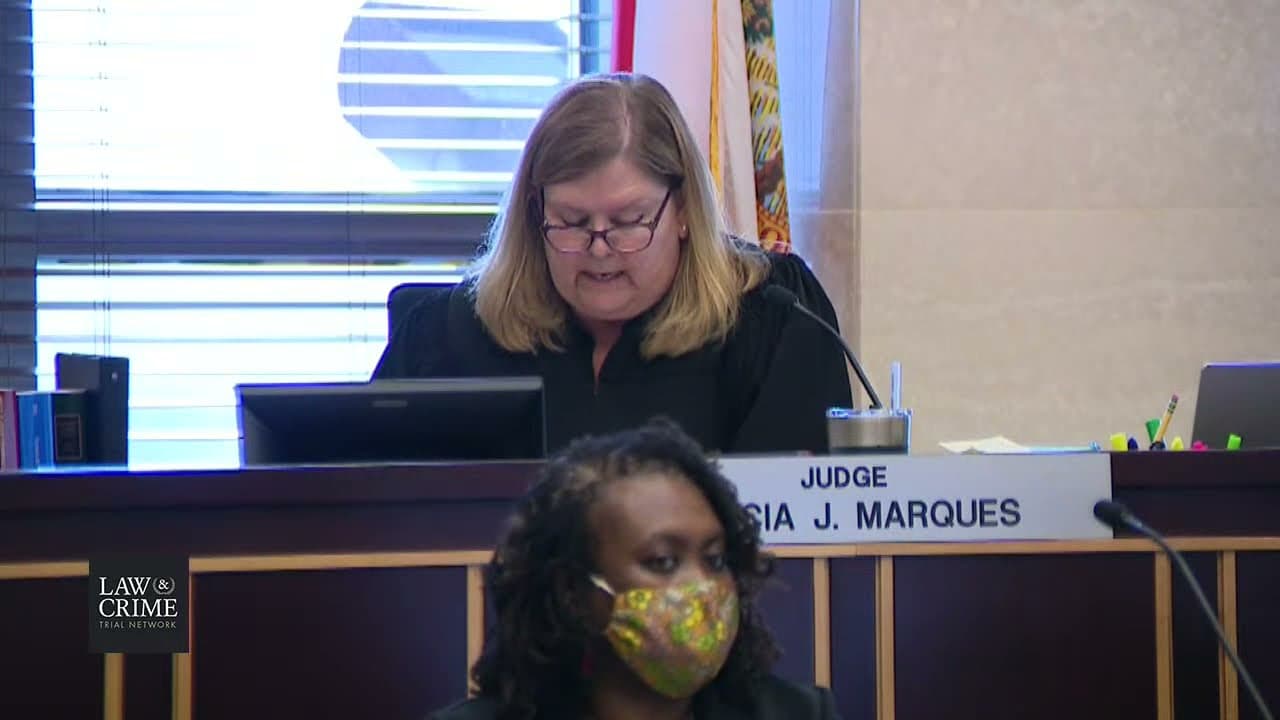
FL v. Markeith Loyd Trial Day 12 - Preliminary Jury Instructons by Judge Leticia Marques
TL;DR
Jurors are given strict rules and instructions to ensure a fair trial, including restrictions on communication, research, and discussions outside of the jury room.
Transcript
closing arguments following the closing arguments by the attorneys the court will conclude with the final instructions after the instructions are given you will then retire to consider your verdict you should not form any definite or fixed opinion on the merits of the case until you have heard all the evidence the arguments of the lawyers and the i... Read More
Key Insights
- 🥰 Jurors are instructed not to form any opinion on the case until they have heard all the evidence, arguments, and instructions on the law from the judge.
- 💼 During recesses, jurors must refrain from discussing the case with anyone and should immediately report any attempts made by others to talk about it.
- 📝 The court provides notepads and pens for jurors to take notes during the trial, but they should not become overly consumed by note-taking and should rely on their memory of the evidence.
- 🧚 The court may have private conferences with the attorneys, which are conducted to ensure a fair and orderly trial.
- 🚨 Jurors can receive emergency messages through the court, ensuring their safety and well-being during the trial.
- 🥳 The prohibition on conducting personal investigations helps maintain the right of all parties to question and challenge the evidence being considered against them.
- 🥡 Taking photographs, video recordings, or audio recordings of the proceedings and fellow jurors is strictly prohibited.
Install to Summarize YouTube Videos and Get Transcripts
Explore YouTube Video Summarizer or Get YouTube Transcript Extractor
Questions & Answers
Q: What are the reasons for the strict rules and instructions given to jurors?
These rules aim to prevent distractions and ensure that jurors make decisions based solely on the evidence presented in court. Conducting personal investigations could introduce biased or inaccurate information that could compromise the fairness of the trial.
Q: What happens if jurors violate these rules and instructions?
Violating these rules can result in contempt of court, which may lead to sanctions such as fines or even jail time. Furthermore, it could prompt a mistrial, requiring the entire trial process to start over, causing significant inconvenience and expense.
Q: Why are jurors prohibited from discussing the case with anyone, including friends and family?
Jurors must avoid any external influence or bias. Even well-intentioned comments or questions from friends or family members can unknowingly impact a juror's decision-making, compromising the fairness of the trial.
Q: Can jurors use electronic devices during the trial?
Jurors are not allowed to have cell phones, tablets, laptops, or any other electronic devices in the courtroom. They may use these devices during recesses, but they are strictly prohibited from using them to seek or share information about the case or communicate with anyone about the trial.
Summary & Key Takeaways
-
The court provides final instructions to the jurors after closing arguments, emphasizing the importance of basing their verdict solely on the evidence presented.
-
Jurors are prohibited from communicating about the case or conducting their own investigations, including using electronic devices or discussing the trial with friends or family.
-
Taking notes during the trial is allowed but should not distract jurors from the proceedings.
Read in Other Languages (beta)
Share This Summary 📚
Summarize YouTube Videos and Get Video Transcripts with 1-Click
Try YouTube Summary with ChatGPT & Claude or YouTube Transcript Generator
Explore More Summaries from Law&Crime Network 📚






Summarize YouTube Videos and Get Video Transcripts with 1-Click
Try YouTube Summary with ChatGPT & Claude or YouTube Transcript Generator