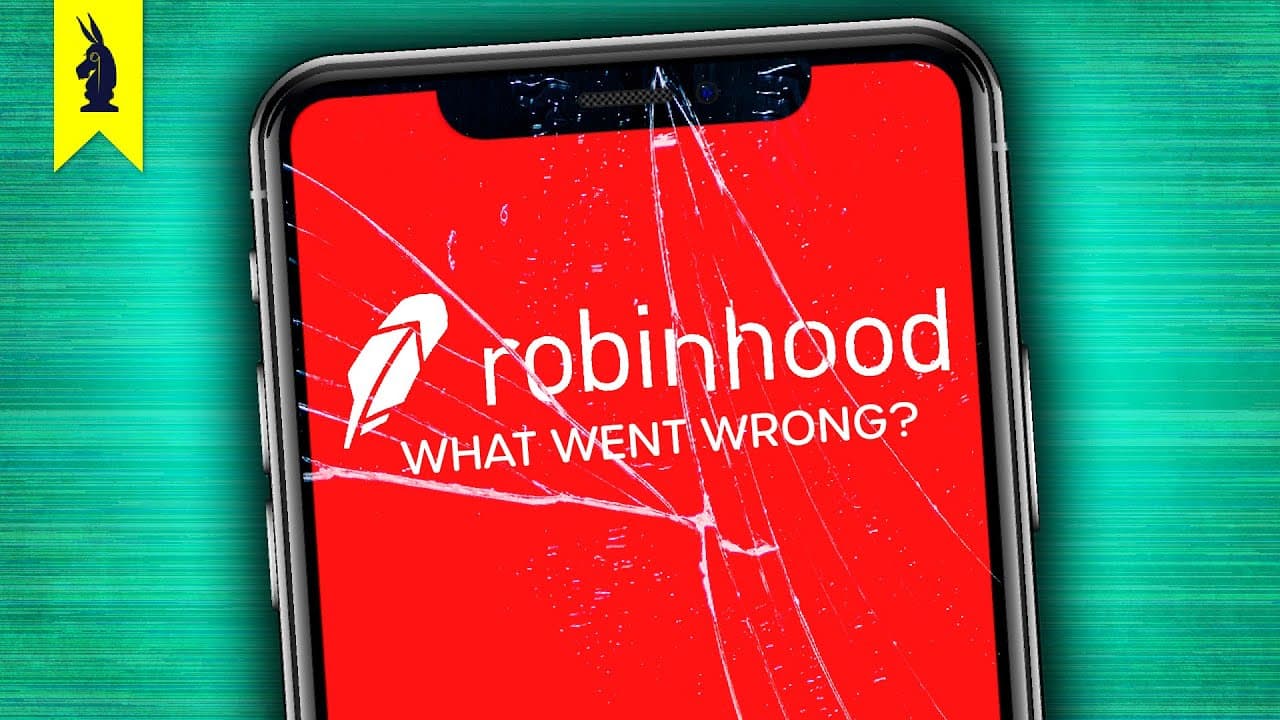
What Went Wrong with Robinhood During the GameStop Surge?
TL;DR
Robinhood faced backlash for restricting trades during the GameStop surge, raising ethical concerns about its commitment to democratizing finance. The company's reliance on payment for order flow means it prioritizes the interests of hedge funds over individual investors, leading to potential conflicts of interest. Moreover, the app's design encourages frequent trading, which often results in poor financial outcomes for users.
Transcript
this video is brought to you by keeps what's up wisecrack michael here the game stocks debacle captivated the world because it showed that apps like robin hood have given us normies a collective and unprecedented power and influence over the stock market until it didn't robin hood interactive brokers and i believe e-trade came out and we're limitin... Read More
Key Insights
- ✊ The GameStop situation showcased the power of retail investors mobilizing through platforms like Robinhood, altering the traditional financial landscape.
- 🥺 Robinhood's restriction of trades during market volatility led to legal inquiries, questioning the ethics of its operational practices.
- 💐 The company's revenue model via payment for order flow highlights the often unseen dynamics between retail traders and institutional investors.
- 🤙 Regulatory scrutiny has increased around practices like payment for order flow, with calls for transparency to protect individual investors.
- 😀 Many users of trading apps may be ill-equipped to make sound investment decisions, led astray by app designs that capitalize on psychological factors.
- 🥳 Research shows that most retail investors underperform compared to market averages, challenging the narrative that anyone can easily succeed in day trading.
- 😀 The app's gamified interface may perpetuate risky trading behavior, resulting in significant losses for users who lack experience.
Install to Summarize YouTube Videos and Get Transcripts
Explore YouTube Video Summarizer or Get YouTube Transcript Extractor
Questions & Answers
Q: What events led to the backlash against Robinhood during the GameStop trading frenzy?
The backlash stemmed from Robinhood and other trading apps restricting purchases of GameStop shares amidst a dramatic increase in stock price driven by retail investors on platforms like Wall Street Bets. Users were outraged, feeling that their trading freedom was unfairly curtailed, while hedge funds continued to operate normally. This led to a lawsuit that accused Robinhood of intentionally disabling trading to favor institutional investors, thus sparking a debate about access to the financial market.
Q: How does Robinhood make money if trading is free?
Robinhood generates revenue primarily through a practice called payment for order flow. This means that instead of sending orders directly to exchanges, Robinhood routes them through market makers (like hedge funds), who pay Robinhood for this order information. While users do not pay commissions directly, this practice raises ethical concerns because it potentially compromises the execution quality for retail investors, who may not realize their trades are being sold to parties with conflicting interests.
Q: What are the potential risks of using trading apps like Robinhood?
Trading apps like Robinhood present risks, including encouraging impulsive trading behavior and exposing users to significant financial loss, particularly in options trading. Their user-friendly interfaces, which often gamify trading, can lead novice investors to make emotionally driven decisions rather than informed ones. Additionally, several high-profile cases of user financial distress and even tragedy highlight the dangers associated with easy-to-use trading systems when users do not fully understand the risks involved.
Q: Why is there criticism regarding payment for order flow practices?
Payment for order flow is criticized for creating a conflict of interest since it prioritizes the financial interests of hedge funds over retail investors. Critics argue that this practice distorts the market dynamics, favoring institutional investors who can exploit information advantages over less sophisticated retail traders. This situation raises ethical concerns, as users may not be aware that their trades are being manipulated to benefit larger financial players at their expense.
Summary & Key Takeaways
-
The GameStop trading frenzy highlighted how apps like Robinhood empower retail investors, but their actions caused outrage when buying was restricted. This restriction led to a lawsuit against Robinhood.
-
Robinhood's business model is based on payment for order flow, which raises ethical concerns about prioritizing hedge funds' interests over individual investors, creating potential conflicts of interest.
-
While Robinhood aims to democratize finance, users often make poor trading decisions due to the app's design, which encourages frequent trading, leading to losses for many individual investors.
Read in Other Languages (beta)
Share This Summary 📚
Summarize YouTube Videos and Get Video Transcripts with 1-Click
Try YouTube Summary with ChatGPT & Claude or YouTube Transcript Generator