Trudeau’s April fools joke will be on Canadians
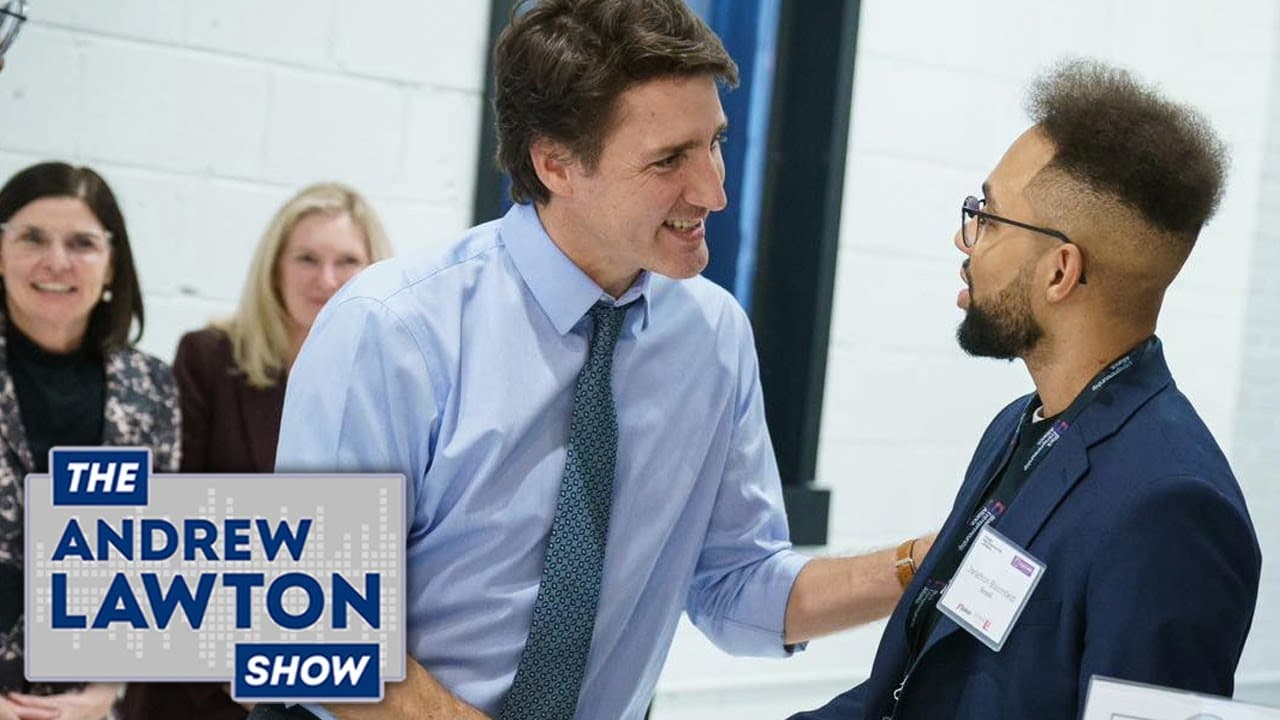
TL;DR
Tax hikes set for April 1 negatively affect Canadian taxpayers.
Transcript
you're tuned in to the Andrew lton show let's talk about really what's all Happening Here specifically on Monday Franco terzano Federal director for the Canadian taxpayers Federation uh joins us once again April 1 is a big day not a good one for taxpayers though is it Franco what what's happening that day first off because it's hard to keep track o... Read More
Key Insights
- 🚕 April 1 will see an unfortunate combination of tax increases that burden Canadian taxpayers financially.
- 😮 Public sentiment is increasingly unified against rising carbon taxes, indicating a potential political shift in response to these policies.
- 👪 Government claims regarding rebates from the carbon tax are disputed by independent governmental analysis, revealing a potential shortfall in actual returns for families.
- 🪜 The imposition of carbon taxes adds layers of complexity and expense, affecting essential livelihoods and heightening frustration among everyday Canadians.
- 😑 Political rallies and press conferences illustrate a growing grassroots movement against federal taxation practices, suggesting potential electoral repercussions.
- 🥺 The administration cost and complexity of implementing carbon taxes lead to additional financial burdens, painting a picture of inefficiency in government spending.
- 🚕 Expectations of inflation due to broad tax hikes are compounded, complicating the economic climate in Canada for the foreseeable future.
Install to Summarize YouTube Videos and Get Transcripts
Explore YouTube Video Summarizer or Get YouTube Transcript Extractor
Questions & Answers
Q: What specific tax increases are set to occur on April 1 in Canada?
On April 1, Canadians will face increased carbon taxes, higher alcohol taxes, and a pay raise for Members of Parliament. These changes are expected to escalate costs for individuals at the gas pump, bars, and throughout everyday living, exacerbating the financial pressure on taxpayers already managing high living expenses.
Q: How are Canadians responding to the proposed tax hikes?
Canadians are increasingly vocal against the tax increases, participating in rallies and events advocating for tax reductions. Leaders such as Pierre Poilievre draw large crowds to discuss what they call the "tax spike," indicating a growing public sentiment unified against the government's tax policies, especially around core living expenses.
Q: What argument does the government make to justify the carbon tax?
The government argues that most Canadians benefit financially from the carbon tax through rebates and that it is not a significant contributor to inflation. They suggest the rebates offset any additional costs incurred through the tax, claiming that certain tax strategies promote environmental sustainability and broader societal benefits.
Q: What evidence contradicts the government's justification for the carbon tax?
Contrary to government claims, evidence from the Parliamentary Budget Officer indicates that the average Canadian family could end up spending significantly more on the tax than they receive back in rebates. Additionally, taxes can compound on the carbon tax, resulting in further costs for Canadians, supporting the argument that tax policies are ultimately more burdensome than beneficial.
Q: Why is there a call to cancel the carbon tax hike?
The push to cancel the carbon tax hike stems from widespread public disapproval, as the tax impacts essentials such as fuel and heating. Critics argue that the tax disproportionately burdens lower and middle-income families, complicating their ability to afford basic needs, illustrating disconnect between government policy and citizen welfare.
Q: How are various political figures reacting to the tax increases?
Political figures from various parties, including several provincial leaders, have voiced strong opposition to the tax increases. The overarching sentiment reflects concerns that these taxes impose unfair financial burdens on their constituents, prompting planned actions such as press conferences and public demonstrations against the federal government's policies.
Q: What implications do carbon taxes have on everyday Canadians?
Carbon taxes lead to increased costs for transportation, heating, and food production, directly impacting the daily lives of Canadians. Critics underscore that these hikes not only complicate household budgets, particularly for vulnerable populations, but fail to address the underlying issues of climate change effectively, suggesting inefficiency in the current approach.
Summary & Key Takeaways
-
April 1 marks significant tax increases in Canada, including higher carbon and alcohol taxes, alongside a pay raise for Members of Parliament, straining taxpayers financially.
-
Public dissatisfaction is rising, with Canadians uniting against these tax hikes, as seen with rallies and events led by political figures like Pierre Poilievre.
-
The government claims most Canadians come out ahead due to rebates; however, evidence indicates that many families will actually incur higher costs than they receive back.
Read in Other Languages (beta)
Share This Summary 📚
Summarize YouTube Videos and Get Video Transcripts with 1-Click
Try YouTube Summary with ChatGPT & Claude or YouTube Transcript Generator
Explore More Summaries from True North 📚




Summarize YouTube Videos and Get Video Transcripts with 1-Click
Try YouTube Summary with ChatGPT & Claude or YouTube Transcript Generator