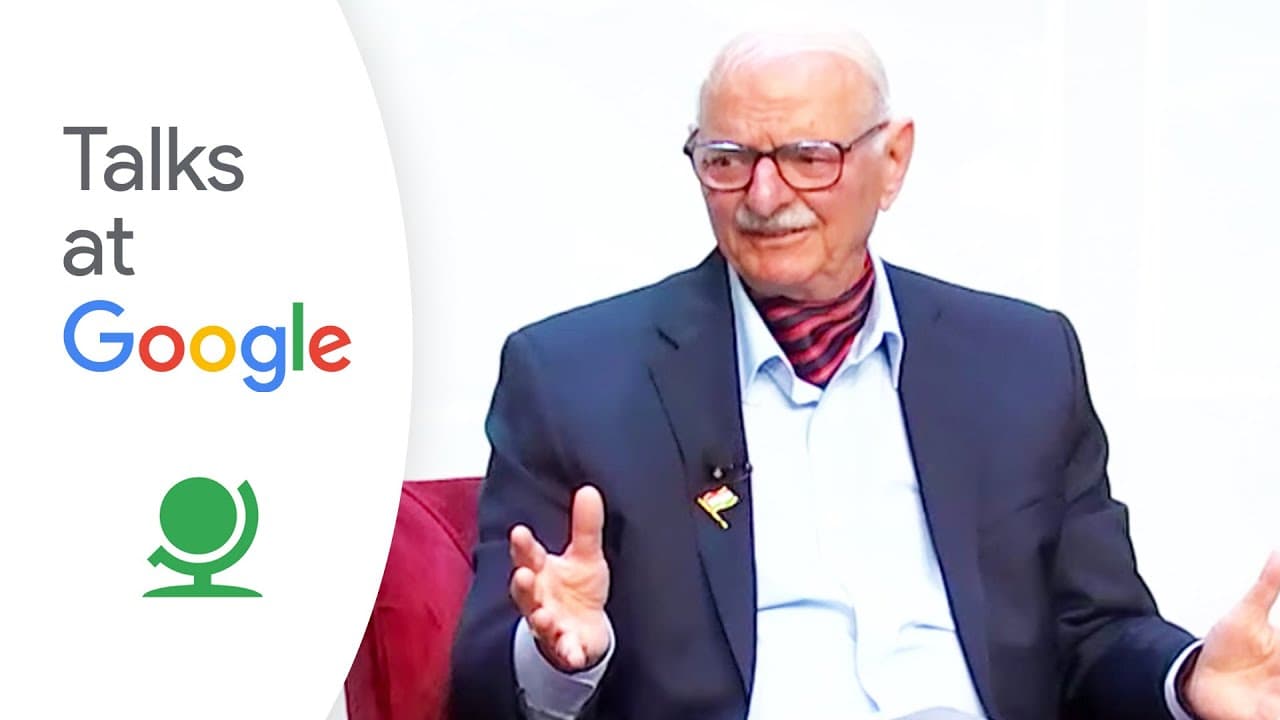
Storeis from Indias' Partition | Anurag Wadehra | Talks at Google
TL;DR
"The Parting" is a powerful and moving play that explores the stories and experiences of those affected by the 1947 partition in South Asia.
Transcript
ANURAG WADEHRA: Welcome, everyone. Welcome to Talks at Google. My name is Anurag Wadehra with the Google Cloud. It's a unique occasion and a privilege for me to host this event for Google. I'll start with a very simple story. I grew up in Delhi in a household where both my grandparents were refugees from Pakistan. So partition was not dinnertime to... Read More
Key Insights
- 🥺 The 1947 partition in South Asia led to the displacement of millions of people and caused immense suffering, which has been largely neglected in historical narratives.
- 🪸 The 1947 Partition Archive has been collecting and preserving oral histories to ensure that these stories are not forgotten and to provide a more comprehensive understanding of the partition.
- 💖 "The Parting" play aims to bring these stories to a wider audience and spark conversations about the impact of the partition on individuals, communities, and nations.
- 👨🎨 The personal accounts of survivors highlight the resilience, courage, and pain of those who lived through the partition.
Install to Summarize YouTube Videos and Get Transcripts
Explore YouTube Video Summarizer or Get YouTube Transcript Extractor
Questions & Answers
Q: Why did the 1947 partition in South Asia lead to displacement and violence?
The 1947 partition resulted in displacement and violence due to political and religious tensions between Hindus, Muslims, and Sikhs. The hurried division of British India into India and Pakistan led to mass migration, riots, and the loss of millions of lives and livelihoods.
Q: How has the 1947 Partition Archive been collecting oral histories?
The 1947 Partition Archive has been utilizing modern technology to crowdsource oral histories by teaching people around the world how to record stories. Volunteers have recorded over 5,000 oral histories from witnesses across 12 countries, in 22 languages. The archive also leverages social media to share these stories with a wider audience.
Q: Can you provide an example of a story captured by the 1947 Partition Archive?
One story captured by the archive is that of a Sikh farmer who provided shelter to a Muslim woman during the partition. After years of living together, the woman was forcibly sent back to Pakistan, and the farmer crossed religious and state boundaries to reunite with her. This story illustrates the complexities and human connections that were shattered by the partition.
Q: How does "The Parting" play explore the stories of the partition?
"The Parting" weaves together stories of individuals and families affected by the partition, presenting a range of experiences and emotions. It incorporates various styles of dance, music, and theater to create a powerful and immersive storytelling experience.
Summary & Key Takeaways
-
The 1947 Partition Archive has been collecting oral histories and testimonies from survivors of the partition, creating the largest oral history effort for the South Asian subcontinent.
-
EnActe Arts, a South Asian theater company, is working on a play called "The Parting" that brings these stories to life through dance, music, and theater.
-
The play highlights the stories of star-crossed lovers, neighbors, and families who were torn apart by the partition, and aims to create conversations about history, culture, and the impact of division.
Read in Other Languages (beta)
Share This Summary 📚
Summarize YouTube Videos and Get Video Transcripts with 1-Click
Try YouTube Summary with ChatGPT & Claude or YouTube Transcript Generator
Explore More Summaries from Talks at Google 📚

Summarize YouTube Videos and Get Video Transcripts with 1-Click
Try YouTube Summary with ChatGPT & Claude or YouTube Transcript Generator