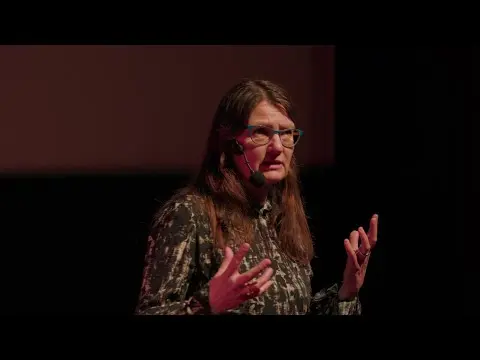
The sound of silence: how to connect to the world through listening | Alice Boyd | TEDxCesena

TL;DR
Discover the transformative power of sound and the importance of listening to our Sonic environments.
Transcript
you may have heard of 433 John Cage's experimental composition which instructs the musician or orchestra to put down their instruments for a total of 4 minutes and 33 seconds and not play a single note the audience is suspended inside silence or what we think will be silence but what we begin to notice is that it is not silent at all there's a coug... Read More
Key Insights
- 🤫 Silence is not truly silent, as ambient sounds are always present.
- ✊ Creating sound through music and technology has its own magic and the power to transport us.
- 👂 Listening to our environment can provide new connections and understanding of the world around us.
- ❓ Human-induced noise pollution is detrimental to both human and animal well-being.
- 🌍 Deep Listening is a practice that can help us build empathy and connect with each other and the natural world.
- 🤗 Specialist microphones can open up new sonic environments and foster a deeper appreciation for different species.
- 👂 By noticing and listening to our surroundings, we can be more present and connected to ourselves and others.
Install to Summarize YouTube Videos and Get Transcripts
Explore YouTube Video Summarizer or Get YouTube Transcript Extractor
Questions & Answers
Q: What is the purpose of John Cage's composition, "4'33"?
"4'33" is an experimental composition that instructs musicians to not play any notes for 4 minutes and 33 seconds, allowing the audience to experience the ambient sounds of their surroundings.
Q: How did the composer's perspective shift when he started using a field recorder?
Using a field recorder made the composer more aware of the subtle sounds and changes in his environment. It shifted his focus from creating sound to absorbing and truly listening.
Q: What is Deep Listening, and who developed it?
Deep Listening is a practice developed by American composer Pauline Oliveros, which involves intentionally focusing attention on the sonic environment. It can include natural or man-made sounds and encourages a deeper connection to the world through listening.
Q: How is human-induced noise pollution affecting the natural world?
Human-induced noise pollution, such as road traffic and aircraft noise, is impacting the sleep, stress levels, and communication of both humans and animals. It disrupts breeding, navigation, and communication for species on land and in the ocean, contributing to their extinction.
Summary & Key Takeaways
-
The composer explores the magic of creating sound through music and technology, but also discovers a new practice of using a field recorder to capture and listen to the sounds of his environment.
-
He delves into the concept of Deep Listening, developed by composer Pauline Oliveros, which involves intentionally paying attention to the sounds around us.
-
By listening, he discovers new worlds and connections, but also becomes aware of the detrimental effects of human-induced noise pollution on the natural world.
Read in Other Languages (beta)
Share This Summary 📚
Summarize YouTube Videos and Get Video Transcripts with 1-Click
Try YouTube Summary with ChatGPT & Claude or YouTube Transcript Generator
Explore More Summaries from TEDx Talks 📚





Summarize YouTube Videos and Get Video Transcripts with 1-Click
Try YouTube Summary with ChatGPT & Claude or YouTube Transcript Generator