How Does Pursuing Happiness Affect Well-being?
TL;DR
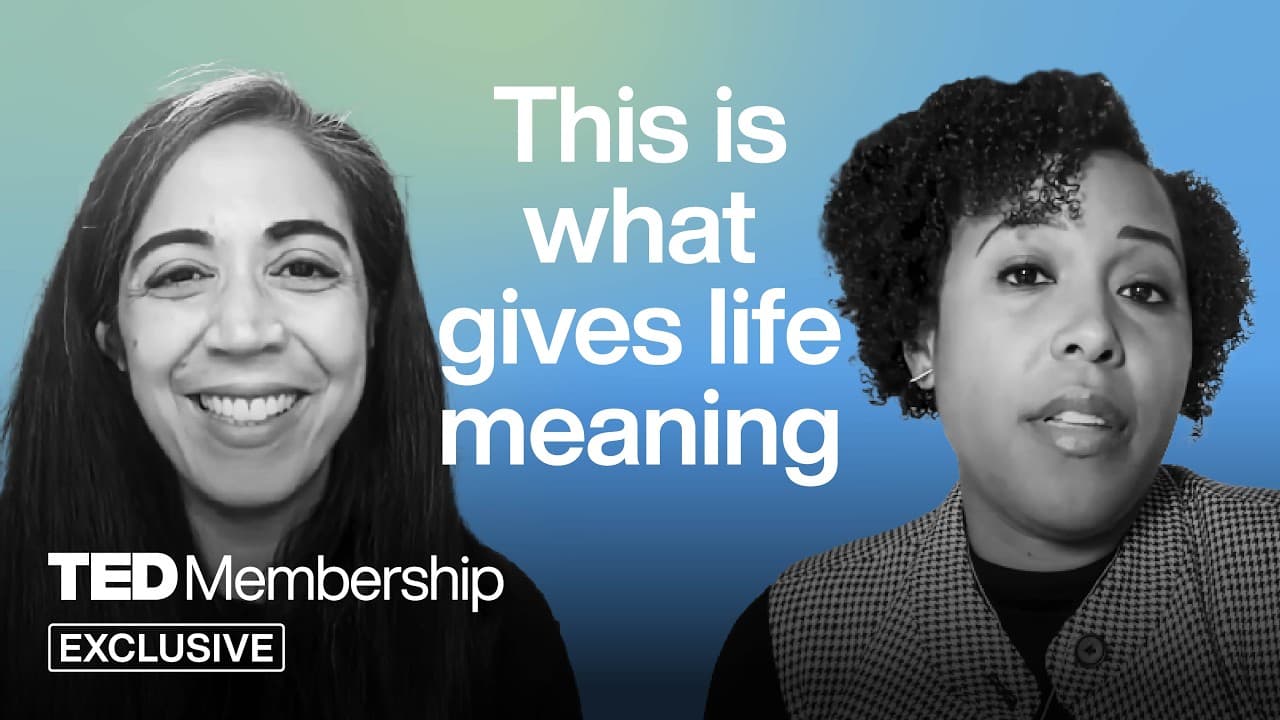
Focusing solely on pursuing happiness can lead to less happiness, as it is often fleeting and surface-level. Instead, seeking meaning through connection, contribution, and purpose provides a more stable and fulfilling sense of well-being. Meaning is found in relationships, purpose, transcendence, and storytelling, which anchor us through life's uncertainties.
Transcript
The New Year's resolution is a thing that many of us at least know about and maybe participate in some way. Thinking about how we want to resolve to do things for the year. How do you make the distinction between chasing achievement and cultivating a meaningful life? So I think so yeah the idea of resolutions I you know I I personally I like the id... Read More
Key Insights
- Pursuing happiness as a primary goal often results in less happiness due to its fleeting nature.
- Meaning provides a stabilizing force that endures beyond temporary emotional states.
- Meaning is derived from connecting and contributing to something larger than oneself.
- Belonging, purpose, transcendence, and storytelling are the four pillars of a meaningful life.
- Belonging involves being valued for who you are intrinsically, beyond superficial affiliations.
- Transitions, like the pandemic, can disrupt happiness but offer opportunities to reflect on values and direction.
- Mortality and regret can serve as catalysts for reevaluating life priorities and enhancing meaning.
- Cultivating small, meaningful moments daily can reinforce a sense of purpose and connection.
Install to Summarize YouTube Videos and Get Transcripts
Explore YouTube Video Summarizer or Get YouTube Transcript Extractor
Questions & Answers
Q: How does pursuing happiness affect well-being?
Pursuing happiness as a primary goal can lead to less happiness because it tends to be ephemeral and surface-level. Instead, focusing on meaning, which involves connection and contribution beyond oneself, provides a more enduring and fulfilling sense of well-being. Meaning anchors individuals through life's uncertainties and challenges, offering stability and resilience.
Q: What is the difference between happiness and meaning?
Happiness is a positive emotional state that is often temporary and influenced by external circumstances. In contrast, meaning is a deeper, more enduring sense of purpose and connection to something larger than oneself. While happiness can fluctuate, meaning provides stability and fulfillment, grounded in relationships, purpose, transcendence, and storytelling.
Q: Why is belonging important for a meaningful life?
Belonging is essential for a meaningful life because it involves being valued for who you are intrinsically, fostering genuine connections with others. In individualistic cultures, where loneliness and mental health issues are prevalent, creating spaces for meaningful interactions and cultivating cultures of meaning can enhance collective well-being and personal fulfillment.
Q: How can transitions impact happiness and meaning?
Transitions, such as the pandemic, can disrupt happiness by altering familiar routines and sources of comfort. However, they also offer opportunities to reflect on values, priorities, and life direction. Embracing transitions as chances for growth, despite the discomfort, can lead to a renewed sense of purpose and a deeper understanding of what truly matters.
Q: How can mortality and regret influence meaning?
Reflecting on mortality and regrets can prompt individuals to reevaluate their life priorities and align their actions with their values. These reflections can highlight what is truly important, encouraging people to focus on meaningful pursuits. Mortality and regret serve as catalysts for personal growth, prompting a deeper understanding of oneself and one's life purpose.
Q: What are some everyday practices to cultivate meaning?
Everyday practices to cultivate meaning include reframing daily tasks to connect with broader goals, creating micro moments of connection and belonging, and engaging in activities that foster transcendence, such as listening to music or appreciating nature. These small actions reinforce a sense of purpose and connection, integrating meaning into daily life.
Q: How can individualism impact a sense of belonging?
In individualistic cultures, the emphasis on self-reliance and personal achievement can lead to loneliness and a lack of meaningful connections. To counteract this, fostering genuine interactions, creating cultures of meaning, and prioritizing relationships where individuals are valued for who they are intrinsically can enhance belonging and collective well-being.
Q: What role do the four pillars of meaning play in well-being?
The four pillars of meaning—belonging, purpose, transcendence, and storytelling—provide a framework for a meaningful life. Belonging involves genuine connections, purpose provides direction, transcendence offers a sense of awe and connection to something larger, and storytelling helps make sense of experiences. Together, they anchor individuals through life's challenges, enhancing well-being and fulfillment.
Summary & Key Takeaways
-
Pursuing happiness often leads to dissatisfaction as happiness is transient and surface-level. Instead, focusing on meaning, which involves connecting and contributing beyond oneself, offers a more stable sense of well-being. Meaning is anchored in belonging, purpose, transcendence, and storytelling, which provide a foundation through life's challenges.
-
Belonging, as a pillar of meaning, involves being valued intrinsically and is crucial for a sense of connection and community. In individualistic cultures, fostering genuine interactions and creating cultures of meaning can combat loneliness and enhance collective well-being.
-
Reflecting on mortality and regrets can prompt a reevaluation of life priorities, highlighting the importance of aligning actions with values. Embracing transitions as opportunities for growth, despite discomfort, can lead to a renewed sense of direction and purpose.
Read in Other Languages (beta)
Share This Summary 📚
Summarize YouTube Videos and Get Video Transcripts with 1-Click
Try YouTube Summary with ChatGPT & Claude or YouTube Transcript Generator
Explore More Summaries from TED 📚





Summarize YouTube Videos and Get Video Transcripts with 1-Click
Try YouTube Summary with ChatGPT & Claude or YouTube Transcript Generator