Phases of Moon | #aumsum #kids #science #education #children
TL;DR
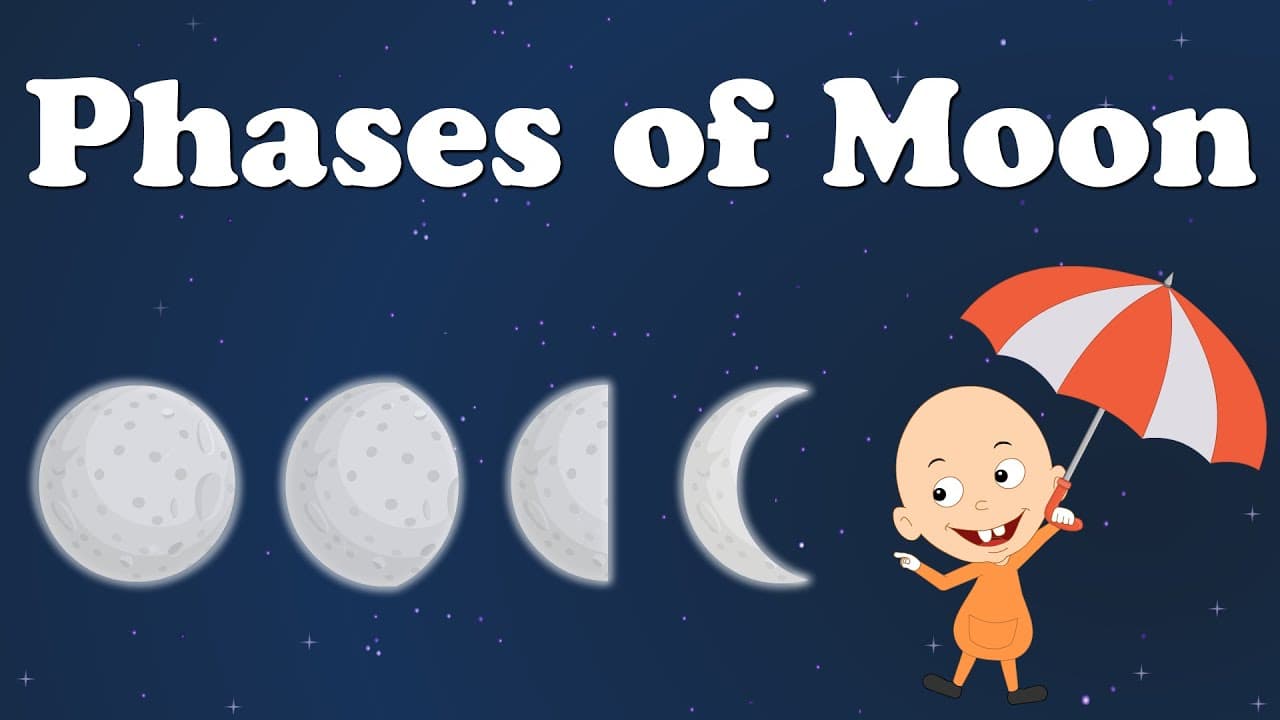
The moon goes through different phases as it orbits the earth, due to the sun's light. These phases include new moon, waxing crescent, full moon, waning gibbous, last quarter, waning crescent, and back to new moon.
Transcript
Our topic for today is Phases of Moon. The moon revolves around the earth in a fixed orbit. The moon does not have its own light. Sun gives light to the moon. When the moon is between the earth and the sun, we cannot see the moon at all. This is because the side of the moon facing the earth does not get sunlight. This is called the new moon. After ... Read More
Key Insights
- 🌒 The moon goes through different phases, including new moon, waxing crescent, full moon, waning gibbous, last quarter, waning crescent, and back to new moon.
- 🥮 The moon's phases are caused by the changing positions of the moon, earth, and sun.
- 🥳 The entire cycle of phases, known as a synodic or lunar month, takes approximately 29 days.
Install to Summarize YouTube Videos and Get Transcripts
Explore YouTube Video Summarizer or Get YouTube Transcript Extractor
Questions & Answers
Q: What causes the phases of the moon?
The phases of the moon are caused by the changing positions of the moon, earth, and sun. As the moon orbits the earth, different amounts of the sun's light are reflected and visible from the earth, resulting in the different phases.
Q: How long does it take for the moon to go through all the phases?
It takes approximately 29 days for the moon to go through all the phases and complete a full cycle. This period is known as the synodic month or lunar month.
Q: Why can't we see the moon during the new moon phase?
During the new moon phase, the moon is positioned between the earth and the sun. The side of the moon facing the earth does not receive any sunlight, so it appears completely dark from our perspective on earth.
Q: What is the significance of the waxing and waning terms in describing the moon's phases?
"Waxing" refers to the moon's illuminated portion increasing or getting larger, while "waning" refers to the moon's illuminated portion decreasing or getting smaller. These terms help differentiate between the different stages of the moon's illumination as it goes through its phases.
Summary & Key Takeaways
-
The moon does not have its own light and relies on the sun for illumination.
-
The phases of the moon include new moon, waxing crescent, full moon, waning gibbous, last quarter, waning crescent, and back to new moon.
-
The entire cycle of phases takes approximately 29 days.
Read in Other Languages (beta)
Share This Summary 📚
Summarize YouTube Videos and Get Video Transcripts with 1-Click
Try YouTube Summary with ChatGPT & Claude or YouTube Transcript Generator
Explore More Summaries from It's AumSum Time 📚




Summarize YouTube Videos and Get Video Transcripts with 1-Click
Try YouTube Summary with ChatGPT & Claude or YouTube Transcript Generator