How Margaret Thatcher Became the Iron Lady
TL;DR
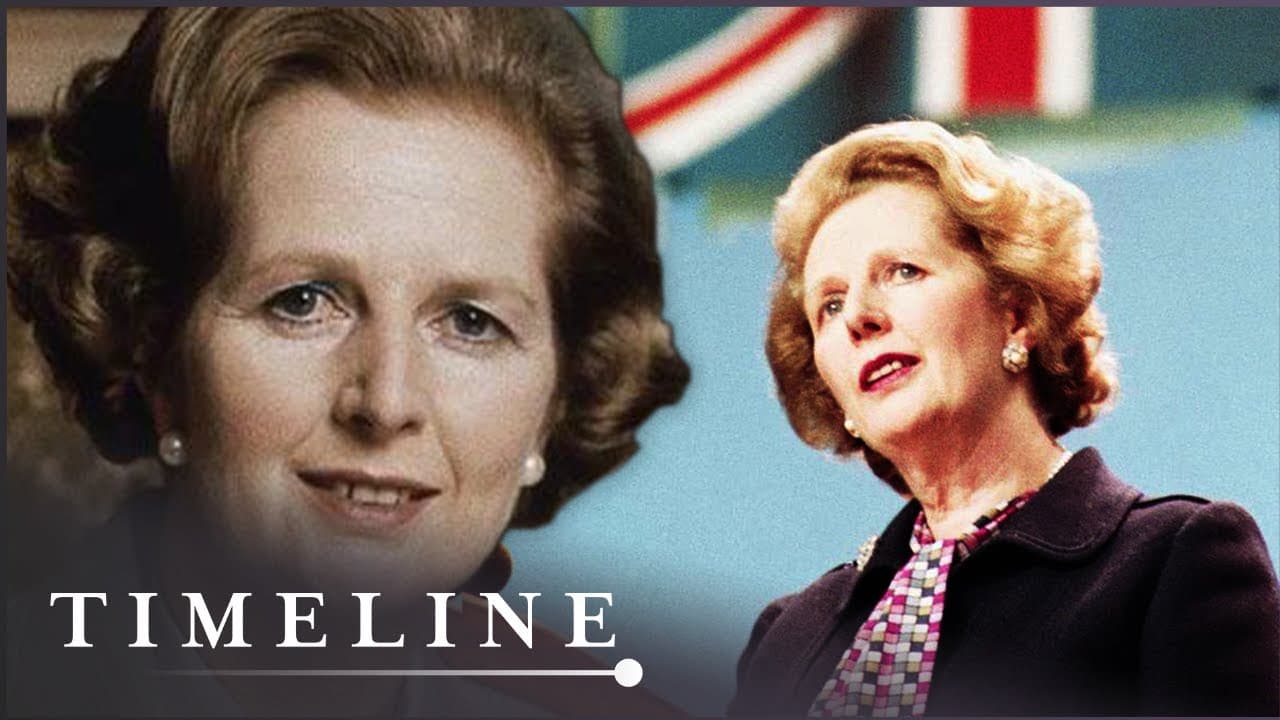
Margaret Thatcher, the first female Prime Minister of the UK, transformed British politics with her strong, divisive policies and leadership style. Her tenure saw significant economic reforms, reduced state intervention, and a focus on free markets. Though controversial, her legacy continues to influence modern British politics, shaping both her supporters and critics.
Transcript
hi everybody and welcome to this documentary on timeline my name is dan snow and i want to tell you about history hit tv it's like the netflix for history hundreds of exclusive documentaries and interviews with the world's best historians we've got an exclusive offer available to fans of timeline if you go to history hit tv ... Read More
Key Insights
- Margaret Thatcher was the first woman to lead a major Western democracy, serving as UK Prime Minister from 1979 to 1990.
- Thatcher's policies focused on reducing state intervention, promoting free markets, and curbing the power of trade unions.
- Her economic reforms, including privatization and tax cuts, were divisive but transformed the UK's economic landscape.
- The Falklands War in 1982 bolstered her popularity, showcasing her decisive leadership and patriotic appeal.
- Thatcher's tenure was marked by significant controversy, including the infamous 'poll tax' and clashes with miners' unions.
- Her relationship with US President Ronald Reagan was pivotal, influencing Western policies during the Cold War.
- Thatcher's resignation in 1990 was triggered by internal party divisions, particularly over European integration.
- Her legacy remains influential in modern British politics, shaping the ideological landscape and political discourse.
Install to Summarize YouTube Videos and Get Transcripts
Explore YouTube Video Summarizer or Get YouTube Transcript Extractor
Questions & Answers
Q: How did Margaret Thatcher become the UK's first female Prime Minister?
Margaret Thatcher became the UK's first female Prime Minister by winning the leadership of the Conservative Party in 1975. She then led the party to victory in the 1979 general election, capitalizing on economic issues and promising to control inflation and reduce union power. Her strong leadership and decisive policies helped her secure the position.
Q: What were the key economic reforms implemented by Margaret Thatcher?
Margaret Thatcher's key economic reforms included reducing state intervention, privatizing national industries, and promoting free markets. She implemented tax cuts and curbed the power of trade unions, aiming to stimulate economic growth. These reforms, while transformative, were also divisive, sparking significant debate and opposition during her tenure.
Q: Why was Margaret Thatcher referred to as the 'Iron Lady'?
Margaret Thatcher was dubbed the 'Iron Lady' due to her strong, uncompromising leadership style and firm stance against the Soviet Union. The nickname was first used by the Soviet defense ministry's newspaper, Red Star, in response to her criticism of Soviet policies. Thatcher embraced the moniker, which became synonymous with her political persona.
Q: What impact did the Falklands War have on Thatcher's popularity?
The Falklands War in 1982 significantly boosted Margaret Thatcher's popularity, showcasing her decisive leadership and patriotic appeal. Her firm response to Argentina's invasion of the islands, including a successful military campaign to reclaim them, resonated with the British public. The victory brought a wave of patriotic enthusiasm and increased support for her government.
Q: How did Thatcher's policies affect trade unions in the UK?
Thatcher's policies significantly reduced the power of trade unions in the UK. She implemented measures to make secondary industrial action illegal and required union leadership to win a ballot of membership before calling a strike. These reforms weakened the influence of unions, particularly during the miners' strike of 1984-1985, and reshaped industrial relations in Britain.
Q: What were the main controversies during Thatcher's tenure?
Thatcher's tenure was marked by several controversies, including the implementation of the 'poll tax', which led to widespread public protests. Her handling of the miners' strike and the closure of unprofitable coal mines also sparked significant opposition. Additionally, her firm stance on European integration and the Anglo-Irish Agreement were contentious issues within her party and the public.
Q: How did Thatcher's relationship with Ronald Reagan influence global politics?
Thatcher's close relationship with US President Ronald Reagan influenced global politics by strengthening the Western alliance during the Cold War. Their shared philosophy of free markets and strong defense policies shaped Western strategies. Thatcher supported Reagan's military actions, such as the bombing of Libya in 1986, and played a key role in shifting perceptions about Soviet leader Mikhail Gorbachev.
Q: What led to Margaret Thatcher's resignation as Prime Minister?
Margaret Thatcher's resignation in 1990 was primarily due to internal party divisions over European integration and her leadership style. Her opposition to the European exchange rate mechanism and disputes with key cabinet members, including her Chancellor of the Exchequer, Nigel Lawson, and Foreign Secretary, Sir Geoffrey Howe, culminated in a leadership challenge by Michael Heseltine, leading to her eventual withdrawal.
Summary & Key Takeaways
-
Margaret Thatcher rose to prominence as the UK's first female Prime Minister, serving from 1979 to 1990. Her tenure was marked by significant economic reforms, including privatization and tax cuts, which were both transformative and divisive. Thatcher's strong leadership style and policies, including her handling of the Falklands War, solidified her reputation as the 'Iron Lady'.
-
Thatcher's economic policies focused on reducing state intervention, promoting free markets, and curbing the power of trade unions. Her controversial measures, such as the 'poll tax' and clashes with miners' unions, sparked widespread debate. Despite her polarizing impact, Thatcher's influence on British politics endures, shaping both her supporters and critics.
-
Thatcher's relationship with US President Ronald Reagan was pivotal, influencing Western policies during the Cold War. Her resignation in 1990 was triggered by internal party divisions over European integration. Thatcher's legacy continues to shape modern British politics, leaving a lasting impact on the ideological landscape and political discourse.
Read in Other Languages (beta)
Share This Summary 📚
Summarize YouTube Videos and Get Video Transcripts with 1-Click
Try YouTube Summary with ChatGPT & Claude or YouTube Transcript Generator
Explore More Summaries from Timeline - World History Documentaries 📚


Summarize YouTube Videos and Get Video Transcripts with 1-Click
Try YouTube Summary with ChatGPT & Claude or YouTube Transcript Generator