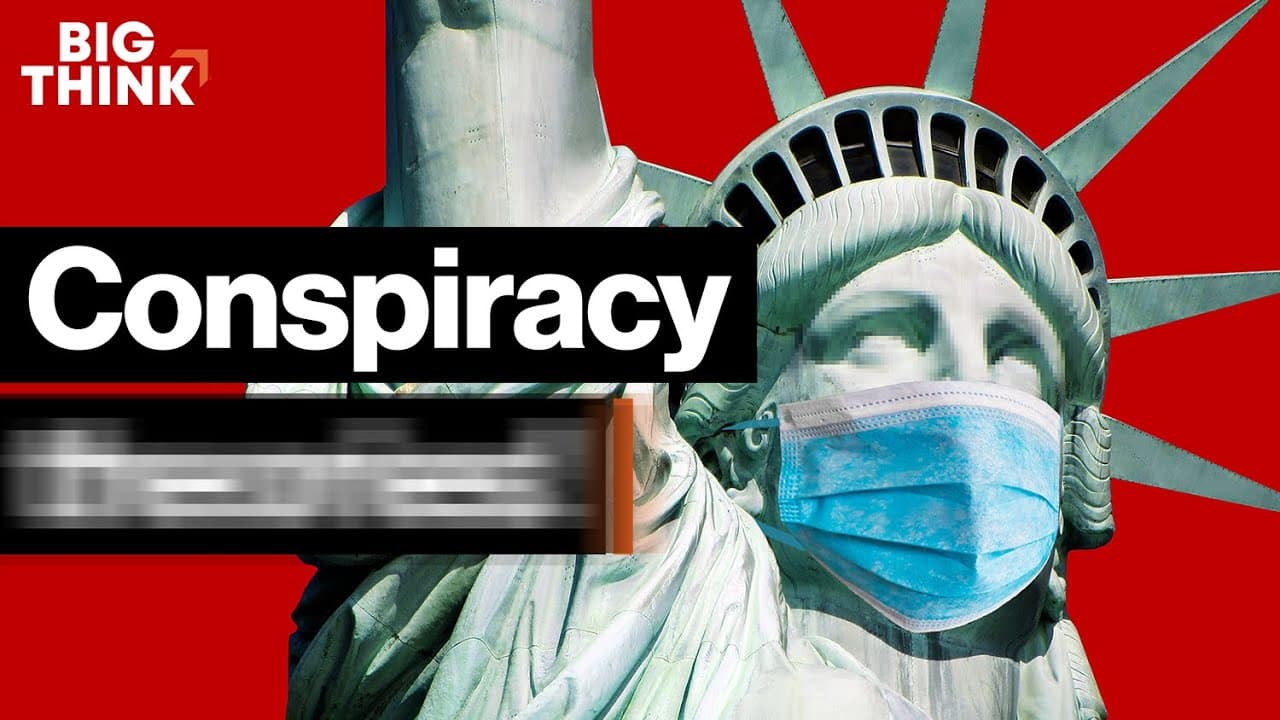
Why do people believe in conspiracy theories? | Michio Kaku, Bill Nye & more | Big Think
TL;DR
Conspiracy theorists are driven by a combination of genetic predispositions, fear, and cognitive biases, but they can be reasoned with by appealing to shared experiences, presenting evidence, and fostering trust in experts.
Transcript
BILL NYE: How do I recommend reasoning with a conspiracy theorist? MICHIO KAKU: Well, first of all I think there's a gene. I think there's a gene for superstition, a gene for hearsay, a gene for magic, a gene for magical thinking. And I think that when we were in the forest that gene actually helped us because nine times out of ten that gene was wr... Read More
Key Insights
- 👯 Genetic predispositions, such as a gene for superstition, may contribute to people's belief in conspiracy theories.
- 🖐️ Cognitive dissonance plays a role in individuals dismissing evidence that contradicts their world views.
- 🥺 The internet and social media allow individuals with similar beliefs to find and reinforce each other's ideas, leading to the spread of conspiracy theories.
- ℹ️ Trusting experts and relying on reputable sources is crucial in combating misinformation.
- 👯 Conspiracy theories are more likely to be false if they involve a large number of people, require complex elements to align perfectly, or claim global domination.
- 🤔 Fear can narrow our thinking and make us more susceptible to conspiracy theories.
- 🦸 The romanticization of becoming a hero who uncovers a grand conspiracy can be dangerous and perpetuate belief in false theories.
- 🤗 Promoting open-mindedness, acknowledging shared discomfort, and engaging in conversation can help reason with conspiracy theorists.
Install to Summarize YouTube Videos and Get Transcripts
Explore YouTube Video Summarizer or Get YouTube Transcript Extractor
Questions & Answers
Q: What genetic predispositions may make people prone to conspiracy theories?
According to Michio Kaku, genetic factors, such as genes for superstition and magical thinking, may have helped humans survive in the past by occasionally being accurate, leading to their persistence in our genetic makeup.
Q: How can cognitive dissonance contribute to conspiracy thinking?
Bill Nye explains that when presented with evidence that conflicts with their world views, individuals may experience cognitive dissonance. They often choose to dismiss the evidence and the authorities presenting it in order to avoid discomfort and preserve their existing beliefs.
Q: How has the internet influenced the spread of conspiracy theories?
Sarah Rose Cavanagh argues that the internet and social media platforms have allowed people with fringe beliefs to find each other and reinforce their ideas. This amplification can strengthen their beliefs and make conspiracy theories more pervasive.
Q: How can experts help combat conspiracy theories?
Michael Shermer emphasizes the importance of trusting experts and drawing information from reliable sources, such as Snopes.com, rather than relying on unverified content on platforms like YouTube. Regaining trust in scientists' expertise can help combat misinformation.
Summary & Key Takeaways
-
Genetic predispositions, such as a gene for superstition and magical thinking, may contribute to people's susceptibility to conspiracy theories.
-
Cognitive dissonance can cause individuals to reject evidence that conflicts with their world views, dismissing authorities and creating conspiracy theories.
-
The internet and social media platforms have facilitated the spread of conspiracy theories by allowing individuals with similar beliefs to find and reinforce each other's ideas.
Read in Other Languages (beta)
Share This Summary 📚
Summarize YouTube Videos and Get Video Transcripts with 1-Click
Try YouTube Summary with ChatGPT & Claude or YouTube Transcript Generator
Explore More Summaries from Big Think 📚


Summarize YouTube Videos and Get Video Transcripts with 1-Click
Try YouTube Summary with ChatGPT & Claude or YouTube Transcript Generator