How to Improve Your English Through Live Lessons

TL;DR
To enhance your English skills, engage in live lessons where you can ask questions and participate in discussions. This interactive approach allows you to clarify doubts, learn vocabulary differences, and practice idiomatic expressions, making the learning process dynamic and personal. Consistent exposure to conversational English and active participation are key for progressing from beginner to intermediate levels.
Transcript
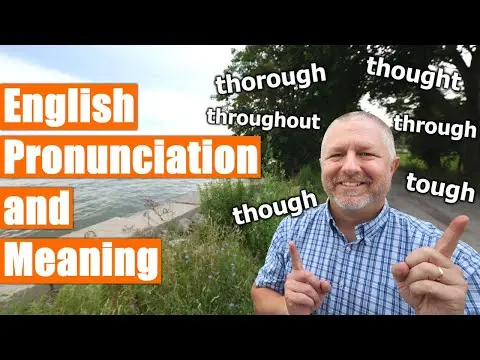
well hello and welcome to this live english lesson i'm bob the canadian as you can see i'm not outside the weather was very unpredictable this morning i went outside early just to kind of look and it was raining we actually had a little bit of hail this morning then the sun came out but then clouds rolled in again and even right now it looks like i... Read More
Key Insights
- 🥹 Bob the Canadian holds live English lessons to answer questions and engage with viewers.
- 🤔 The difference between words such as "reflect" and "relate" lies in thinking about something versus understanding or connecting with it.
- 😡 Idioms like "flying into a rage" can refer to emotional outbursts involving anger, which may include yelling or shouting.
- 🛟 Vocabulary development and incorporation into daily life is crucial for progressing from a beginner to an intermediate English learner.
- ☢️ When learning a language, active listening, variety, and exposure to context are essential.
- 😑 The use of idioms and expressions, such as "hats off to you" and "in a pinch," adds flavor and emphasis to language.
- ♻️ Bob the Canadian strives to create a positive and engaging learning environment.
- 😲 Different regions and dialects may have unique pronunciations and phrases, as seen with "conversation" pronounced with a "zed" sound.
Install to Summarize YouTube Videos and Get Transcripts
Explore YouTube Video Summarizer or Get YouTube Transcript Extractor
Questions & Answers
Q: What is the difference between "reflect" and "relate"?
"Reflect" means to think about something, while "relate" means to understand or connect with something.
Q: Does "flying into a rage" always involve yelling or can it include physical violence?
"Flying into a rage" typically refers to an emotional outburst involving anger, which may include yelling or shouting. However, it can also extend to physical violence in some cases.
Q: What is the difference between "inevitable" and "unavoidable"?
"Inevitable" and "unavoidable" mean the same thing, indicating that something is certain to happen. They can be used interchangeably in most cases.
Q: When should "as if" and "as though" be used interchangeably?
"As if" and "as though" are both used to indicate a comparison or simile. They can be used interchangeably in most cases, with no significant difference in meaning or usage.
Q: What does it mean to quit smoking "cold turkey"?
Quitting "cold turkey" refers to abruptly stopping a habit or addiction without gradually reducing or tapering off. For example, quitting smoking "cold turkey" means to quit entirely without using nicotine replacement products or gradually cutting back on cigarettes.
Summary & Key Takeaways
-
Bob the Canadian holds a live English lesson, discussing the unpredictable weather and technical issues.
-
Viewers can ask questions about the English language and engage in English conversations with each other.
-
Bob answers questions about the difference between words such as "reflect" and "relate," the meaning of idioms like "flying into a rage," and provides language learning advice.
Read in Other Languages (beta)
Share This Summary 📚
Summarize YouTube Videos and Get Video Transcripts with 1-Click
Try YouTube Summary with ChatGPT & Claude or YouTube Transcript Generator
Explore More Summaries from Learn English with Bob the Canadian 📚





Summarize YouTube Videos and Get Video Transcripts with 1-Click
Try YouTube Summary with ChatGPT & Claude or YouTube Transcript Generator