How to Draw a Detailed Sketch of a Saxophone
TL;DR
Learn how to draw a detailed sketch of a saxophone with step-by-step instructions and helpful tips.
Transcript
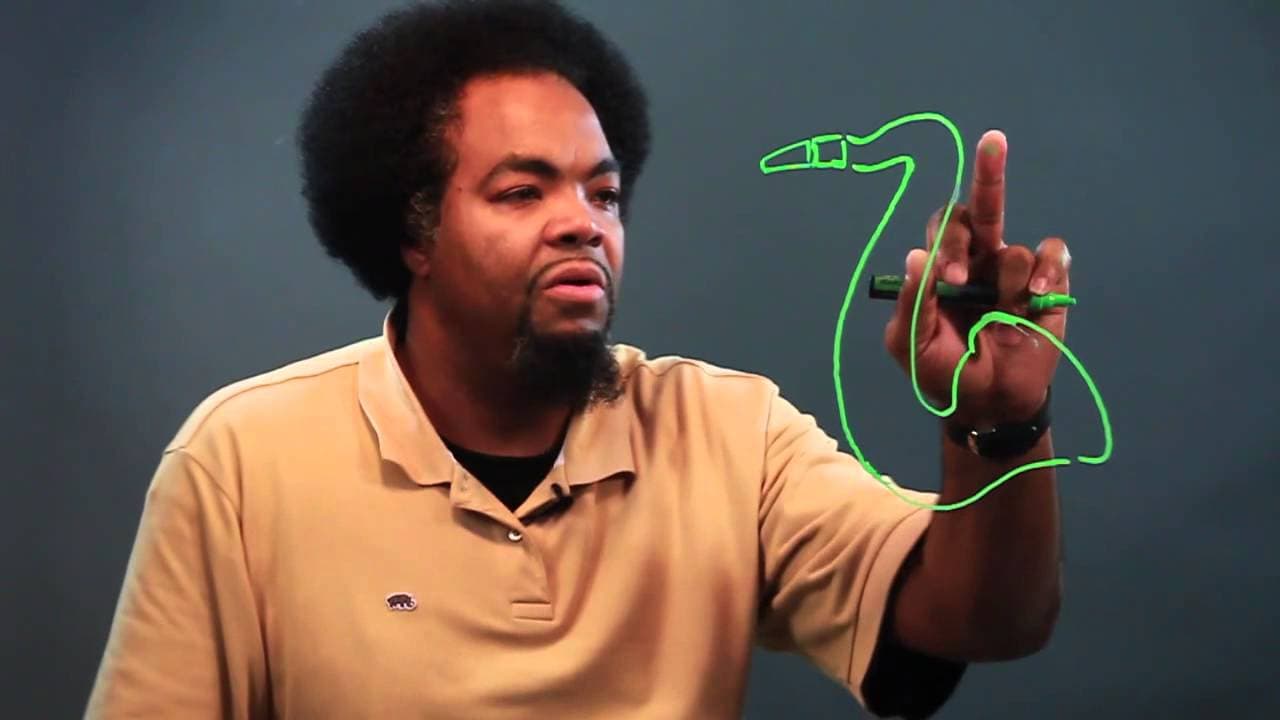
hey what's up chris here and today we're going to learn how to draw a detailed sketch of a saxophone let's get musical okay now the first thing that you and i would want to do is we're going to start with the piece that you put your mouth on so we're going to draw that piece there that's cool there's another piece that connects to it so now it's go... Read More
Key Insights
- 🎷 Drawing a saxophone starts with the mouthpiece and gradually adding the different components.
- 😨 Mistakes should not be feared, as they can always be corrected with erasers.
- 🪜 Using markers with different widths can add depth and highlights to the drawing.
- 🎹 Attention to detail, such as adding music pedals or keys, can enhance the sketch.
- 🫥 Practice and experimentation with different techniques, like curved lines, can improve the final result.
- 🫥 Adding character to the sketch with little lines and notes can give it a more jazz-inspired look.
- 🍳 Taking breaks during the drawing process can help maintain focus and avoid fatigue.
Install to Summarize YouTube Videos and Get Transcripts
Explore YouTube Video Summarizer or Get YouTube Transcript Extractor
Questions & Answers
Q: What is the first step in drawing a detailed sketch of a saxophone?
The first step is to draw the mouthpiece, using curved lines to create the shape. Don't worry about making mistakes since they can be fixed later.
Q: How can erasers be helpful in this drawing process?
Erasers are useful for correcting mistakes or refining the lines. They allow you to adjust the shape and details of the saxophone as you go along.
Q: What are the little levers called that are added to the saxophone sketch?
The little levers in the sketch are called music pedals or keys. They are used to produce different tones and notes while playing the saxophone.
Q: How can markers with different widths enhance the drawing?
Using markers with various widths adds dimension and highlights to the sketch. A wider marker can be used to create bold lines, while a narrow one can add finer details and shading.
Summary & Key Takeaways
-
This content provides a tutorial on drawing a detailed sketch of a saxophone, starting with the mouthpiece and gradually adding the different components.
-
The tutorial emphasizes the importance of not being afraid to make mistakes and using erasers to fix them.
-
It also suggests using markers with different widths to add depth and highlights to the drawing.
Read in Other Languages (beta)
Share This Summary 📚
Summarize YouTube Videos and Get Video Transcripts with 1-Click
Try YouTube Summary with ChatGPT & Claude or YouTube Transcript Generator
Explore More Summaries from ehow 📚

Summarize YouTube Videos and Get Video Transcripts with 1-Click
Try YouTube Summary with ChatGPT & Claude or YouTube Transcript Generator