What Were the Worst Disasters in History?
TL;DR
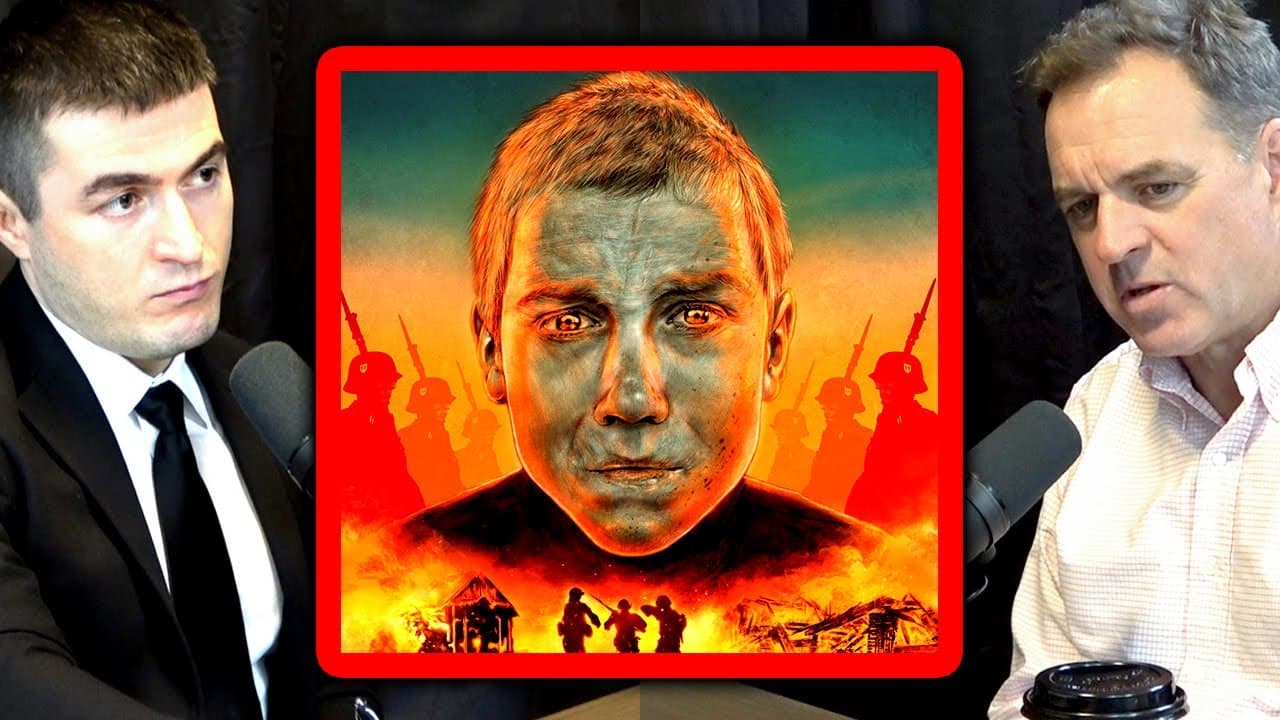
The bubonic plague of the mid-14th century and World War II stand out as the worst disasters in human history. The plague devastated populations across Eurasia, while WWII, particularly in Eastern Europe, unleashed man-made horrors on an unprecedented scale. Both events profoundly impacted the human spirit and left lasting trauma.
Transcript
in the book doom the politics of catastrophe your newest book you describe wars pandemics and the terrible disasters in human history which stands out to you as the worst in terms of how much it shook the world and the human spirit i am glad i was not around in the mid 14th century when the bubonic plague swept across eurasia as far as we can see t... Read More
Key Insights
- ☠️ The bubonic plague, with its devastating impact and high mortality rates, is considered history's worst pandemic.
- 🦡 World War II, particularly in Eastern Europe, may have been even worse due to the overwhelming sense of divine retribution and industrial-scale murder.
- 🏣 Witnessing these disasters firsthand would likely cause immense post-traumatic stress, even with guaranteed survival.
- 🖤 Other disasters, such as the reign of Justinian and the treatment of Jewish communities during the black death, contributed to humanity's most horrific experiences.
- 🎙️ More videos with Niall Ferguson:
Install to Summarize YouTube Videos and Get Transcripts
Explore YouTube Video Summarizer or Get YouTube Transcript Extractor
Questions & Answers
Q: What was considered history's worst pandemic, and why was the bubonic plague so devastating?
The bubonic plague is considered the worst pandemic due to its widespread impact across Eurasia, high mortality rates (up to 50% in some places), and the unimaginable nightmare it unleashed. People turned to extreme measures like flagellation to ward off divine punishment, leading to immense suffering.
Q: How does World War II compare to the bubonic plague in terms of being the worst disaster?
World War II, especially in Eastern Europe, may have been worse in many ways because it was a man-made catastrophe on an industrial scale. For medieval peasants, the sense of divine punishment would have been overpowering, and the accounts of horrors in works like Grossman's "Life and Fate" show the hellscape people had to endure.
Q: If given the chance to witness these disasters, how would people react after experiencing them firsthand?
It is believed that the post-traumatic stress from witnessing these disasters would be massive, even if it were just a one-day excursion with guaranteed survival. People would likely return in a state of utter shock, unable to fully comprehend the horrors they had witnessed.
Q: Were there any other disasters that could be considered runners-up to the bubonic plague and World War II?
One possible runner-up is the reign of the emperor Justinian, which had a disastrous pandemic. However, evidence suggests that it may not have been as severe as the bubonic plague. The sheer scale of death, madness, and man-made murder sets these two disasters apart.
Summary & Key Takeaways
-
The bubonic plague, with its high mortality rates and devastating impact across Eurasia, is recognized as history's worst pandemic.
-
World War II, particularly in Eastern Europe, may have been even worse due to the overwhelming sense of divine retribution and the scale of man-made murder.
-
Both disasters caused unimaginable suffering and left lasting traumatic effects on the survivors.
Read in Other Languages (beta)
Share This Summary 📚
Summarize YouTube Videos and Get Video Transcripts with 1-Click
Try YouTube Summary with ChatGPT & Claude or YouTube Transcript Generator
Explore More Summaries from Lex Clips 📚




Summarize YouTube Videos and Get Video Transcripts with 1-Click
Try YouTube Summary with ChatGPT & Claude or YouTube Transcript Generator