How Art Therapy Transforms Trauma Healing
TL;DR
Art therapy provides a powerful means for individuals to express and process trauma, bridging the gap between body, emotion, and meaning. By engaging in creative activities, people can release emotions and experiences that are otherwise difficult to articulate, leading to improved mental health and reduced symptoms of trauma.
Transcript
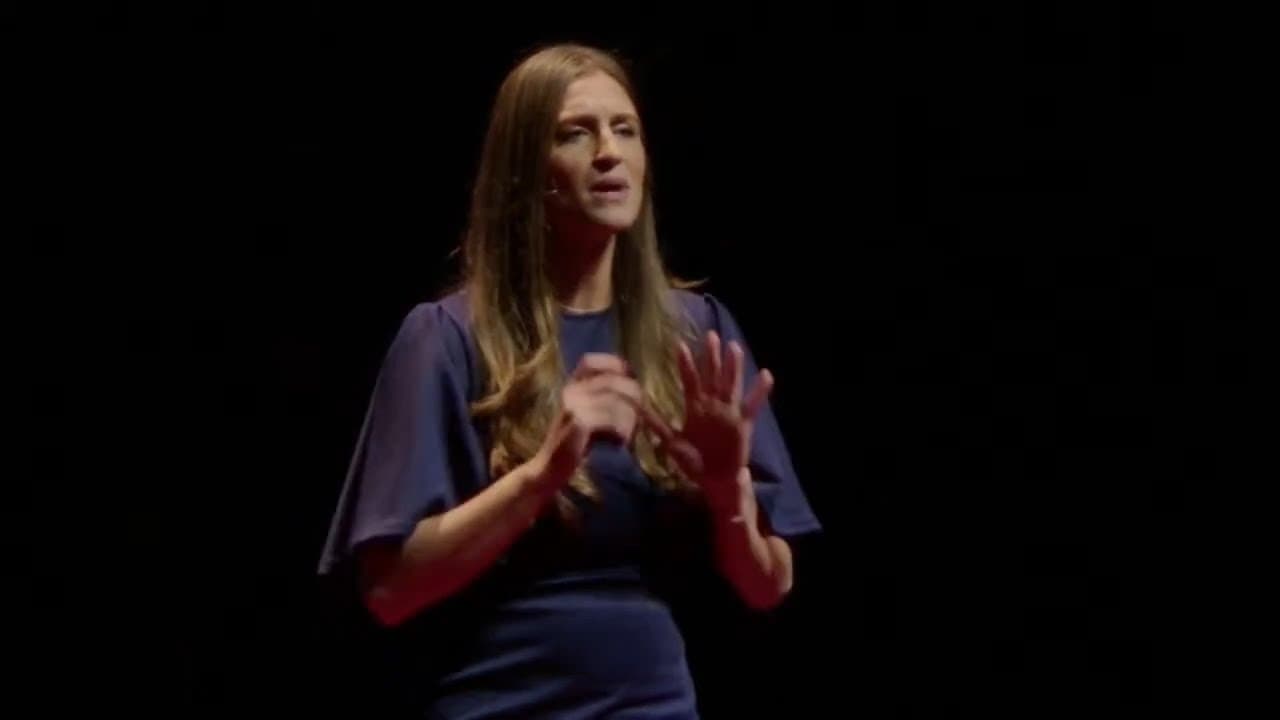
She's pressing her palm onto the piece of paper making her mark. I ask her to give it a title. She grabs her paintbrush and she writes in all caps. I need a hand. Let me back up. She's 14 years old and earlier that day she came into my office crying. Head hanging low she's disappointed. She had hurt herself again. She understands the cycle but she ... Read More
Key Insights
- Art therapy is an effective way to express and process trauma, allowing individuals to communicate emotions non-verbally.
- Trauma often manifests in the body, and art therapy helps in releasing these stored emotions and experiences.
- Engaging in the creative process can lead to a decrease in symptoms of burnout, PTSD, and body disturbances.
- Art therapy focuses on the process rather than the product, allowing for personal exploration and healing.
- The integration of art and trauma therapy can result in long-lasting positive effects on mental health.
- Creative activities can act as a form of meditation, promoting calmness and connection.
- Art therapy encourages movement between the body, emotion, and meaning, which is essential for healing trauma.
- Participants in art therapy often report a willingness to repeat the process and recommend it to others.
Install to Summarize YouTube Videos and Get Transcripts
Explore YouTube Video Summarizer or Get YouTube Transcript Extractor
Questions & Answers
Q: How does art therapy help with trauma?
Art therapy helps with trauma by providing a non-verbal means for individuals to express and process difficult emotions and experiences. Through creative activities, people can release emotions stored in the body, which facilitates healing. This process bridges the gap between the body, emotion, and meaning, promoting mental health improvements and reducing symptoms of trauma.
Q: What is the role of creativity in trauma healing?
Creativity plays a crucial role in trauma healing by allowing individuals to express emotions that are difficult to articulate verbally. Engaging in creative processes enables the release of stored trauma from the body, fostering a meditative state that promotes calmness and connection. This creative engagement can lead to significant reductions in symptoms of trauma and burnout.
Q: Why is the art-making process important in therapy?
The art-making process is important in therapy because it focuses on personal exploration and expression rather than the final product. This process allows individuals to safely explore and express difficult emotions, facilitating the release of trauma stored in the body. It encourages healing by promoting movement between the body, emotion, and meaning, which is essential for overcoming trauma.
Q: What are the benefits of art therapy for mental health?
Art therapy offers several mental health benefits, including the reduction of symptoms associated with trauma, burnout, and PTSD. By providing a non-verbal means of expression, it enables individuals to process emotions and experiences that are difficult to articulate. This form of therapy also promotes calmness, connection, and personal insight, leading to long-lasting positive mental health outcomes.
Q: How does art therapy integrate with other trauma treatments?
Art therapy integrates with other trauma treatments by complementing traditional therapeutic approaches with creative expression. It can be used alongside therapies like yoga, massage, and body therapy to enhance the healing process. By focusing on the art-making process, it helps individuals process trauma at a deeper level, promoting a holistic approach to recovery.
Q: What evidence supports the effectiveness of art therapy?
Evidence supporting the effectiveness of art therapy includes studies showing reductions in symptoms of burnout, PTSD, and body disturbances among participants. Research indicates that engaging in creative processes can lead to long-lasting mental health improvements. Additionally, participants often report a willingness to repeat the process and recommend it to others, highlighting its perceived benefits.
Q: Why is non-verbal expression important in trauma therapy?
Non-verbal expression is important in trauma therapy because it allows individuals to communicate emotions and experiences that are difficult to articulate verbally. Trauma often manifests in the body, and non-verbal expression through art therapy provides a safe outlet for releasing these stored emotions. This process facilitates healing by promoting movement between the body, emotion, and meaning.
Q: How can art therapy reduce symptoms of burnout and PTSD?
Art therapy can reduce symptoms of burnout and PTSD by providing a creative outlet for expressing and processing difficult emotions. The art-making process encourages individuals to release stored trauma from the body, promoting calmness and connection. This engagement in creative activities leads to a decrease in symptoms and contributes to overall mental health improvements.
Summary & Key Takeaways
-
Art therapy provides a unique framework for trauma healing by allowing individuals to express emotions through creative processes. This form of therapy focuses on the art-making process, which helps in releasing stored trauma from the body. Engaging in art therapy can lead to significant reductions in symptoms of burnout and PTSD.
-
The creative process in art therapy acts as a bridge between the body, emotions, and meaning, facilitating healing by restarting the movement that trauma freezes. Participants often find that art therapy provides a meditative experience, promoting calmness and connection, and leading to long-lasting mental health benefits.
-
Art therapy is shown to be effective in reducing trauma symptoms and improving mental health outcomes. By focusing on the process rather than the product, individuals can explore and express difficult emotions safely. The therapy encourages creative expression, which can be transformative for those struggling with trauma.
Read in Other Languages (beta)
Share This Summary 📚
Summarize YouTube Videos and Get Video Transcripts with 1-Click
Try YouTube Summary with ChatGPT & Claude or YouTube Transcript Generator
Explore More Summaries from TEDx Talks 📚
Summarize YouTube Videos and Get Video Transcripts with 1-Click
Try YouTube Summary with ChatGPT & Claude or YouTube Transcript Generator