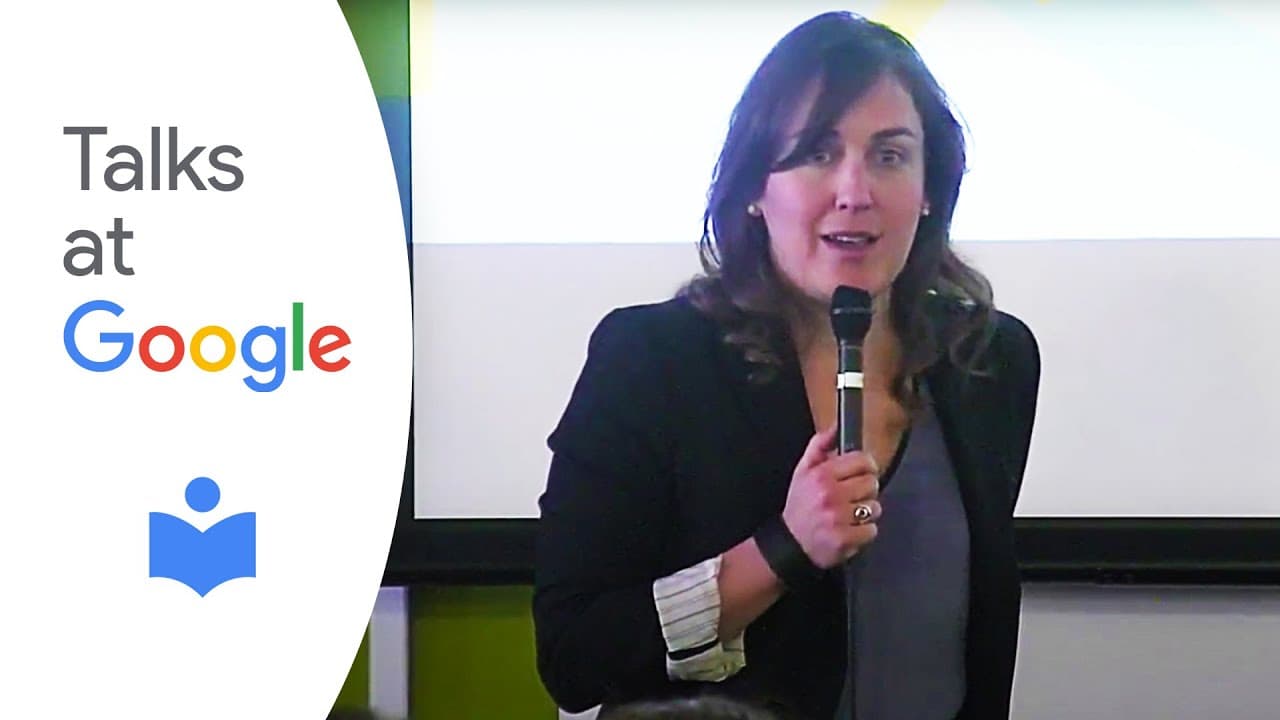
The Work Revolution | Julie Clow | Talks at Google
TL;DR
Author Julie Clow shares the lessons she learned during her time at Google and highlights the need for a work revolution that challenges traditional management practices.
Transcript
presenter: I have the honor of introducing Julie Clow; author of the Work Revolution: Freedom and Excellence for All. I know many people in the audience have the opportunity to know Julie and we all think very highly of her but I’d like to share my personal experiences with Julie in working with NGDU. It wasn’t that long that we had the opportuni... Read More
Key Insights
- 💦 The traditional 9 to 5 workday and rigid management practices are outdated and do not align with the current work environment.
- 🥺 Emphasizing impact over activities can lead to greater productivity and satisfaction in work.
- 💦 Prioritizing energy and individual strengths can improve work performance and personal well-being.
- 🥺 Grassroots decision-making and collective intelligence can lead to more innovative solutions.
- 🏆 Testing ideas and relying on data rather than presentations can improve decision-making and foster a culture of experimentation.
- 💦 A work revolution requires a shift in mindset and a willingness to challenge traditional norms and practices.
- 😃 Organizations need to create an environment that allows individuals to be their authentic selves and find joy in their work.
Install to Summarize YouTube Videos and Get Transcripts
Explore YouTube Video Summarizer or Get YouTube Transcript Extractor
Questions & Answers
Q: Why did Clow feel compelled to write a book about the work revolution?
Clow noticed that the majority of organizations adhere to outdated management practices, and she wanted to challenge these norms and encourage a new way of thinking about work.
Q: How does Clow define a work revolution?
Clow defines a work revolution as a shift in mindset and practices that prioritize freedom, excellence, and creativity in the workplace.
Q: What are the five guiding principles suggested by Clow?
The principles are: focus on impact, not activities; prioritize energy over schedules; embrace strengths instead of job slots; encourage grassroots decision-making; and test ideas instead of relying on Power Point presentations.
Q: How can individuals and organizations implement these principles?
Individuals should focus on their unique strengths, embrace their authentic selves, and be clear about the problems they aim to solve. Organizations should foster a culture of trust, encourage feedback among peers, and allow employees to have autonomy in decision-making.
Summary & Key Takeaways
-
The current corporate work environment is outdated and lacks freedom, autonomy, and excellence.
-
The traditional management practices were designed for manual labor and are not suitable for the creative and innovative work that we do today.
-
Clow suggests five guiding principles: focus on impact, not activities; prioritize energy over schedules; embrace strengths instead of job slots; encourage grassroots decision-making; and test ideas instead of relying on Power Point presentations.
Read in Other Languages (beta)
Share This Summary 📚
Summarize YouTube Videos and Get Video Transcripts with 1-Click
Try YouTube Summary with ChatGPT & Claude or YouTube Transcript Generator
Explore More Summaries from Talks at Google 📚

Summarize YouTube Videos and Get Video Transcripts with 1-Click
Try YouTube Summary with ChatGPT & Claude or YouTube Transcript Generator