Why Should We Believe in Refugees Instead of Feeling Sorry?
TL;DR
Believing in refugees, rather than feeling sorry for them, fosters empowerment and dignity. With over 65 million people forcibly displaced due to conflict and persecution, it's crucial to support their resilience and capabilities. Anti-refugee sentiment only exacerbates their suffering; our focus should be on preventing displacement and embracing their potential to rebuild their lives.
Transcript
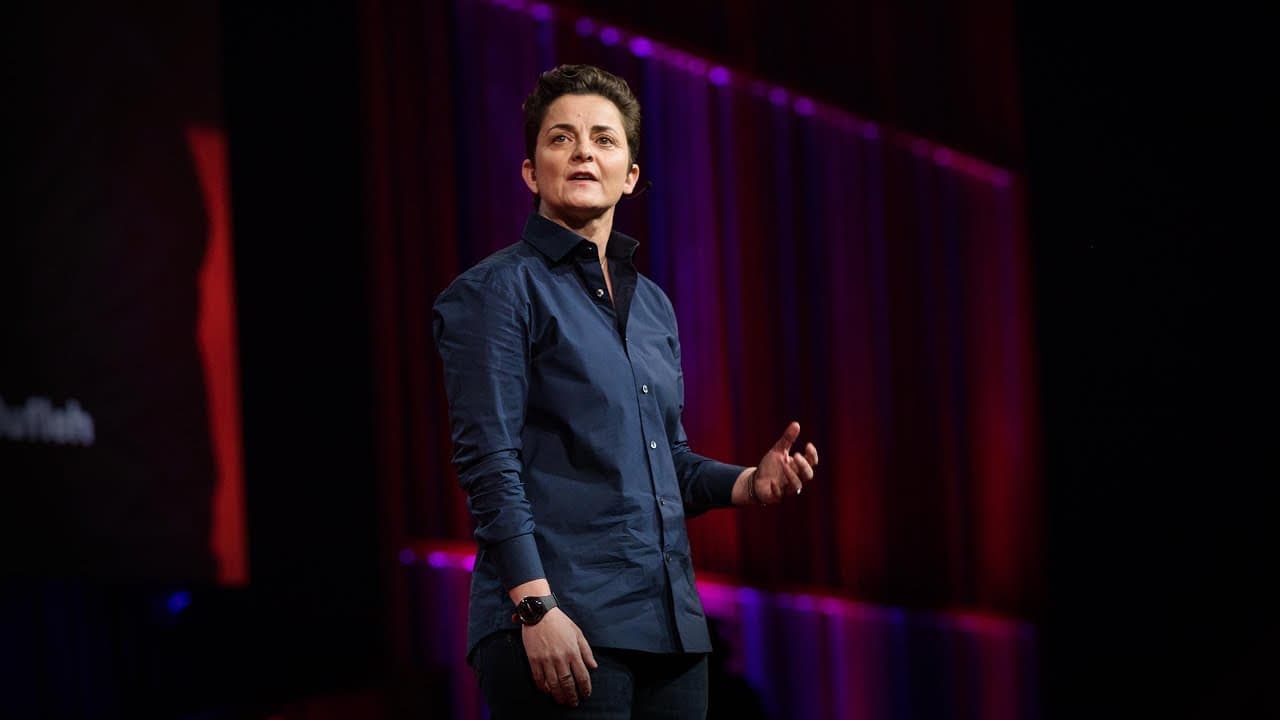
I remember when I first found out I was going to speak at a TED conference. I ran across the hall to one of my classrooms to inform my students. "Guess what, guys? I've been asked to give a TED Talk." The reaction wasn't one I quite expected. The whole room went silent. "A TED Talk? You mean, like the one you made us watch on grit? Or the one with ... Read More
Key Insights
- 😔 There are 65.3 million people forcibly displaced from their homes due to war or persecution, with 11 million being from Syria.
- 😢 Conditions in refugee camps are not humane, and the number of refugees is the highest since World War II.
- 🌍 The speaker, who is an Arab, an immigrant, a Muslim, and gay, has worked with refugees for 12 years and shares a personal connection to the issue.
- 🏠 Being forced to leave home leaves refugees feeling like they don't belong anywhere and can lead to a sense of loneliness.
- ❤️ By offering support and embracing refugees, we can help them rebuild their lives and restore their dignity.
- 🚫 Anti-refugee sentiment is on the rise globally, with refugees facing hostility, discrimination, and violence in their new countries.
- 🗣️ The speaker emphasizes the importance of speaking up against injustices faced by refugees and taking action to prevent them from being forced to leave their homes.
- 😕 The speaker reflects on the lack of progress in terms of humanity, considering the advancements in other aspects of life.
Install to Summarize YouTube Videos and Get Transcripts
Explore YouTube Video Summarizer or Get YouTube Transcript Extractor
Questions & Answers
Q: How many people are forcibly displaced from their homes due to war or persecution?
According to the video, there are 65.3 million people who have been forcibly displaced from their homes.
Q: Where do the majority of refugees come from?
The video states that the largest number of refugees, 11 million, are from Syria.
Q: What are the conditions like in refugee camps?
The video mentions that the conditions in refugee camps cannot be defined as humane under anyone's definition.
Q: How does the speaker personally connect to the issue of refugees?
The speaker, who is an Arab, an immigrant, a Muslim, and gay, shares that she is also the daughter of a refugee and has spent the last 12 years of her life working with refugees.
Summary & Key Takeaways
-
The speaker reflects on her experience of being asked to give a TED Talk and the reaction she received from her students.
-
She highlights the dire conditions faced by the 65.3 million forcibly displaced people, particularly those in refugee camps, and the importance of addressing this issue.
-
The speaker shares her personal story as a refugee and the impact it had on her identity and search for a place to call home, emphasizing the need for empathy, compassion, and acceptance towards refugees.
Read in Other Languages (beta)
Share This Summary 📚
Summarize YouTube Videos and Get Video Transcripts with 1-Click
Try YouTube Summary with ChatGPT & Claude or YouTube Transcript Generator
Explore More Summaries from TED 📚

Summarize YouTube Videos and Get Video Transcripts with 1-Click
Try YouTube Summary with ChatGPT & Claude or YouTube Transcript Generator