Could You Actually Have An Anxiety Disorder?
TL;DR
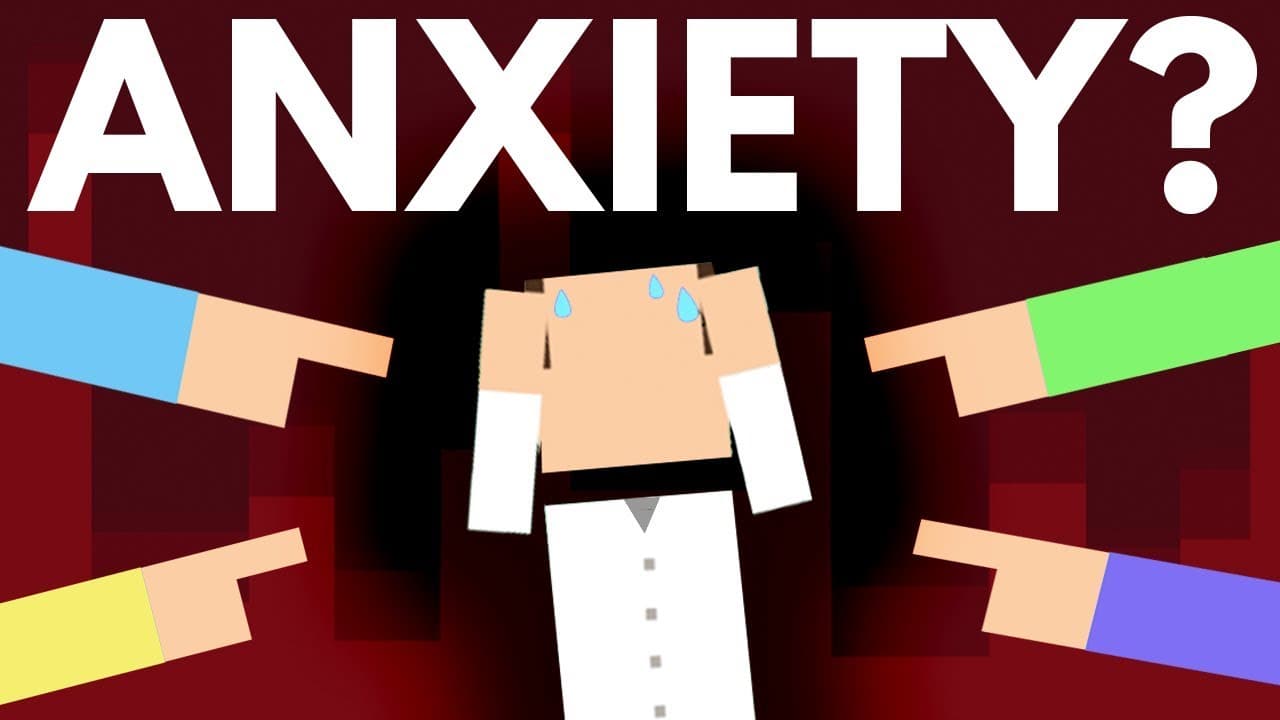
Anxiety disorders are persistent feelings of fear, worry, and panic that can significantly affect a person's everyday life; they are treatable through medication, therapy, and self-care techniques.
Transcript
Chances are, you’ve felt a bit of anxiety at one point or another. Maybe before you started a new job or before you got surgery, but some people live with anxiety disorders, which are much more persistent and severe than normal feelings of anxiety or nervousness. Almost 30% of adults will be affected by these conditions in their lifetime. Which beg... Read More
Key Insights
- 🧑 Anxiety disorders are more than normal anxiety and can significantly impact a person's daily life.
- 🧠 These disorders involve differences in brain functioning and are supported by scientific evidence.
- 😑 Traumatic experiences, genetics, and pre-existing conditions can increase the risk of developing anxiety disorders.
- 😨 Treatment options include medication, therapy, and self-care techniques.
- 🧑⚕️ Seeking help for mental health should not be stigmatized, as it is essential for overall well-being.
- 🅰️ Generalized anxiety disorder, agoraphobia, social anxiety disorder, panic disorder, and specific phobias are different types of anxiety disorders.
- 👯 Almost 30% of people with anxiety disorders do not seek treatment.
Install to Summarize YouTube Videos and Get Transcripts
Explore YouTube Video Summarizer or Get YouTube Transcript Extractor
Questions & Answers
Q: What are anxiety disorders, and how are they different from normal anxiety?
Anxiety disorders involve persistent and severe feelings of fear, worry, and panic, which significantly impact a person's daily life. Unlike normal anxiety, they are not simply overreactions and are supported by scientific evidence.
Q: How do anxiety disorders affect the brain and body?
Anxiety disorders are characterized by differences in brain functioning, particularly in emotional centers versus higher cognitive centers. These differences lead to physical symptoms such as rapid heart rate, increased breathing, and tense muscles.
Q: What are the potential causes of anxiety disorders?
While the exact causes are not fully understood, factors such as genetics, traumatic experiences, and pre-existing conditions can increase the risk of developing an anxiety disorder.
Q: How can anxiety disorders be treated?
Treatment options for anxiety disorders include medication (benzodiazepines and antidepressants), therapy (cognitive behavioral therapy), and self-care techniques like exercise, meditation, and avoiding substances like alcohol, drugs, and caffeine.
Summary & Key Takeaways
-
Anxiety disorders are more severe and persistent than normal feelings of anxiety, affecting almost 30% of adults in their lifetime.
-
People with anxiety disorders experience excessive fear, worry, and panic in everyday life, leading to difficulties in concentration, fatigue, and other physical symptoms.
-
These disorders are rooted in differences in brain functioning and can be triggered by genetics, traumatic experiences, and other factors.
Read in Other Languages (beta)
Share This Summary 📚
Summarize YouTube Videos and Get Video Transcripts with 1-Click
Try YouTube Summary with ChatGPT & Claude or YouTube Transcript Generator
Explore More Summaries from Life Noggin 📚





Summarize YouTube Videos and Get Video Transcripts with 1-Click
Try YouTube Summary with ChatGPT & Claude or YouTube Transcript Generator