How to Recover from a Bad Fitness Coach Experience

TL;DR
To recover from the damage caused by a bad fitness coach, focus on healing your body by eating whole, natural foods, avoiding excessive cardio, and prioritizing resistance training. Rebuild your metabolism by gradually increasing caloric intake without focusing on weight gain or muscle growth. Seek support from a therapist specializing in eating disorders or body image issues for best results.
Transcript
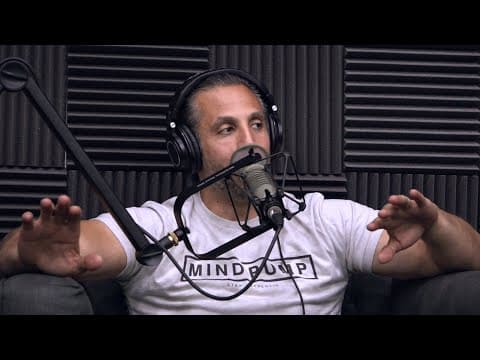
our next caller is shannon from pennsylvania hey shannon how can we help you hey guys how are you good good good it's amazing to be on here today i listen to you guys every day i never miss an episode oh thank you um so i'll just jump into it so my question is about building my metabolism um so a little background two years ago i competed in my fir... Read More
Key Insights
- A bad fitness coach can cause long-term damage to metabolism and body image.
- Rebuilding metabolism requires a focus on whole, natural foods and avoiding processed foods.
- Excessive cardio should be replaced with moderate walking and resistance training.
- Gradually increasing caloric intake is essential to restore metabolic health.
- Avoid focusing on weight gain or muscle gain during the recovery process.
- Therapy for eating disorders or body image issues can lead to better physical results.
- Tracking protein intake is useful, but avoid strict calorie or macro counting.
- Online fitness coaching can be harmful if not approached with caution.
Install to Summarize YouTube Videos and Get Transcripts
Explore YouTube Video Summarizer or Get YouTube Transcript Extractor
Questions & Answers
Q: How to recover from a bad fitness coaching experience?
To recover, focus on healing your body by eating whole, natural foods and avoiding processed foods. Reduce excessive cardio and prioritize resistance training. Gradually increase your caloric intake to restore metabolic health, and seek support from a therapist specializing in eating disorders or body image issues for comprehensive recovery.
Q: What are the dangers of extreme fitness coaching?
Extreme fitness coaching can lead to long-term damage to metabolism, body image issues, and unhealthy relationships with food and exercise. It often involves excessive cardio, severe calorie restriction, and a focus on aesthetics over health, which can result in physical and mental health problems.
Q: Why is therapy recommended for fitness recovery?
Therapy is recommended because it addresses underlying issues such as eating disorders and body image concerns, which are often exacerbated by extreme fitness coaching. A therapist specializing in these areas can help individuals develop a healthier relationship with food and their bodies, leading to better physical and mental health outcomes.
Q: How to rebuild metabolism after a restrictive diet?
Rebuild metabolism by gradually increasing caloric intake, focusing on whole, natural foods, and avoiding processed foods. Reduce excessive cardio and engage in regular resistance training. It's important to avoid focusing on weight gain or muscle gain during this process and to be patient, as recovery can take time.
Q: What role does protein intake play in fitness recovery?
Protein intake is crucial for maintaining muscle mass and supporting metabolic recovery. Aim to consume adequate protein with each meal, but avoid strict calorie or macro counting. Consistent protein intake helps repair tissues and supports overall health during the recovery process.
Q: Why avoid excessive cardio during fitness recovery?
Excessive cardio can exacerbate metabolic damage and hinder recovery by stressing the body. During fitness recovery, it's important to focus on moderate activities like walking and prioritize resistance training, which supports muscle health and metabolic function without the negative effects of prolonged cardio.
Q: How can online fitness coaching be harmful?
Online fitness coaching can be harmful if it promotes extreme dieting, excessive exercise, and a focus on aesthetics over health. Without proper oversight, individuals may follow harmful advice that leads to metabolic damage, mental health issues, and an unhealthy relationship with food and exercise.
Q: What is a holistic approach to fitness recovery?
A holistic approach involves addressing both physical and mental health aspects. It includes eating a balanced diet of whole foods, engaging in appropriate exercise like resistance training, avoiding excessive cardio, and seeking therapy for eating disorders or body image issues. This comprehensive method supports long-term health and well-being.
Summary & Key Takeaways
-
Recovering from damage caused by a bad fitness coach involves focusing on whole foods, reducing cardio, and emphasizing resistance training. Gradual caloric increase is key to restoring metabolism, while avoiding focus on weight or muscle gain. Therapy for eating disorders or body image issues can enhance physical results.
-
Shannon's story highlights the dangers of extreme fitness coaching, emphasizing the need for a balanced approach to health and fitness. The focus should be on healing the body and mind, with support from professionals specializing in eating disorders.
-
The video stresses the importance of prioritizing health over aesthetics, warning against the risks of online fitness coaching. It advocates for a holistic approach to fitness recovery, including therapy and a focus on sustainable lifestyle changes.
Read in Other Languages (beta)
Share This Summary 📚
Summarize YouTube Videos and Get Video Transcripts with 1-Click
Try YouTube Summary with ChatGPT & Claude or YouTube Transcript Generator
Explore More Summaries from Mind Pump Show 📚

Summarize YouTube Videos and Get Video Transcripts with 1-Click
Try YouTube Summary with ChatGPT & Claude or YouTube Transcript Generator