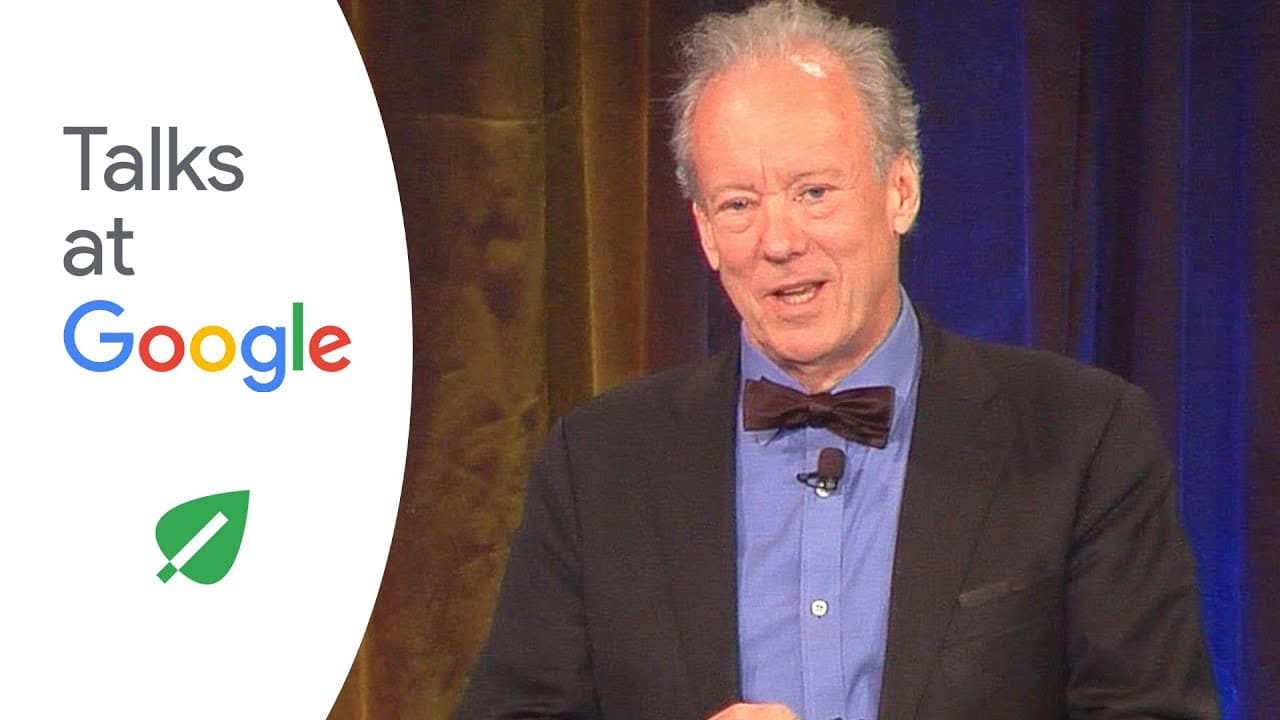
Design as Optimism | William McDonough | Talks at Google
TL;DR
Bill McDonough, renowned architect and author, discusses the importance of designing for a better future, focusing on sustainability, circular economy, and the well-being of future generations.
Transcript
[MUSIC PLAYING] MARY DAVIDGE: Good morning. I'm Mary Davidge. I am the director of campus design in REWS. And this morning I have the great pleasure and honor of introducing Bill McDonough. Bill is a visionary. He's an amazing optimist. And beyond that he has had an architectural practice and consulting practice-- McDonough Innovation for over 40 y... Read More
Key Insights
- 🖐️ Design plays a crucial role in shaping a better future, with a focus on sustainability, circular economy, and the health and well-being of future generations.
- 🤩 Shifting from a mindset of being less bad to designing for the good is key in creating positive change.
- 👶 Designing with optimism for children and future generations is a powerful motivator for creating a better world.
- 🎨 Building a circular economy, designing with safe and healthy materials, and utilizing renewable energy are essential in designing for good.
- 🌍 Emphasizing the importance of relationships and connections with the natural world can drive sustainable and meaningful design decisions.
- 🪛 The economics of sustainability and the economic benefits of renewable energy solutions are becoming increasingly attractive and can drive widespread change.
Install to Summarize YouTube Videos and Get Transcripts
Explore YouTube Video Summarizer or Get YouTube Transcript Extractor
Questions & Answers
Q: How does design play a role in creating a better world?
Design is the first signal of human intention, and it allows us to align our actions and creations with the goal of making the world a better place. By consciously designing for good, we can improve the well-being of future generations and ensure sustainability.
Q: What is the significance of design as optimism?
Designing with optimism means keeping in mind the needs and joys of future generations, particularly children. By designing with their health and happiness in mind, we can work towards creating a world that is better for them.
Q: How can individuals contribute to a circular economy and sustainable living in their daily lives?
Individuals can contribute to a circular economy by focusing on reducing waste and making sustainable choices in their daily lives. This can include actions such as recycling, reducing single-use items, supporting brands that prioritize sustainability, and being conscious of the materials and products we use.
Q: Is there a way to make sustainability and environmental consciousness more accessible to the general public?
To make sustainability more accessible, it is important to communicate in a way that resonates with people's values and emotions. By highlighting the benefits of sustainability, such as better health, a cleaner environment, and economic opportunities, we can inspire and engage more people in positive change.
Summary & Key Takeaways
-
Bill McDonough emphasizes the significance of design as a way to create a better world, particularly keeping in mind the needs and health of future generations.
-
McDonough promotes the idea of designing for the good, rather than simply trying to be less bad, by focusing on creating safe and healthy materials, a circular economy, renewable energy, clean water, and good lives.
-
He emphasizes the importance of changing the way we see and act, starting from our values and intentions and translating them into real-life actions that align with a positive future.
Read in Other Languages (beta)
Share This Summary 📚
Summarize YouTube Videos and Get Video Transcripts with 1-Click
Try YouTube Summary with ChatGPT & Claude or YouTube Transcript Generator
Explore More Summaries from Talks at Google 📚
Summarize YouTube Videos and Get Video Transcripts with 1-Click
Try YouTube Summary with ChatGPT & Claude or YouTube Transcript Generator