How to Protect Your Computer from Malware and Data Loss
TL;DR
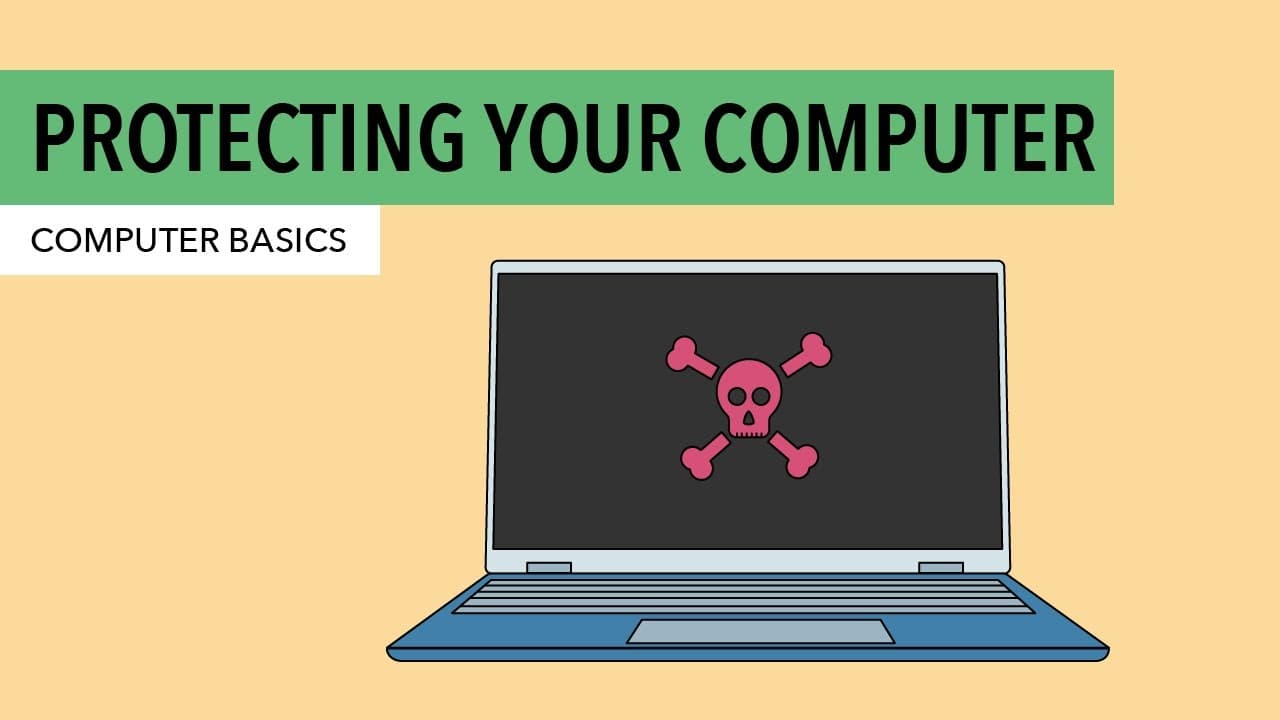
To protect your computer from malware and data loss, use reliable antivirus software, regularly update it and your operating system, and back up your files. Consider utilizing online backup services for added security. Features like Windows Storage Sense and drive optimization can also help maintain your computer's performance.
Transcript
we rely on our computers for many different things we trust them to keep our information safe including our files and personal data that's why it's important to protect your computer and do your best to keep it running smoothly here are some tips that can help one of the biggest threats to computer safety is malware malware is any type of software ... Read More
Key Insights
- 🦺 Malware, such as viruses and spyware, poses a significant threat to computer safety.
- 💻 Using reliable antivirus software and regularly updating it is essential for protecting your computer.
- 💻 Windows offers features like Storage Sense and Defragment and Optimize Drives to optimize computer performance.
Install to Summarize YouTube Videos and Get Transcripts
Explore YouTube Video Summarizer or Get YouTube Transcript Extractor
Questions & Answers
Q: What is malware, and why is it dangerous?
Malware refers to any software designed to damage your computer or gain unauthorized access to your personal information. It includes viruses, spyware, trojan horses, and other malicious programs. Malware can compromise your computer's security and privacy, leading to data loss or unauthorized access to sensitive information.
Q: How can I protect my computer from malware?
To protect your computer, use antivirus software like Kaspersky, Norton, or Windows Defender. These programs prevent malware installation and allow you to scan and remove viruses. However, no antivirus program is perfect, so it's essential to avoid suspicious ads or downloads and regularly update your antivirus program and operating system.
Q: How can I optimize my computer's performance?
On Windows, the latest version offers features like Storage Sense and Defragment and Optimize Drives. Storage Sense scans for and deletes temporary and unnecessary files to free up space. Defragment and Optimize Drives rearranges data on your hard drive to improve efficiency. Check their settings or schedule them in the system settings. Older versions of Windows have a similar feature called Disk Cleanup.
Q: How can I ensure my files are safe in case something happens to my computer?
Regularly backing up your computer is crucial. You can buy an external hard drive and manually copy your files to it. Alternatively, use software like Windows Backup or Time Machine (for Mac) to automate the process. For added security, online backup services like iDrive or Carbonite store your files in the cloud, protecting them even if something happens to your computer or backup drive.
Summary & Key Takeaways
-
Malware is a significant threat to computer safety and includes viruses, spyware, trojan horses, and other malicious software.
-
Use antivirus programs like Kaspersky, Norton, or Windows Defender to prevent malware installation and scan for and remove viruses.
-
Regularly update your antivirus program and operating system to ensure smooth functioning.
-
Back up your computer regularly using external hard drives or online backup services like iDrive or Carbonite.
Read in Other Languages (beta)
Share This Summary 📚
Summarize YouTube Videos and Get Video Transcripts with 1-Click
Try YouTube Summary with ChatGPT & Claude or YouTube Transcript Generator
Explore More Summaries from LearnFree 📚

Summarize YouTube Videos and Get Video Transcripts with 1-Click
Try YouTube Summary with ChatGPT & Claude or YouTube Transcript Generator