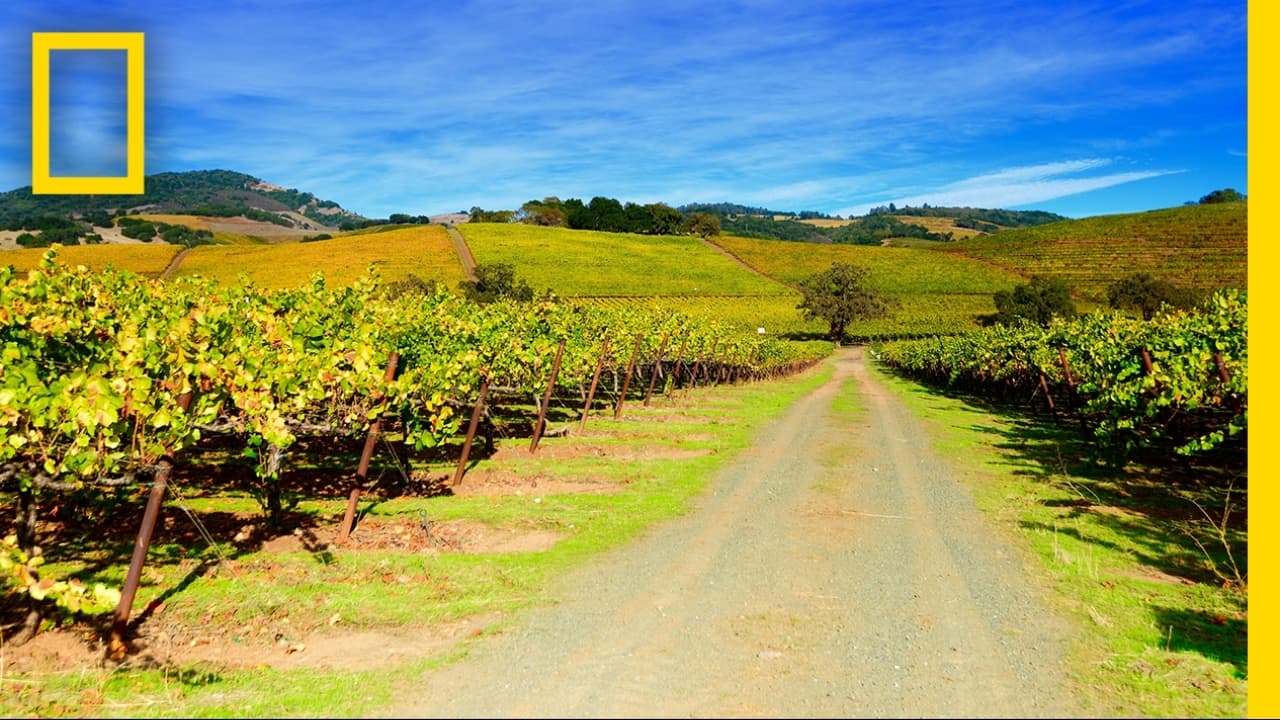
Photo Walk in Napa Valley | National Geographic
TL;DR
National Geographic photographer Ben Horton shares tips and tricks to capture great photos in nature, including finding the right light, deciding what to leave out of a picture, and capturing details and patterns in the environment.
Transcript
hi everybody I'm Ashley Kalina thanks for joining us again we're here in beautiful Napa Valley forget Outdoors day and we are here with National Geographic and our friends at Nature Valley I'm joined by Ben Horton the wonderful photographer he's going to show you guys some tips and tricks to take better photos in your own world thanks for joining u... Read More
Key Insights
- 🙂 The right light is crucial for capturing great photos in nature.
- 🖼️ Deciding what to exclude from a picture is just as important as what to include.
- 👤 Details, patterns, and silhouettes can add depth and interest to nature photography.
- 🎥 Using different lenses and camera settings can help capture a variety of creative shots.
- 👻 Shooting in raw format allows for more flexibility in editing and enhancing images.
- 🥺 Experimenting and taking risks can lead to unique and amazing photos.
- 💦 Sharing photos with platforms like National Geographic can inspire others and showcase your work.
Install to Summarize YouTube Videos and Get Transcripts
Explore YouTube Video Summarizer or Get YouTube Transcript Extractor
Questions & Answers
Q: What lens does Ben Horton recommend for nature photography?
Ben recommends using a 24-70mm lens for versatile and creative landscape photography. He also suggests using prime lenses for a unique perspective and getting closer to the subject.
Q: How does Ben decide what to leave out of a picture?
Ben explains that in photography, it is often more important to decide what to exclude from a picture rather than what to include. By focusing on specific details, patterns, and using light creatively, he creates impactful images.
Q: How does Ben capture details in nature, like ferns?
Ben suggests using macro lenses to capture intricate details in small subjects like ferns. He also advises starting wide and slowly working towards the desired detail, experimenting with different angles and perspectives.
Q: Is it necessary to edit all photos, especially when shooting in raw format?
Ben recommends shooting in raw format and editing photos afterward to bring out the best colors, contrast, and details. However, the editing process should be used to enhance the image while maintaining a natural and authentic look.
Summary & Key Takeaways
-
Photographer Ben Horton shares his process for capturing great photos in beautiful places, such as Napa Valley.
-
He emphasizes the importance of finding the right light and deciding what to leave out of a picture to create a compelling image.
-
Ben demonstrates how to capture details, patterns, and silhouettes in nature, such as ferns, redwoods, and waterfalls, using different lenses and camera settings.
Read in Other Languages (beta)
Share This Summary 📚
Summarize YouTube Videos and Get Video Transcripts with 1-Click
Try YouTube Summary with ChatGPT & Claude or YouTube Transcript Generator
Explore More Summaries from National Geographic 📚


Summarize YouTube Videos and Get Video Transcripts with 1-Click
Try YouTube Summary with ChatGPT & Claude or YouTube Transcript Generator