3 Tips To Make AVERAGE Places Look AMAZING!
TL;DR
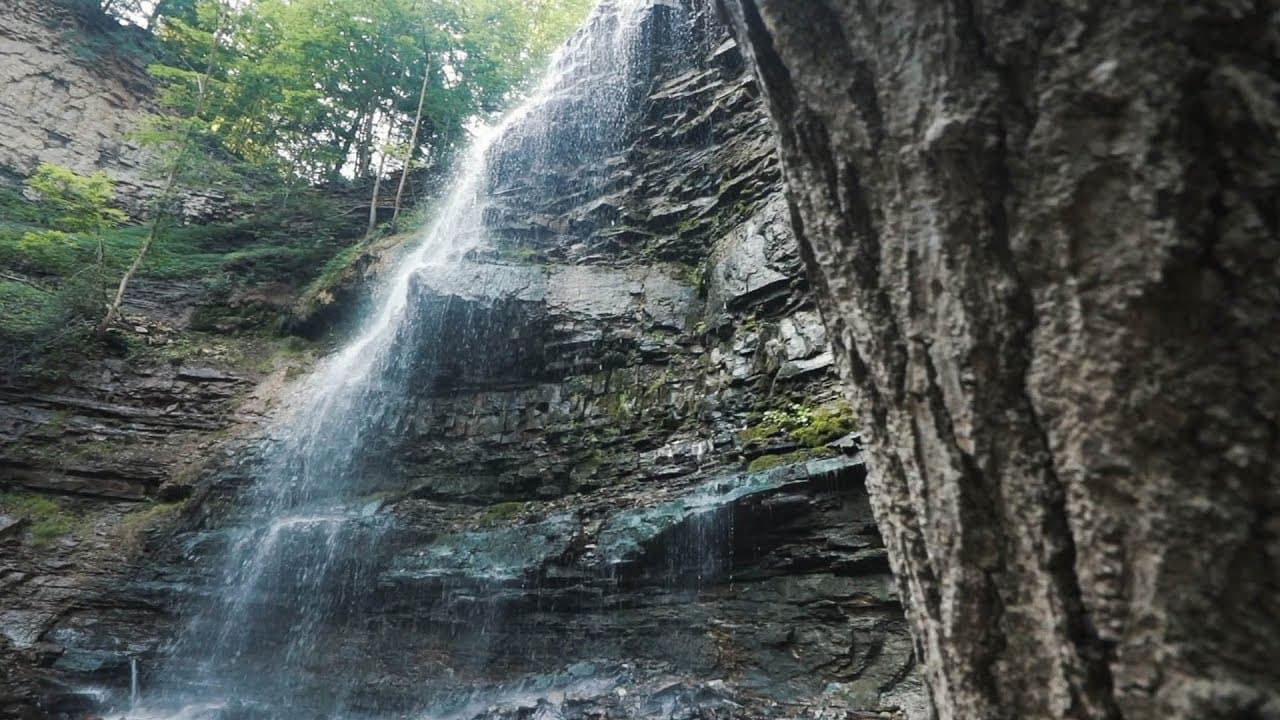
Learn effective techniques to transform ordinary video locations into visually appealing footage.
Transcript
all right you see what is going on guys David Hammond beautiful mother nature and in today's tutorial we're speaking of how to make average looking places look better look more aesthetic and what I mean average I mean they're just that they're average they're not completely ugly but they're not beautiful by any means they're just maybe you're in a ... Read More
Key Insights
- 📌 Creative framing can make average locations more visually appealing by introducing layers of depth to compositions.
- 😚 Close-up shots can reveal intricate details, making ordinary scenes feel unique and captivating for viewers.
- 🥌 Color grading can transform video footage by enhancing the emotional tone and atmosphere conveyed through visual elements.
- 🏛️ Utilizing different environmental features, such as foliage or buildings, can add interest to videography and improve storytelling.
- 🥺 Taking risks with unconventional angles or perspectives can lead to more dynamic and engaging video content.
- ❓ Filmmakers should practice regularly with different techniques to develop their skills and confidence in capturing better visuals.
- 🦮 Understanding the emotional impact of color can guide filmmakers in making informed grading choices for their footage.
Install to Summarize YouTube Videos and Get Transcripts
Explore YouTube Video Summarizer or Get YouTube Transcript Extractor
Questions & Answers
Q: What does David mean by "adding layers of depth" in videography?
Adding layers of depth refers to the technique of using foreground elements to create a more dimensional and engaging visual composition. By positioning the camera behind objects like logs or pillars, videographers can achieve reveal shots that draw the viewer's eye into the scene, making it feel more inviting and interesting.
Q: Why are close-up shots important in enhancing video content?
Close-up shots are significant because they allow viewers to observe details that may be overlooked in wider shots. By zooming in on textures, colors, or intricate details, filmmakers can create a more intimate connection with the subject, thereby capturing the audience's attention and elevating the aesthetic quality of average locations.
Q: What is color grading, and why is it beneficial for video footage?
Color grading is the process of altering the colors, contrast, and overall mood of video footage. This technique enhances the visual appeal of a scene by manipulating the tones and hues to elicit emotional responses from viewers. For example, warming up the colors in a shot can convey a sense of comfort, making an average day appear more inviting and beautiful.
Q: How can filmmakers overcome their intimidation regarding color grading?
Filmmakers can overcome intimidation by recognizing that color grading can be a straightforward process when broken down into manageable steps. Starting with simple adjustments like enhancing warmth or altering contrast can help build confidence. There are also many online tutorials and software designed to simplify color grading, making it an approachable skill to master.
Summary & Key Takeaways
-
David Hammond shares techniques to enhance average-looking locations in video content, focusing on aesthetics.
-
The first tip emphasizes adding layers of depth through creative framing and positioning to create more engaging visuals.
-
The second tip encourages filmmakers to capture intimate close-up shots to highlight textures and details that might otherwise go unnoticed.
Read in Other Languages (beta)
Share This Summary 📚
Summarize YouTube Videos and Get Video Transcripts with 1-Click
Try YouTube Summary with ChatGPT & Claude or YouTube Transcript Generator
Explore More Summaries from davidhammond 📚



Summarize YouTube Videos and Get Video Transcripts with 1-Click
Try YouTube Summary with ChatGPT & Claude or YouTube Transcript Generator