What Is the Case for Copying in Art?
TL;DR
Copying in art serves as a means for artists to train, innovate, and signify influence while navigating historical contexts. Appropriation art challenges traditional notions of authorship and originality by demonstrating how copied images can create new meanings and highlight the power dynamics in the art world. Ultimately, the context of a copy shifts its meaning, emphasizing the ongoing dialogue in artistic creation.
Transcript
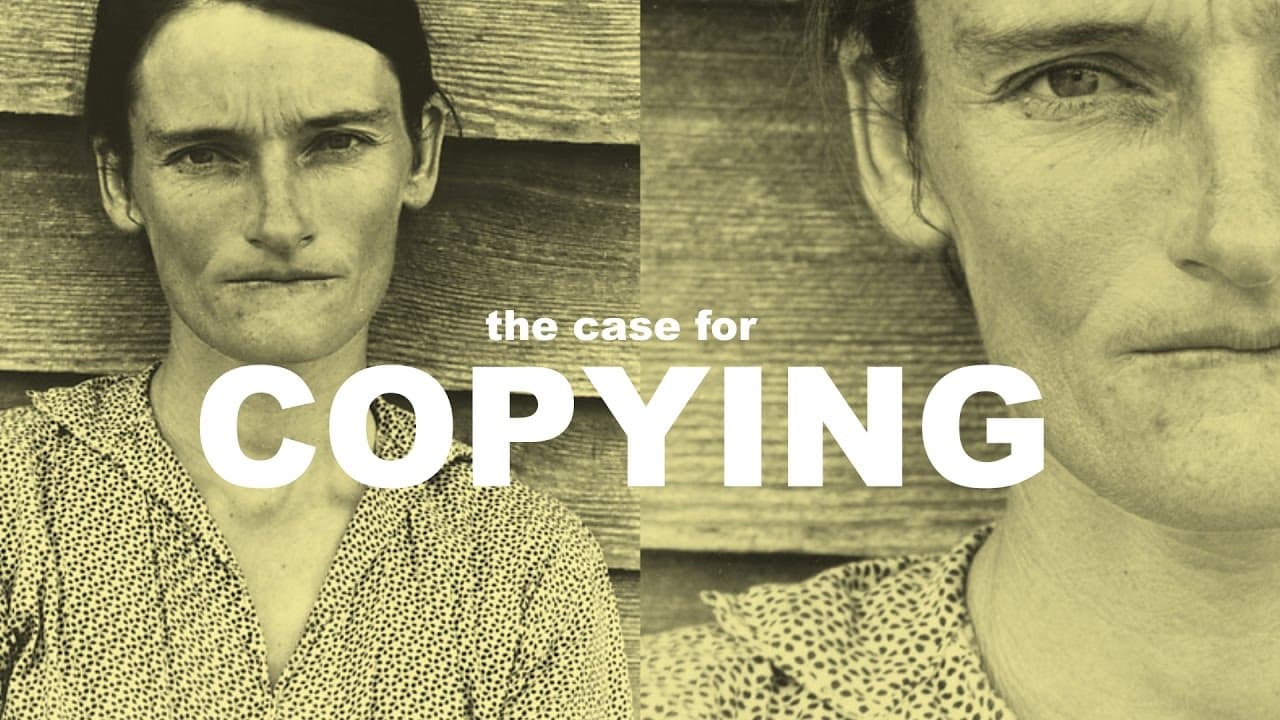
NARRATOR: This is a photograph by Walker Evans. And this is a photograph by Sherry Levine. Walker Evans' photograph dates from 1936, when he was hired by the Farm Security Administration to document the American South in the wake of the Great Depression. Sherry Levine's was taken in 1981 from a reproduction of the Evans photograph, as part of a ser... Read More
Key Insights
- 🥰 Copying has been a practice in art since ancient times, being used for training, innovation, influence, and reworking artistic subjects.
- 🥰 Appropriation art seeks to understand how images in our surroundings shape our psyche and collective life, while Pop Art reflects the ubiquity of mass media.
- ✊ Copying challenges concepts of authorship and originality, revealing the power dynamics involved in determining artistic value.
- 🛀 The context of images is integral to their meaning, and copying shows that the meanings of artworks are constantly shifting and fresh.
Install to Summarize YouTube Videos and Get Transcripts
Explore YouTube Video Summarizer or Get YouTube Transcript Extractor
Questions & Answers
Q: What is the difference between Walker Evans' photographs and Sherry Levine's reproductions?
Walker Evans' photographs are iconic representations of the Great Depression, while Sherry Levine's reproductions are a part of her series titled "After Walker Evans". While Evans' photographs show us the face of the Depression, Levine's work raises questions about the nature of copying and its artistic value.
Q: Why do artists copy existing images?
Artists copy for various reasons, including training their hand, demonstrating stylistic innovation, signaling influence from other artworks, claiming prestige, reworking artistic subjects for their time, and suggesting new ways to navigate history. Copying allows artists to engage with and reinterpret existing imagery and traditions.
Q: How does Appropriation art differ from Pop Art?
Appropriation art, like certain strands of Dada and Surrealism, seeks to understand how images in our surroundings inform our psyche and create a basis for collective life. It highlights the value conferred on mundane objects by an artist's gesture of selection, drawing attention to institutions dependent on ideas of originality. Pop Art, on the other hand, reflects the ubiquity of mass media and often holds up a mirror to it.
Q: What is the significance of copying in challenging concepts of authorship and originality?
Copying in art challenges the idea of the originating genius and highlights the power dynamics involved in determining what is considered authentic and original. It reveals that the meaning and value of artworks are influenced by structures of power and the context in which they exist.
Summary & Key Takeaways
-
The video discusses the difference between Walker Evans' iconic and indisputable photographs of the American South during the Great Depression and Sherry Levine's photographs, which are reproductions of Evans' work.
-
It explores the prevalence of copying in recent art and questions whether it is a confession of creative inadequacy or a concept masquerading as opportunism.
-
The video also delves into the history of artists copying each other and using existing imagery and traditions to navigate history and create new meanings.
Read in Other Languages (beta)
Share This Summary 📚
Summarize YouTube Videos and Get Video Transcripts with 1-Click
Try YouTube Summary with ChatGPT & Claude or YouTube Transcript Generator
Explore More Summaries from The Art Assignment 📚
Summarize YouTube Videos and Get Video Transcripts with 1-Click
Try YouTube Summary with ChatGPT & Claude or YouTube Transcript Generator