What It Takes to Keep America Beautiful | Podcast | Overheard at National Geographic
TL;DR
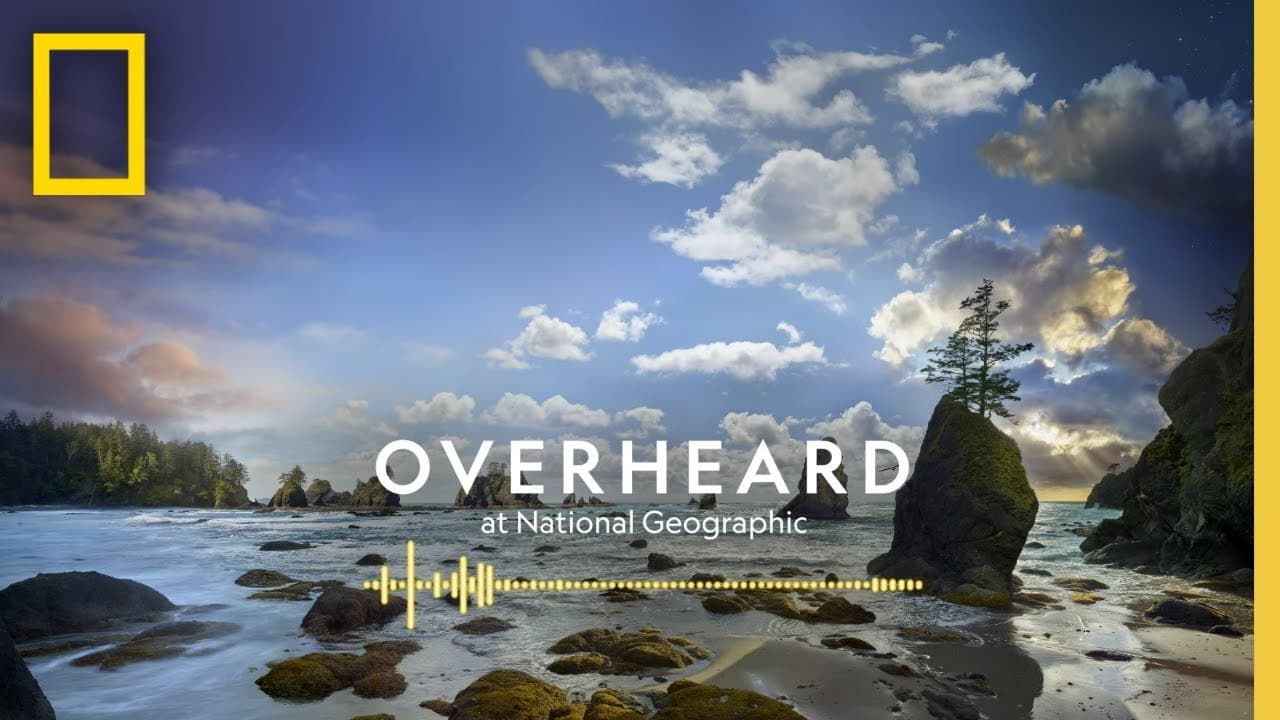
National Geographic photographer Stephen Wilkes captures the stunning beauty of Shai-shai, a remote beach in Olympic National Park with towering sea stacks and caves.
Transcript
when we got in and we were on the beach the first thing you notice is the dramatic you know uh sea sacks that from a distance just you know they look like mountain ranges almost but they're so close in may 2022 national geographic photographer stephen wilkes documented one of america's most beautiful places shaishai a very remote breathtaking beach... Read More
Key Insights
- 🐚 Shai-shai beach in Olympic National Park features remarkable sea stacks with trees growing out of them and caves within them, making it a unique and awe-inspiring sight.
- 🤙 The beach is historically managed by the Makah Nation, who have called the area home for over 3,800 years.
- 🙂 Capturing the dynamic light at Shai-shai required skill and perseverance, as Stephen Wilkes spent hours balancing on an uneven rock to get the elevation needed for his photographs.
- 🥳 The day-to-night photograph of Shai-shai captures the changing colors of the sky, from pink clouds at dawn to a starry indigo sky at night, showcasing the simple grandeur of a full day at the beach.
- 🧑⚕️ Indigenous communities, like the Makah, have long practiced sustainable land management, contributing to the health and diversity of ecosystems.
- 😀 The Klamath River basin, located nearby, faces water scarcity and ecological challenges, requiring careful navigation of competing interests and conservation efforts.
- ❓ Conservation should prioritize maintaining possibilities and relationships with other species, rather than striving for a humanless wilderness ideal.
Install to Summarize YouTube Videos and Get Transcripts
Explore YouTube Video Summarizer or Get YouTube Transcript Extractor
Questions & Answers
Q: What makes Shai-shai beach unique?
Shai-shai beach stands out due to its towering sea stacks, some over 100 feet tall, which are adorned with trees and caves, making it a breathtaking sight to behold.
Q: How did Stephen Wilkes capture the iconic day-to-night photograph of Shai-shai?
Wilkes took 1600 frames over several hours from mid-afternoon through sunset and sunrise. He later stitched together 46 frames to create a single image depicting an entire day at Shai-shai.
Q: Who historically managed the beach at Shai-shai?
The Makah Nation, who have lived near Nia Bay for over 3,800 years, historically managed the beach. The name Shai-shai derives from the Makah word for smelt, a small silver fish that the Makah caught at the beach.
Q: What challenges did Stephen Wilkes and his team face while capturing images at Shai-shai?
Wilkes and his team had to hike for four hours through the Olympic wilderness, trudge through mud up to their shins, balance on uneven rocks, and endure unpredictable weather conditions, including 17-foot swells and 50-mile per hour winds.
Summary & Key Takeaways
-
National Geographic photographer Stephen Wilkes documents the beauty of Shai-shai, a remote beach in Olympic National Park, known for its dramatic sea stacks and caves.
-
The beach is historically managed by the Makah Nation and is home to the Makah word for smelt, which translates to Shai-shai.
-
Wilkes and his team faced challenges, including a four-hour hike through the rainforest, mud trudging, and balancing on uneven rocks to capture the perfect shots.
Read in Other Languages (beta)
Share This Summary 📚
Summarize YouTube Videos and Get Video Transcripts with 1-Click
Try YouTube Summary with ChatGPT & Claude or YouTube Transcript Generator
Explore More Summaries from Podcast | Overheard at National Geographic 📚




Summarize YouTube Videos and Get Video Transcripts with 1-Click
Try YouTube Summary with ChatGPT & Claude or YouTube Transcript Generator