How to Maintain Fitness Year-Round
TL;DR
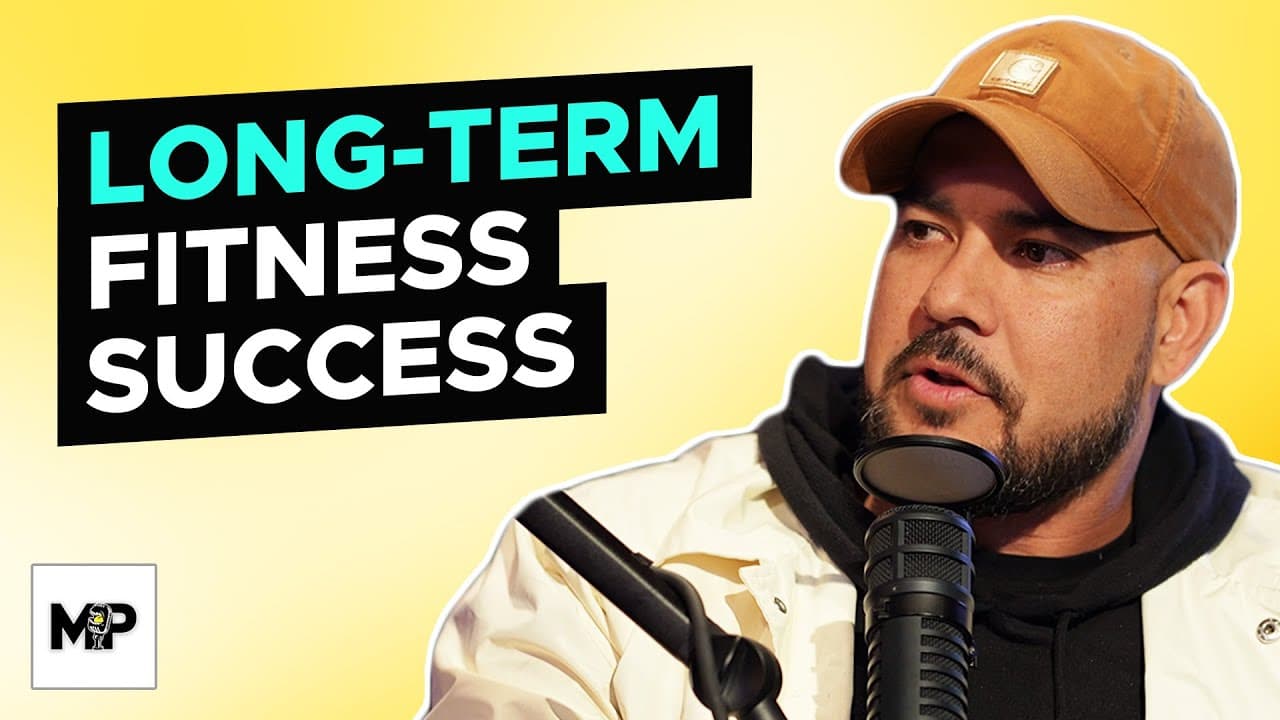
To maintain long-term fitness and health, adapt your workouts and diet to fit your lifestyle context. Modify your approach based on your mental and physical needs, such as adjusting carb intake for cognitive tasks or workout intensity for stress relief. This strategy ensures consistency and improvement regardless of life changes.
Transcript
if you want to maintain good fitness and health for the long term try this manipulate your workouts and your diet so that they fit and modify and improve your life regardless of the context of your life right what does that mean well if you found that eating a low carbohydrate diet makes you more mentally sharp well then eat that way before you tak... Read More
Key Insights
- Adapt workouts and diet to fit and improve your life context.
- Adjust carb intake based on mental or physical performance needs.
- Modify workout intensity to match life stress levels.
- Focus on consistency as the first step for beginners.
- Use exercise and diet to enhance life quality in varying situations.
- Nutrition is often harder to adapt than exercise for lifestyle changes.
- Understand body signals to adjust workout intensity based on daily factors.
- Develop a long-term relationship with exercise and diet for consistent improvement.
Install to Summarize YouTube Videos and Get Transcripts
Explore YouTube Video Summarizer or Get YouTube Transcript Extractor
Questions & Answers
Q: How can I maintain fitness throughout the year?
Maintaining year-round fitness involves adapting your workouts and diet to suit your lifestyle context. This means modifying your approach based on mental and physical needs, such as adjusting carb intake for cognitive tasks or workout intensity for stress relief. The key is to remain flexible and consistent, ensuring that your fitness routine enhances your life regardless of changes.
Q: What is the best strategy for long-term fitness?
The best strategy for long-term fitness is to tailor your workouts and diet to fit your life context. This involves adjusting your approach based on your mental and physical needs, like eating carbs for cognitive tasks or modifying workout intensity for stress relief. This adaptable strategy helps ensure consistency and improvement, making fitness a sustainable part of your lifestyle.
Q: How should I adjust my diet for mental sharpness?
To enhance mental sharpness, consider adjusting your carb intake based on your needs. If you find that a low-carb diet improves your mental acuity, maintain this approach during tasks that require cognitive skills. Conversely, if higher carb intake boosts your performance, adjust accordingly before engaging in mentally demanding activities.
Q: When should I modify my workout intensity?
Modify your workout intensity based on your stress levels and overall life context. If you're experiencing high stress or fatigue, reduce workout intensity to prevent additional strain. Conversely, when you're feeling energized and less stressed, you can increase intensity to challenge your body and improve fitness.
Q: Is nutrition harder to adjust than exercise?
Yes, nutrition is often more challenging to adjust than exercise because it is deeply embedded in daily life and social interactions. Changes in diet can affect your routine with family and coworkers, making it more complex to adapt. Starting with exercise adjustments is often more manageable for those new to fitness.
Q: How can I use exercise and diet to improve life quality?
Use exercise and diet as tools to enhance your life quality by adapting them to your current needs. This means sometimes being strict and focused, while other times using them for relaxation and social enjoyment. Developing a flexible, long-term relationship with fitness and nutrition ensures that they consistently contribute to your well-being.
Q: Why is consistency important for beginners in fitness?
Consistency is crucial for beginners because it establishes a foundation for long-term habits. By consistently engaging in fitness activities, beginners can gradually build strength, endurance, and confidence. This steady approach helps prevent burnout and ensures that fitness becomes an integral, sustainable part of their lifestyle.
Q: How can I develop a long-term relationship with fitness?
To develop a long-term relationship with fitness, focus on adaptability and consistency. Tailor your workouts and diet to fit your life context, ensuring they enhance your well-being regardless of changes. Embrace flexibility in your approach, using fitness as a tool for both physical improvement and life enjoyment, fostering a sustainable commitment.
Summary & Key Takeaways
-
To maintain fitness and health long-term, tailor your workouts and diet to fit your life context. This means adjusting your approach based on mental and physical needs, such as eating carbs for cognitive tasks or altering workout intensity for stress relief. This strategy helps ensure consistency and improvement regardless of life changes.
-
Consistency is key for beginners, while experienced individuals should aim to adapt their fitness routines to their current life context. Nutrition is often more challenging to adjust than exercise, as it is deeply embedded in daily life.
-
Use exercise and diet as tools to enhance your life quality. This means sometimes being strict and focused, while other times using them for relaxation and enjoyment. Developing a flexible, long-term relationship with fitness and nutrition ensures consistent improvement.
Read in Other Languages (beta)
Share This Summary 📚
Summarize YouTube Videos and Get Video Transcripts with 1-Click
Try YouTube Summary with ChatGPT & Claude or YouTube Transcript Generator
Explore More Summaries from Mind Pump Show 📚


Summarize YouTube Videos and Get Video Transcripts with 1-Click
Try YouTube Summary with ChatGPT & Claude or YouTube Transcript Generator