The case for hunting animals | Paul Rosolie and Lex Fridman
TL;DR
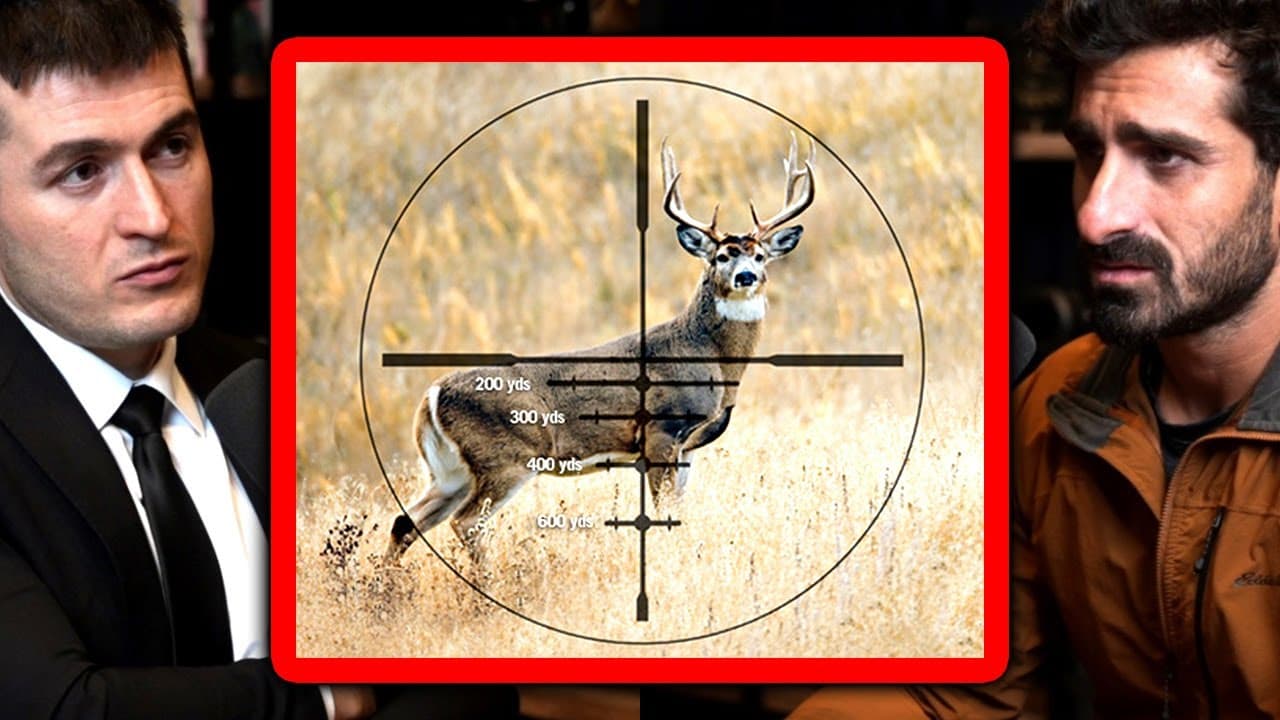
Hunting and poaching are two distinct practices, where hunting can contribute to wildlife conservation through responsible management, while poaching poses a threat to endangered species for profit.
Transcript
what's your view on Hunting um so you really hate poachers I really hate poachers how do they operate who are they what are they up to what do they do poachers to me are the people that are going in and annihilating Wildlife for profit without any you know the people that are going in and and machine gunning an elephant to take its tusks yeah the p... Read More
Key Insights
- 💍 Poachers pose a significant threat to endangered wildlife and ecosystems, engaging in reckless and illegal practices.
- 🤨 Responsible hunting can support wildlife conservation efforts by managing non-endangered species and raising funds for protection and preservation initiatives.
- 😅 Hunting provides a more intimate connection with nature and the food we eat, fostering a deeper appreciation for the natural world.
- 🍉 Local communities dependent on wildlife resources are more likely to engage in conservation efforts, ensuring the long-term survival of species and ecosystems.
- 😋 Factory farming and the disconnection from the sources of our food have led to a loss of appreciation for the environment and wildlife.
- ⚖️ Balancing ethical concerns with sustainable hunting practices can help maintain ecological balance and promote the well-being of wild animals.
- 🪐 Protecting wild animals and ecosystems is essential for future generations, as it ensures the preservation of biodiversity and maintaining a healthy planet.
Install to Summarize YouTube Videos and Get Transcripts
Explore YouTube Video Summarizer or Get YouTube Transcript Extractor
Questions & Answers
Q: What is the difference between a poacher and a hunter?
A poacher engages in reckless killing and illegal market trading of animal parts, while a hunter is someone who practices responsible hunting as a form of conservation.
Q: How do hunting reserves use funds from hunting to aid in conservation efforts?
Hunting reserves target non-endangered species, and the revenue generated from hunting permits is used to protect and preserve endangered species, maintain habitats, and fund anti-poaching initiatives.
Q: Is hunting considered ethical and why?
Hunting can be ethical when it is carried out responsibly and targets non-endangered species. It provides a deeper connection with nature and the food we consume, promoting sustainability and appreciation for ecosystems.
Q: How does hunting contribute to the protection of wild animals and ecosystems?
When local communities rely on wildlife for sustenance and livelihoods, they have a vested interest in protecting animal populations and habitats, leading to increased efforts in conservation and sustainable management.
Summary & Key Takeaways
-
Poachers are individuals who indiscriminately kill wildlife for profit, such as elephants for their tusks or rhinos for their horns.
-
Responsible hunting, which occurs in certain reserves, targets non-endangered species to maintain ecological balance and raise funds for conservation efforts.
-
Hunting and fishing can provide a more ethical and intimate connection with nature and food sources, fostering a deeper appreciation of the natural world.
Read in Other Languages (beta)
Share This Summary 📚
Summarize YouTube Videos and Get Video Transcripts with 1-Click
Try YouTube Summary with ChatGPT & Claude or YouTube Transcript Generator
Explore More Summaries from Lex Clips 📚



Summarize YouTube Videos and Get Video Transcripts with 1-Click
Try YouTube Summary with ChatGPT & Claude or YouTube Transcript Generator