The Vision of Jeffrey Sachs

TL;DR
The speaker discusses two fundamental errors in Professor Sachs' approach to ending poverty, emphasizing the importance of economic growth and critiquing the reliance on expert plans.
Transcript
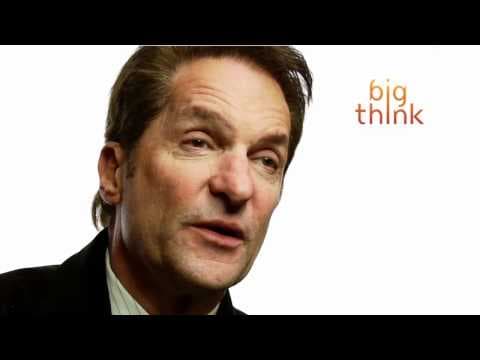
well I think uh SE sax makes two fundamental errors I think and you know I it's um people might uh might feel some qualms about us having such a a vigorous debate about this but you know my feeling is the poor deserve uh a vigorous debate just as as much as rich country taxpayers vigorously debate de domestic programs on whether they are working or... Read More
Key Insights
- 🤑 Spending more money alone does not guarantee a solution to poverty.
- 🌱 Expert plans may not be effective in addressing the complex issues associated with poverty.
- ❤️🩹 Tangible results should be the focus when evaluating efforts to end poverty, not just good intentions.
- 👍 Market-driven economic growth has historically proven to be an effective means of lifting people out of poverty.
- ❓ Poor individuals are resourceful and should be empowered to overcome poverty.
- 🔇 The speaker criticizes the tendency to patronize and paternalistically approach poverty alleviation efforts.
- ❓ Professor Sachs' viewpoint may not be aligned with mainstream economics.
Install to Summarize YouTube Videos and Get Transcripts
Explore YouTube Video Summarizer or Get YouTube Transcript Extractor
Questions & Answers
Q: Why does the speaker believe spending more money is not the solution to poverty?
The speaker points out that despite already spending $2.3 trillion, the problem of poverty still persists. They argue that the money does not reach the intended beneficiaries, indicating that simply increasing spending is not an effective approach.
Q: What is the speaker's objection to expert plans?
The speaker argues that expert plans are not the solution to poverty. They assert that historically, poverty has been alleviated through market-driven economic growth and the empowerment of individuals, rather than relying on top-down administrative plans devised by experts.
Q: Why does the speaker criticize the intentions of those who advocate for the poor?
The speaker believes that good intentions alone are not enough when it comes to addressing poverty. They emphasize the importance of intentions accompanied by actual results, questioning the effectiveness of the approaches advocated by individuals like Professor Sachs and Bono.
Q: How does the speaker view the role of poor people in escaping poverty?
The speaker believes that poor people are their own best resource in escaping poverty. They highlight the resourcefulness and resilience of individuals living in poverty, asserting that empowering them and fostering economic growth through free markets is the key to ending poverty.
Summary & Key Takeaways
-
The speaker argues that spending more money, as suggested by Professor Sachs, has not solved poverty in the past and questions the effectiveness of the approach.
-
They criticize the assumption that expert plans can solve poverty, highlighting the role of market-driven economic growth in lifting people out of poverty.
-
The speaker emphasizes the importance of intentions coupled with tangible results when addressing poverty.
Read in Other Languages (beta)
Share This Summary 📚
Summarize YouTube Videos and Get Video Transcripts with 1-Click
Try YouTube Summary with ChatGPT & Claude or YouTube Transcript Generator
Explore More Summaries from Big Think 📚



Summarize YouTube Videos and Get Video Transcripts with 1-Click
Try YouTube Summary with ChatGPT & Claude or YouTube Transcript Generator