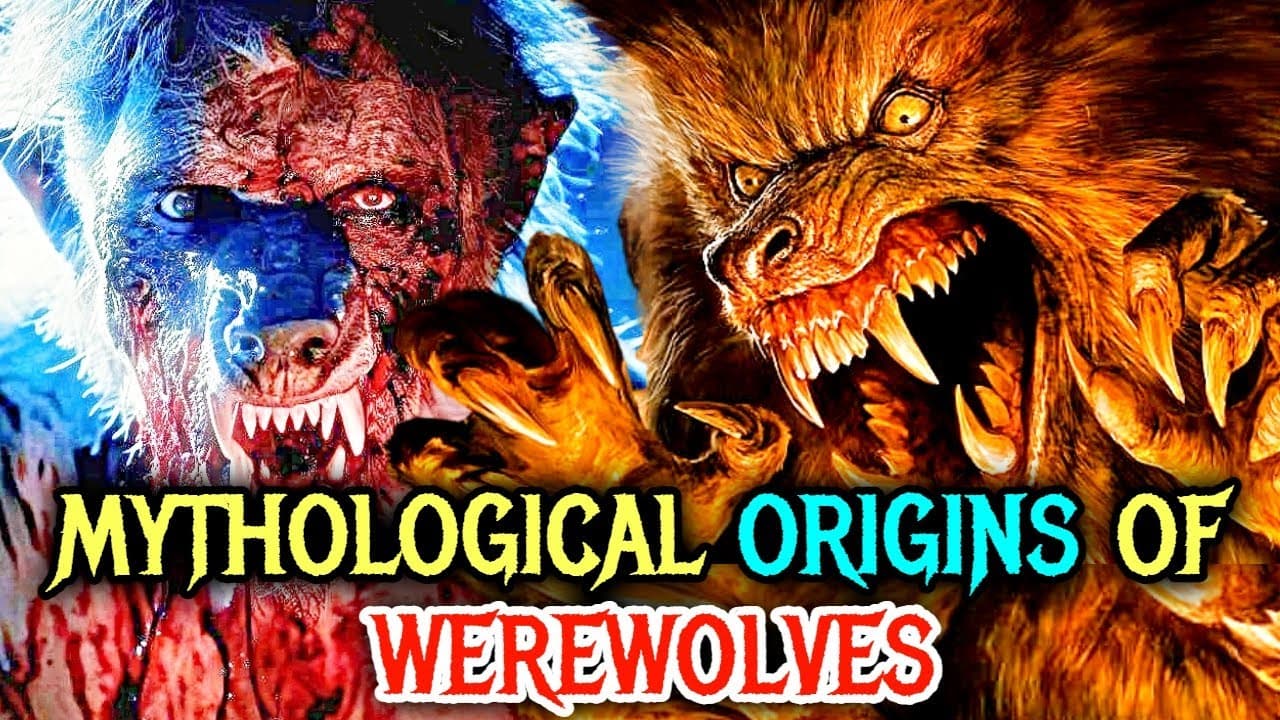
How Was The First Werewolf Made? Mythological Origins Of A Werewolf - Explored
TL;DR
This content explores the rich history, mythology, and modern interpretations of werewolves.
Transcript
today we sink our teeth into the hairy world of these mysterious creatures the werewolves sure vampires and zombies might steal the spotlight in the pop culture monster parade but let's not forget that werewolves have been howling their way through history for ages from the hair raising the wolf man to the sparkling dreamboats of Twilight and the b... Read More
Key Insights
- ❓ Werewolf lore extends back thousands of years, with stories embedded in the cultures of diverse civilizations, including the Sumerians and Greeks.
- 🤝 Medieval depictions emphasized the moral ambiguity of werewolves, portraying them as both menacing beasts and tragic figures dealing with human conflicts and societal injustices.
- ❓ Modern representations of werewolves often explore themes of identity and duality, transforming them into relatable antiheroes with deep personal struggles.
- 😷 Certain medical conditions have historically fueled the belief in werewolves, indicating how folklore can arise from real-life ailments.
- 🍻 Each lunar cycle influences the behavior and characteristics of werewolves in mythology, adding a mystical element to their lore and linking them to natural phenomena.
- ❤️🔥 Silver and fire are among the most well-known weaknesses of werewolves, emerging from ancient beliefs about purification and control.
- 😨 The rivalry between werewolves and vampires highlights ongoing folklore that reflects human fears of the unknown and the supernatural.
Install to Summarize YouTube Videos and Get Transcripts
Explore YouTube Video Summarizer or Get YouTube Transcript Extractor
Questions & Answers
Q: What are the ancient origins of werewolf legends?
The origins of werewolves can be traced back to ancient stories like the Epic of Gilgamesh, where a character fears losing a lover to shapeshifting. The Greeks also contributed with the tale of Lycaon, who was punished by Zeus for his transgressions, embodying the cyclical battle between man and beast and underscoring cultural beliefs about morality and transformation.
Q: How were werewolves perceived in medieval society?
In medieval times, werewolves weren't just tales of horror; they were often seen as reflections of human nature and societal injustices. These stories highlighted themes of calculation and vengeance, where werewolves resorted to violence to address wrongs, making them more than mere monsters, but complex figures representing the darker side of humanity.
Q: What modern interpretations of werewolves exist today?
Today, werewolves have shifted from their traditional horror roots to more nuanced characters in popular culture. In films like "Twilight" and "Underworld," they are often depicted grappling with their tumultuous transformations and showcasing both their savage instincts and relatable human struggles, appealing to audiences with themes of duality and morality.
Q: What scientific explanations can explain werewolf myths?
The concept of werewolves can be loosely tied to medical conditions like congenital hypertrichosis, causing excessive hair growth, or clinical lycanthropy, where individuals believe they can transform into wolves. These conditions show how historical sketches of transformation might have origins in misunderstood medical phenomena rather than supernatural events.
Q: What are the different types of werewolves based on the moon phases?
Each month’s full moon brings forth unique werewolf varieties. For example, January introduces Ice Wolves, immune to cold, while October's Blood Moon leads to aggressive, bloodthirsty werewolves. These classifications highlight the imaginative ties between lunar cycles and the characteristics attributed to werewolves in mythology.
Q: Why are silver bullets considered lethal to werewolves?
The association between silver and werewolves stems from historic legends like the Beast of Gévaudan, where silver was believed to have purifying properties and ties to the moon goddess. Thus, silver bullets became the standard for combating these mythical creatures, emphasizing the enduring connections between mythology, spirituality, and practical fears.
Summary & Key Takeaways
-
Werewolves have a deep-rooted mythology, with stories dating back to ancient civilizations like Babylon and Greece that range from tragic to horrific in nature.
-
Medieval tales depicted werewolves more as human-beasts struggling with moral dilemmas rather than pure evil, and they even faced accusations of witchcraft and association with demonic forces.
-
Modern portrayals of werewolves in films and literature have evolved, showcasing them as complex characters balancing their primal urges with their human identities, reflecting societal themes of duality and inner darkness.
Read in Other Languages (beta)
Share This Summary 📚
Summarize YouTube Videos and Get Video Transcripts with 1-Click
Try YouTube Summary with ChatGPT & Claude or YouTube Transcript Generator
Explore More Summaries from Marvelous Videos 📚



Summarize YouTube Videos and Get Video Transcripts with 1-Click
Try YouTube Summary with ChatGPT & Claude or YouTube Transcript Generator